
About This Book
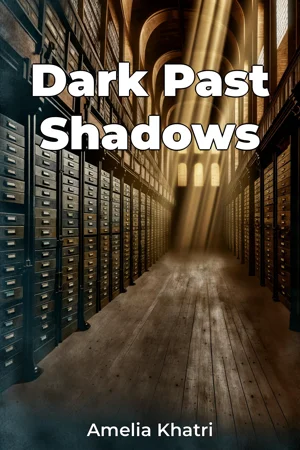
"Dark Past Shadows" confronts a fundamental question that challenges our understanding of history: How do societies collectively ignore or minimize significant historical events, and what are the consequences of these deliberate omissions? This meticulously researched work examines three pivotal aspects of historical oversight: the systematic exclusion of marginalized voices from mainstream historical narratives, the role of institutional power in shaping historical memory, and the ethical implications of recovering and confronting uncomfortable historical truths. The book demonstrates how these elements interconnect to influence our current social and political landscape. Drawing from previously unexplored archival materials, oral histories, and declassified documents spanning multiple continents, the author presents a methodical analysis of how historical narratives are constructed, maintained, and sometimes deliberately altered. The work specifically focuses on case studies from the 19th and 20th centuries, examining instances where significant historical events were minimized or excluded from official records. The central argument posits that understanding these historical blind spots is crucial for addressing contemporary social issues and preventing similar patterns of oversight in the future. Through detailed examination of primary sources and cross-cultural comparisons, the book reveals how historical omissions continue to shape current policy decisions and social attitudes. The content is structured in three main sections. The first establishes the theoretical framework for understanding historical oversight, introducing concepts from historiography and social psychology. The second section presents detailed case studies, including the suppression of indigenous histories in educational systems and the minimization of corporate involvement in social upheavals. The final section explores practical approaches for identifying and addressing historical blind spots in contemporary society. The research methodology combines traditional historical analysis with modern digital humanities techniques, utilizing data mining of historical documents and social network analysis to reveal patterns of information suppression. The author incorporates insights from sociology, psychology, and political science to provide a comprehensive understanding of how historical narratives evolve and persist. The book maintains an academic tone while remaining accessible to general readers interested in history and social justice. It employs clear language and structured arguments, supported by extensive documentation and primary source material. Each chapter includes detailed endnotes and reference materials for further investigation. This work is particularly relevant for historians, social scientists, policy makers, and educated general readers interested in understanding how historical narratives influence contemporary society. It serves as both a scholarly resource and a practical guide for identifying and addressing historical oversights in various contexts. The book acknowledges certain limitations, focusing primarily on Western historical narratives while recognizing the need for similar analysis in other cultural contexts. It addresses ongoing debates about historical objectivity and the role of perspective in historical interpretation, offering balanced viewpoints while maintaining clear ethical positions on issues of justice and representation. Practical applications include frameworks for educational curriculum development, policy analysis, and institutional reform. The work provides tools for readers to examine historical narratives critically and identify potential blind spots in their own understanding of history. This examination of overlooked historical perspectives contributes to current discussions about historical responsibility, social justice, and institutional reform. By providing concrete examples and analytical tools, it enables readers to engage more effectively with historical information and apply these insights to contemporary challenges.
"Dark Past Shadows" confronts a fundamental question that challenges our understanding of history: How do societies collectively ignore or minimize significant historical events, and what are the consequences of these deliberate omissions? This meticulously researched work examines three pivotal aspects of historical oversight: the systematic exclusion of marginalized voices from mainstream historical narratives, the role of institutional power in shaping historical memory, and the ethical implications of recovering and confronting uncomfortable historical truths. The book demonstrates how these elements interconnect to influence our current social and political landscape. Drawing from previously unexplored archival materials, oral histories, and declassified documents spanning multiple continents, the author presents a methodical analysis of how historical narratives are constructed, maintained, and sometimes deliberately altered. The work specifically focuses on case studies from the 19th and 20th centuries, examining instances where significant historical events were minimized or excluded from official records. The central argument posits that understanding these historical blind spots is crucial for addressing contemporary social issues and preventing similar patterns of oversight in the future. Through detailed examination of primary sources and cross-cultural comparisons, the book reveals how historical omissions continue to shape current policy decisions and social attitudes. The content is structured in three main sections. The first establishes the theoretical framework for understanding historical oversight, introducing concepts from historiography and social psychology. The second section presents detailed case studies, including the suppression of indigenous histories in educational systems and the minimization of corporate involvement in social upheavals. The final section explores practical approaches for identifying and addressing historical blind spots in contemporary society. The research methodology combines traditional historical analysis with modern digital humanities techniques, utilizing data mining of historical documents and social network analysis to reveal patterns of information suppression. The author incorporates insights from sociology, psychology, and political science to provide a comprehensive understanding of how historical narratives evolve and persist. The book maintains an academic tone while remaining accessible to general readers interested in history and social justice. It employs clear language and structured arguments, supported by extensive documentation and primary source material. Each chapter includes detailed endnotes and reference materials for further investigation. This work is particularly relevant for historians, social scientists, policy makers, and educated general readers interested in understanding how historical narratives influence contemporary society. It serves as both a scholarly resource and a practical guide for identifying and addressing historical oversights in various contexts. The book acknowledges certain limitations, focusing primarily on Western historical narratives while recognizing the need for similar analysis in other cultural contexts. It addresses ongoing debates about historical objectivity and the role of perspective in historical interpretation, offering balanced viewpoints while maintaining clear ethical positions on issues of justice and representation. Practical applications include frameworks for educational curriculum development, policy analysis, and institutional reform. The work provides tools for readers to examine historical narratives critically and identify potential blind spots in their own understanding of history. This examination of overlooked historical perspectives contributes to current discussions about historical responsibility, social justice, and institutional reform. By providing concrete examples and analytical tools, it enables readers to engage more effectively with historical information and apply these insights to contemporary challenges.
"Dark Past Shadows" delves into the complex phenomenon of historical oversight, examining how societies deliberately ignore or minimize significant historical events and the far-reaching consequences of these omissions. Through a skillful blend of archival research, oral histories, and declassified documents, the book illuminates the systematic exclusion of marginalized voices and the powerful role of institutions in shaping historical memory. The work stands out for its innovative approach to historical analysis, combining traditional historiography with modern digital humanities techniques. Drawing from previously unexplored materials across multiple continents, it presents compelling case studies from the 19th and 20th centuries, including the suppression of indigenous histories in educational systems and the minimization of corporate involvement in social upheavals. These examples demonstrate how historical blind spots continue to influence contemporary policy decisions and social attitudes. Organized in three comprehensive sections, the book progresses from theoretical frameworks to detailed case studies, culminating in practical approaches for addressing historical oversights. What makes this work particularly valuable is its accessibility to both academic and general readers, offering clear language and structured arguments while maintaining scholarly rigor. By providing concrete tools for identifying and addressing historical blind spots, it empowers readers to engage more critically with historical narratives and apply these insights to contemporary social justice challenges.
Book Details
ISBN
9788233941833
Publisher
Publifye AS
Your Licenses
You don't own any licenses for this book
Purchase a license below to unlock this book and download the EPUB.
Purchase License
Select a tier to unlock this book
Need bulk licensing?
Contact us for enterprise agreements.