
About This Book
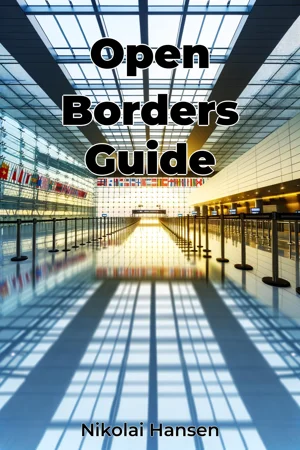
"Open Borders Guide" addresses the pressing question facing many individuals and businesses today: Which nations offer viable pathways for relocation and investment in an increasingly interconnected world? This comprehensive resource examines immigration policies, economic opportunities, and cultural integration across multiple countries, providing readers with practical insights for international mobility. The book methodically analyzes three core components of international relocation: immigration frameworks, economic landscape, and social integration. Each section combines policy analysis, statistical data, and real-world case studies to offer readers a complete understanding of their options and potential challenges. Drawing from immigration data, economic indicators, and policy documents from over 30 countries, the guide presents comparative analyses of nations with historically welcoming immigration policies. It traces the evolution of these policies from post-World War II to present day, examining how global events and economic needs have shaped current regulations. The central thesis argues that successful international relocation requires a balanced approach combining legal compliance, economic opportunity, and cultural adaptation. This framework is supported by extensive research from immigration lawyers, economic analysts, and cultural anthropologists who contribute expertise throughout the book. The content progresses through three major sections. The first examines immigration policies, focusing on countries with points-based systems, entrepreneur visas, and investment-based residency programs. The second section analyzes economic sectors showing growth potential for foreign investment, including technology hubs, renewable energy markets, and emerging service industries. The final section addresses cultural integration, covering language acquisition, social norms, and community building. Research methodology includes analysis of government immigration data, economic reports from international organizations, and interviews with successful immigrants and business owners. The book incorporates case studies from diverse regions, including established destinations like Canada and New Zealand, as well as emerging options in Southeast Asia and Latin America. The guide connects political science, economics, and cultural studies, demonstrating how these disciplines intersect in immigration policy and integration outcomes. It maintains an objective, data-driven approach while remaining accessible to readers without specialized knowledge in these fields. Written in a clear, instructional style, the book serves as both a reference guide and practical manual. It targets professionals seeking career opportunities abroad, entrepreneurs looking to expand internationally, retirees considering overseas living, and policy makers interested in immigration frameworks. Each chapter includes specific action items, checklists, and resource listings. Readers will find detailed information on visa application processes, business registration procedures, housing regulations, healthcare systems, and education options in various countries. The guide acknowledges ongoing debates about immigration policies and their economic impacts, presenting multiple viewpoints supported by empirical evidence. It addresses concerns about labor market effects, social services utilization, and cultural preservation while maintaining a balanced perspective. Limitations focus the scope primarily on countries with established legal frameworks for immigration and foreign investment. The book does not extensively cover temporary or seasonal migration patterns, focusing instead on long-term relocation and permanent residency options. The content remains relevant to current global mobility trends while providing foundational knowledge that readers can apply as policies evolve. By combining practical guidance with policy analysis, "Open Borders Guide" serves as an essential resource for anyone considering international relocation or investment.
"Open Borders Guide" addresses the pressing question facing many individuals and businesses today: Which nations offer viable pathways for relocation and investment in an increasingly interconnected world? This comprehensive resource examines immigration policies, economic opportunities, and cultural integration across multiple countries, providing readers with practical insights for international mobility. The book methodically analyzes three core components of international relocation: immigration frameworks, economic landscape, and social integration. Each section combines policy analysis, statistical data, and real-world case studies to offer readers a complete understanding of their options and potential challenges. Drawing from immigration data, economic indicators, and policy documents from over 30 countries, the guide presents comparative analyses of nations with historically welcoming immigration policies. It traces the evolution of these policies from post-World War II to present day, examining how global events and economic needs have shaped current regulations. The central thesis argues that successful international relocation requires a balanced approach combining legal compliance, economic opportunity, and cultural adaptation. This framework is supported by extensive research from immigration lawyers, economic analysts, and cultural anthropologists who contribute expertise throughout the book. The content progresses through three major sections. The first examines immigration policies, focusing on countries with points-based systems, entrepreneur visas, and investment-based residency programs. The second section analyzes economic sectors showing growth potential for foreign investment, including technology hubs, renewable energy markets, and emerging service industries. The final section addresses cultural integration, covering language acquisition, social norms, and community building. Research methodology includes analysis of government immigration data, economic reports from international organizations, and interviews with successful immigrants and business owners. The book incorporates case studies from diverse regions, including established destinations like Canada and New Zealand, as well as emerging options in Southeast Asia and Latin America. The guide connects political science, economics, and cultural studies, demonstrating how these disciplines intersect in immigration policy and integration outcomes. It maintains an objective, data-driven approach while remaining accessible to readers without specialized knowledge in these fields. Written in a clear, instructional style, the book serves as both a reference guide and practical manual. It targets professionals seeking career opportunities abroad, entrepreneurs looking to expand internationally, retirees considering overseas living, and policy makers interested in immigration frameworks. Each chapter includes specific action items, checklists, and resource listings. Readers will find detailed information on visa application processes, business registration procedures, housing regulations, healthcare systems, and education options in various countries. The guide acknowledges ongoing debates about immigration policies and their economic impacts, presenting multiple viewpoints supported by empirical evidence. It addresses concerns about labor market effects, social services utilization, and cultural preservation while maintaining a balanced perspective. Limitations focus the scope primarily on countries with established legal frameworks for immigration and foreign investment. The book does not extensively cover temporary or seasonal migration patterns, focusing instead on long-term relocation and permanent residency options. The content remains relevant to current global mobility trends while providing foundational knowledge that readers can apply as policies evolve. By combining practical guidance with policy analysis, "Open Borders Guide" serves as an essential resource for anyone considering international relocation or investment.
"Open Borders Guide" presents a comprehensive exploration of international relocation opportunities, examining immigration policies, economic landscapes, and cultural integration across more than 30 countries. This meticulously researched guide stands out for its balanced approach to global mobility, combining practical insights with detailed analysis of immigration frameworks and investment opportunities worldwide. The book's three-part structure progressively guides readers through the complexities of international relocation, beginning with an in-depth examination of immigration policies and points-based systems. It then delves into economic opportunities across various sectors, including technology hubs and renewable energy markets, before addressing the crucial aspects of cultural integration and community building. Notable features include real-world case studies from diverse regions, ranging from established destinations like Canada to emerging options in Southeast Asia, providing readers with concrete examples of successful international transitions. What makes this guide particularly valuable is its practical, action-oriented approach, incorporating checklists, resource listings, and specific guidance for visa applications and business registration procedures. The content draws from extensive research by immigration lawyers, economic analysts, and cultural anthropologists, presenting complex information in an accessible format suitable for professionals, entrepreneurs, and retirees considering international relocation. While maintaining objectivity, the guide addresses contemporary debates about immigration policies and their economic impacts, offering evidence-based insights that readers can apply to their own mobility decisions.
Book Details
ISBN
9788233941758
Publisher
Publifye AS
Your Licenses
You don't own any licenses for this book
Purchase a license below to unlock this book and download the EPUB.
Purchase License
Select a tier to unlock this book
Need bulk licensing?
Contact us for enterprise agreements.