
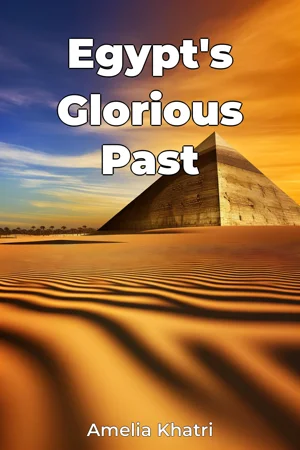
About This Book
"Egypt's Glorious Past" examines how a civilization that emerged along the Nile River banks became one of history's most influential societies, laying the groundwork for numerous aspects of modern culture, from architecture to administrative systems. The book presents three core themes: the evolution of Egyptian political structures through thirty-one dynasties, the development of monumental architecture as expressions of power and religious belief, and the integration of spiritual practices into daily life. These interconnected elements reveal how ancient Egyptian society maintained stability and cultural continuity for over three millennia. Beginning with the Early Dynastic Period (c. 3100 BCE), the text chronicles Egypt's transformation from separate kingdoms into a unified state. Through archaeological evidence, contemporary documents, and hieroglyphic records, readers discover how pharaohs established administrative systems that balanced religious authority with practical governance. The book demonstrates how these governmental structures influenced later civilizations, including Greece and Rome. A significant portion focuses on Egypt's architectural achievements, particularly the engineering and organizational skills required to build the pyramids, temples, and monuments. The text analyzes construction techniques, resource management, and the mathematical principles employed, providing insights into Egyptian technological capabilities. Detailed examinations of sites like Giza, Luxor, and Abu Simbel reveal how these structures served multiple purposes: royal tombs, religious centers, and displays of national power. The book's central argument posits that ancient Egypt's success stemmed from its ability to integrate religious beliefs, political structures, and technological innovations into a cohesive societal framework. This synthesis created a cultural model that influenced civilizations across Africa, the Mediterranean, and the Near East. Supporting evidence comes from multiple sources: archaeological findings, translated texts, astronomical alignments in architecture, and chemical analysis of artifacts. The research incorporates recent technological studies, including ground-penetrating radar surveys and digital reconstructions of ancient sites. The work connects to multiple disciplines, including astronomy (Egyptian calendar systems), chemistry (mummification processes), and mathematics (architectural design principles). These connections demonstrate how Egyptian innovations contributed to the development of various scientific fields. The book's distinctive approach lies in its integration of traditional historical narrative with current archaeological data, providing readers with both established scholarship and recent discoveries. The writing maintains an academic foundation while remaining accessible to general readers interested in ancient history. Written for both history enthusiasts and students of civilization, the text assumes basic historical knowledge but provides context for more complex concepts. It addresses ongoing debates in Egyptology, including chronology disputes and interpretations of hieroglyphic texts. The scope encompasses the pre-dynastic period through the Late Period, focusing primarily on the Old, Middle, and New Kingdoms. While the book acknowledges Greek and Roman influences on Egypt, it maintains focus on indigenous Egyptian developments and innovations. Readers will gain practical understanding of how Egyptian achievements influence modern architecture, art, and organizational systems. The book includes discussions of contemporary archaeological methods, allowing readers to understand how historians reconstruct ancient events and societies. The work addresses scholarly debates regarding pyramid construction techniques, the extent of Egyptian scientific knowledge, and the nature of their writing system's development. These discussions demonstrate how archaeological interpretation continues to evolve with new evidence and analytical methods. Through careful examination of primary sources and archaeological evidence, "Egypt's Glorious Past" provides readers with a comprehensive understanding of how this ancient civilization's achievements continue to influence contemporary society.
"Egypt's Glorious Past" examines how a civilization that emerged along the Nile River banks became one of history's most influential societies, laying the groundwork for numerous aspects of modern culture, from architecture to administrative systems. The book presents three core themes: the evolution of Egyptian political structures through thirty-one dynasties, the development of monumental architecture as expressions of power and religious belief, and the integration of spiritual practices into daily life. These interconnected elements reveal how ancient Egyptian society maintained stability and cultural continuity for over three millennia. Beginning with the Early Dynastic Period (c. 3100 BCE), the text chronicles Egypt's transformation from separate kingdoms into a unified state. Through archaeological evidence, contemporary documents, and hieroglyphic records, readers discover how pharaohs established administrative systems that balanced religious authority with practical governance. The book demonstrates how these governmental structures influenced later civilizations, including Greece and Rome. A significant portion focuses on Egypt's architectural achievements, particularly the engineering and organizational skills required to build the pyramids, temples, and monuments. The text analyzes construction techniques, resource management, and the mathematical principles employed, providing insights into Egyptian technological capabilities. Detailed examinations of sites like Giza, Luxor, and Abu Simbel reveal how these structures served multiple purposes: royal tombs, religious centers, and displays of national power. The book's central argument posits that ancient Egypt's success stemmed from its ability to integrate religious beliefs, political structures, and technological innovations into a cohesive societal framework. This synthesis created a cultural model that influenced civilizations across Africa, the Mediterranean, and the Near East. Supporting evidence comes from multiple sources: archaeological findings, translated texts, astronomical alignments in architecture, and chemical analysis of artifacts. The research incorporates recent technological studies, including ground-penetrating radar surveys and digital reconstructions of ancient sites. The work connects to multiple disciplines, including astronomy (Egyptian calendar systems), chemistry (mummification processes), and mathematics (architectural design principles). These connections demonstrate how Egyptian innovations contributed to the development of various scientific fields. The book's distinctive approach lies in its integration of traditional historical narrative with current archaeological data, providing readers with both established scholarship and recent discoveries. The writing maintains an academic foundation while remaining accessible to general readers interested in ancient history. Written for both history enthusiasts and students of civilization, the text assumes basic historical knowledge but provides context for more complex concepts. It addresses ongoing debates in Egyptology, including chronology disputes and interpretations of hieroglyphic texts. The scope encompasses the pre-dynastic period through the Late Period, focusing primarily on the Old, Middle, and New Kingdoms. While the book acknowledges Greek and Roman influences on Egypt, it maintains focus on indigenous Egyptian developments and innovations. Readers will gain practical understanding of how Egyptian achievements influence modern architecture, art, and organizational systems. The book includes discussions of contemporary archaeological methods, allowing readers to understand how historians reconstruct ancient events and societies. The work addresses scholarly debates regarding pyramid construction techniques, the extent of Egyptian scientific knowledge, and the nature of their writing system's development. These discussions demonstrate how archaeological interpretation continues to evolve with new evidence and analytical methods. Through careful examination of primary sources and archaeological evidence, "Egypt's Glorious Past" provides readers with a comprehensive understanding of how this ancient civilization's achievements continue to influence contemporary society.
"Egypt's Glorious Past" offers a captivating exploration of how the Nile River civilization became one of history's most influential societies, weaving together the complex tapestry of ancient Egyptian culture through three fundamental themes: political evolution across thirty-one dynasties, monumental architectural achievements, and the integration of spiritual practices into daily life. The book demonstrates how Egypt maintained remarkable stability and cultural continuity for over three millennia, establishing systems that would influence civilizations for generations to come. Through a masterful combination of archaeological evidence, contemporary documents, and hieroglyphic records, the text reveals how pharaohs developed sophisticated administrative systems that balanced religious authority with practical governance. Particular attention is given to architectural marvels like the pyramids, temples, and monuments, with detailed analysis of construction techniques and the mathematical principles that made these achievements possible. The examination of sites such as Giza, Luxor, and Abu Simbel illustrates how these structures served multiple purposes, from royal tombs to centers of religious and political power. The book's distinctive approach lies in its integration of traditional historical narrative with cutting-edge archaeological data, including insights from ground-penetrating radar surveys and digital reconstructions. By connecting ancient Egyptian innovations to multiple disciplines, including astronomy, chemistry, and mathematics, readers gain a comprehensive understanding of how this remarkable civilization's achievements continue to influence modern society. The text maintains scholarly rigor while remaining accessible to both history enthusiasts and students, making complex archaeological concepts understandable through clear, engaging prose.
Book Details
ISBN
9788233941666
Publisher
Publifye AS
Your Licenses
You don't own any licenses for this book
Purchase a license below to unlock this book and download the EPUB.
Purchase License
Select a tier to unlock this book
Need bulk licensing?
Contact us for enterprise agreements.