
About This Book
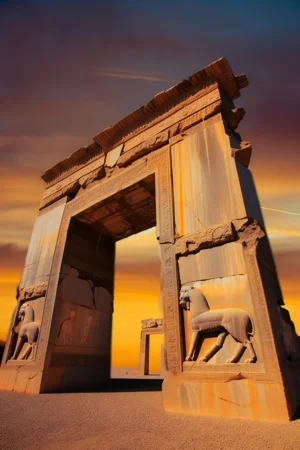
"Persia's Royal Legacy" examines how successive Persian empires shaped global civilization through sophisticated governance systems, monumental architecture, and enduring cultural achievements that continue to influence modern societies. The book presents a detailed analysis of three major Persian dynasties—the Achaemenids, Parthians, and Sassanids—spanning nearly 1,200 years of rule. Through careful examination of archaeological evidence, contemporary accounts, and historical records, readers discover how these empires developed administrative systems that effectively governed vast territories from India to Egypt. Central to the narrative is the demonstration of how Persian imperial systems created lasting models for subsequent empires. The text analyzes the Achaemenid innovation of satrapal governance, which balanced central authority with regional autonomy, and traces its adaptation by later empires, including Alexander's successors. The architectural section reveals how Persian engineers developed sophisticated techniques for water management, palace construction, and urban planning, evidenced in sites like Persepolis and Ctesiphon. The book is structured chronologically, beginning with the rise of Cyrus the Great and the establishment of the first Persian Empire. Each section examines key developments in administrative organization, technological advancement, and cultural achievement. Particular attention is paid to the Persian contribution to literature, including the development of bureaucratic record-keeping, religious texts, and epic poetry. Supporting evidence comes from multiple sources: archaeological excavations, preserved administrative documents, architectural remains, and accounts from both Persian and foreign observers. The research incorporates recent scholarly findings and newly translated primary sources that provide fresh insights into Persian imperial operations. The work connects Persian studies with multiple disciplines, including political science, architectural history, and religious studies. It demonstrates how Persian innovations in governmental organization influenced later Islamic caliphates and European monarchies, while their architectural principles affected building practices across Central and South Asia. Written in an academic yet accessible style, the book employs clear explanations of complex systems and includes detailed maps, architectural reconstructions, and translations of key documents. Each chapter builds upon previous information to create a comprehensive understanding of Persian imperial development. The target audience includes students of world history, political science professionals, and readers interested in understanding the foundations of modern governmental systems. The book addresses ongoing scholarly debates about the nature of ancient imperialism and the extent of Persian influence on subsequent civilizations. While focused primarily on the period from 550 BCE to 651 CE, the work examines how Persian imperial practices influenced later societies and continue to affect modern governance systems. It challenges traditional Western-centric historical narratives by demonstrating the sophisticated nature of Persian administrative and cultural achievements. The book concludes by analyzing how Persian imperial innovations in areas such as taxation, postal systems, and bureaucratic organization established precedents that influenced governmental development across Eurasia. It provides readers with tools to understand how ancient Persian solutions to imperial administration continue to shape contemporary approaches to governance and cultural administration. This comprehensive examination of Persian imperial systems offers valuable insights for modern policy makers, administrators, and students of organizational systems, while contributing to ongoing discussions about the nature of effective governance and cultural exchange in multi-ethnic empires.
"Persia's Royal Legacy" examines how successive Persian empires shaped global civilization through sophisticated governance systems, monumental architecture, and enduring cultural achievements that continue to influence modern societies. The book presents a detailed analysis of three major Persian dynasties—the Achaemenids, Parthians, and Sassanids—spanning nearly 1,200 years of rule. Through careful examination of archaeological evidence, contemporary accounts, and historical records, readers discover how these empires developed administrative systems that effectively governed vast territories from India to Egypt. Central to the narrative is the demonstration of how Persian imperial systems created lasting models for subsequent empires. The text analyzes the Achaemenid innovation of satrapal governance, which balanced central authority with regional autonomy, and traces its adaptation by later empires, including Alexander's successors. The architectural section reveals how Persian engineers developed sophisticated techniques for water management, palace construction, and urban planning, evidenced in sites like Persepolis and Ctesiphon. The book is structured chronologically, beginning with the rise of Cyrus the Great and the establishment of the first Persian Empire. Each section examines key developments in administrative organization, technological advancement, and cultural achievement. Particular attention is paid to the Persian contribution to literature, including the development of bureaucratic record-keeping, religious texts, and epic poetry. Supporting evidence comes from multiple sources: archaeological excavations, preserved administrative documents, architectural remains, and accounts from both Persian and foreign observers. The research incorporates recent scholarly findings and newly translated primary sources that provide fresh insights into Persian imperial operations. The work connects Persian studies with multiple disciplines, including political science, architectural history, and religious studies. It demonstrates how Persian innovations in governmental organization influenced later Islamic caliphates and European monarchies, while their architectural principles affected building practices across Central and South Asia. Written in an academic yet accessible style, the book employs clear explanations of complex systems and includes detailed maps, architectural reconstructions, and translations of key documents. Each chapter builds upon previous information to create a comprehensive understanding of Persian imperial development. The target audience includes students of world history, political science professionals, and readers interested in understanding the foundations of modern governmental systems. The book addresses ongoing scholarly debates about the nature of ancient imperialism and the extent of Persian influence on subsequent civilizations. While focused primarily on the period from 550 BCE to 651 CE, the work examines how Persian imperial practices influenced later societies and continue to affect modern governance systems. It challenges traditional Western-centric historical narratives by demonstrating the sophisticated nature of Persian administrative and cultural achievements. The book concludes by analyzing how Persian imperial innovations in areas such as taxation, postal systems, and bureaucratic organization established precedents that influenced governmental development across Eurasia. It provides readers with tools to understand how ancient Persian solutions to imperial administration continue to shape contemporary approaches to governance and cultural administration. This comprehensive examination of Persian imperial systems offers valuable insights for modern policy makers, administrators, and students of organizational systems, while contributing to ongoing discussions about the nature of effective governance and cultural exchange in multi-ethnic empires.
"Persia's Royal Legacy" offers a compelling exploration of how three major Persian dynasties—the Achaemenids, Parthians, and Sassanids—fundamentally shaped world civilization through their sophisticated approaches to governance, architecture, and cultural development. Spanning nearly 1,200 years of history, the book reveals how these empires successfully managed vast territories from India to Egypt through innovative administrative systems, particularly the Achaemenid model of satrapal governance, which expertly balanced central authority with regional autonomy. The narrative progresses chronologically from the rise of Cyrus the Great, examining how Persian ingenuity manifested in various spheres of imperial administration. Readers discover how Persian engineers revolutionized water management and urban planning, evidenced in magnificent sites like Persepolis and Ctesiphon. The empire's influence extended beyond physical achievements to encompass lasting contributions in literature, bureaucratic record-keeping, and epic poetry, demonstrating the remarkable sophistication of Persian civilization. Through careful analysis of archaeological evidence, contemporary accounts, and historical records, the book challenges Western-centric historical perspectives by highlighting how Persian innovations in taxation, postal systems, and bureaucratic organization established precedents that influenced subsequent empires, including Islamic caliphates and European monarchies. This comprehensive examination provides valuable insights into how ancient Persian solutions to imperial administration continue to resonate in modern governance systems, making it an essential resource for students of world history and those interested in understanding the foundations of contemporary governmental structures.
Book Details
ISBN
9788233941635
Publisher
Publifye AS
Your Licenses
You don't own any licenses for this book
Purchase a license below to unlock this book and download the EPUB.
Purchase License
Select a tier to unlock this book
Need bulk licensing?
Contact us for enterprise agreements.