
About This Book
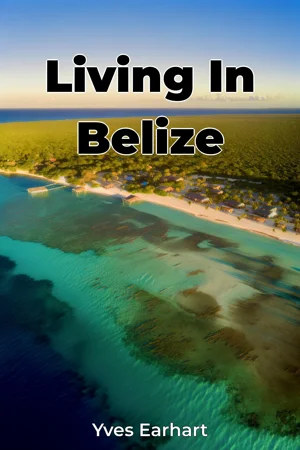
"Living in Belize" serves as a comprehensive guide for individuals considering relocation to this Central American nation, offering detailed insights into the practical, legal, and cultural aspects of establishing a new life in this Caribbean coastal country. The book examines three primary areas: Belize's Qualified Retired Persons (QRP) program and immigration policies, the evolving healthcare landscape, and detailed profiles of established expat communities along the coast. These topics form the foundation for readers to make informed decisions about their potential move to Belize. Drawing from current government data, interviews with established expatriates, and healthcare professionals, the book provides context about Belize's transformation from a British colony to an emerging destination for international residents. This background helps readers understand the nation's unique blend of Caribbean and Latin American influences, English-speaking advantage, and developing infrastructure. The central thesis demonstrates that while Belize offers viable opportunities for expatriate living, success requires careful planning, cultural adaptation, and realistic expectations. The book maintains that understanding both the benefits and challenges of Belizean life is crucial for a sustainable transition. The content progresses systematically through four major sections: initial planning and legal requirements, healthcare system navigation, community selection, and cultural integration. Each chapter includes case studies of expatriates who have successfully navigated these aspects, providing real-world context and practical advice. Research methodology combines government statistics, healthcare facility assessments, cost-of-living analyses, and extensive interviews with medical professionals, real estate agents, and long-term expatriates. The book incorporates current data on property markets, healthcare costs, and immigration requirements as of 2023. The work connects multiple disciplines, including international law, tropical medicine, and cultural anthropology. These intersections provide readers with a holistic understanding of the expatriate experience in Belize. The book distinguishes itself through its balanced approach, addressing both opportunities and challenges. Rather than merely highlighting tourist attractions, it focuses on practical aspects of daily life, including banking, insurance, and utility services. Written in a clear, instructional style, the content maintains professional authority while remaining accessible to general readers. Technical terms are explained thoroughly, and complex procedures are broken down into manageable steps. The target audience includes retirees, remote workers, and entrepreneurs considering Belize as a destination for long-term residence. The book particularly serves those seeking detailed information about establishing sustainable lives rather than just vacation homes. Following adventure and travel genre conventions, the work includes maps, photographs, and detailed descriptions of various regions, while maintaining its focus on practical information rather than tourist attractions. The scope encompasses the main expatriate regions of Belize, with particular attention to Ambergris Caye, Placencia, and Corozal. While the book acknowledges inland communities, it focuses primarily on coastal areas where most expatriates settle. Readers can apply the information through step-by-step guides for processes such as obtaining residency, selecting healthcare providers, and establishing basic services. The book includes checklists and planning timelines for various aspects of the relocation process. The work addresses ongoing debates about development, environmental preservation, and the impact of expanding expatriate communities on local populations, providing balanced perspectives from both foreign residents and Belizean nationals.
"Living in Belize" serves as a comprehensive guide for individuals considering relocation to this Central American nation, offering detailed insights into the practical, legal, and cultural aspects of establishing a new life in this Caribbean coastal country. The book examines three primary areas: Belize's Qualified Retired Persons (QRP) program and immigration policies, the evolving healthcare landscape, and detailed profiles of established expat communities along the coast. These topics form the foundation for readers to make informed decisions about their potential move to Belize. Drawing from current government data, interviews with established expatriates, and healthcare professionals, the book provides context about Belize's transformation from a British colony to an emerging destination for international residents. This background helps readers understand the nation's unique blend of Caribbean and Latin American influences, English-speaking advantage, and developing infrastructure. The central thesis demonstrates that while Belize offers viable opportunities for expatriate living, success requires careful planning, cultural adaptation, and realistic expectations. The book maintains that understanding both the benefits and challenges of Belizean life is crucial for a sustainable transition. The content progresses systematically through four major sections: initial planning and legal requirements, healthcare system navigation, community selection, and cultural integration. Each chapter includes case studies of expatriates who have successfully navigated these aspects, providing real-world context and practical advice. Research methodology combines government statistics, healthcare facility assessments, cost-of-living analyses, and extensive interviews with medical professionals, real estate agents, and long-term expatriates. The book incorporates current data on property markets, healthcare costs, and immigration requirements as of 2023. The work connects multiple disciplines, including international law, tropical medicine, and cultural anthropology. These intersections provide readers with a holistic understanding of the expatriate experience in Belize. The book distinguishes itself through its balanced approach, addressing both opportunities and challenges. Rather than merely highlighting tourist attractions, it focuses on practical aspects of daily life, including banking, insurance, and utility services. Written in a clear, instructional style, the content maintains professional authority while remaining accessible to general readers. Technical terms are explained thoroughly, and complex procedures are broken down into manageable steps. The target audience includes retirees, remote workers, and entrepreneurs considering Belize as a destination for long-term residence. The book particularly serves those seeking detailed information about establishing sustainable lives rather than just vacation homes. Following adventure and travel genre conventions, the work includes maps, photographs, and detailed descriptions of various regions, while maintaining its focus on practical information rather than tourist attractions. The scope encompasses the main expatriate regions of Belize, with particular attention to Ambergris Caye, Placencia, and Corozal. While the book acknowledges inland communities, it focuses primarily on coastal areas where most expatriates settle. Readers can apply the information through step-by-step guides for processes such as obtaining residency, selecting healthcare providers, and establishing basic services. The book includes checklists and planning timelines for various aspects of the relocation process. The work addresses ongoing debates about development, environmental preservation, and the impact of expanding expatriate communities on local populations, providing balanced perspectives from both foreign residents and Belizean nationals.
"Living in Belize" delivers a comprehensive roadmap for those contemplating a move to this English-speaking Central American paradise, focusing on the practical realities rather than tourist attractions. The book expertly navigates through crucial aspects of expatriate life, from the specialized Qualified Retired Persons (QRP) program to the intricacies of the healthcare system and the vibrant coastal communities where most expatriates choose to settle. Drawing from extensive research and real-world experiences, the guide presents a balanced view of life in Belize, acknowledging both the allure of Caribbean living and the challenges of cultural adaptation. Through systematic chapters covering legal requirements, healthcare navigation, community selection, and cultural integration, readers gain insights from successful expatriates who have already made the transition. The book's strength lies in its practical approach, offering current data on property markets, healthcare costs, and immigration requirements as of 2023. What sets this guide apart is its holistic examination of sustainable long-term living in Belize, rather than just surface-level relocation advice. The content focuses on essential aspects like banking systems, insurance options, and utility services, while thoughtfully addressing the impact of expanding expatriate communities on local populations. For retirees, remote workers, and entrepreneurs considering Belize as their new home, this guide provides the detailed information and step-by-step instructions needed to make informed decisions about their international move.
Book Details
ISBN
9788233941543
Publisher
Publifye AS
Your Licenses
You don't own any licenses for this book
Purchase a license below to unlock this book and download the EPUB.
Purchase License
Select a tier to unlock this book
Need bulk licensing?
Contact us for enterprise agreements.