
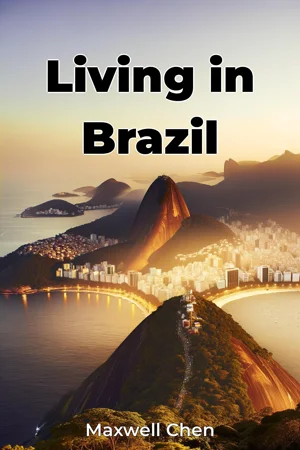
About This Book
"Living in Brazil" delivers a comprehensive examination of South America's largest nation, offering readers an in-depth exploration of how geography, history, and cultural diversity shape modern Brazilian society. From the urban landscapes of São Paulo to the indigenous communities of the Amazon, this book analyzes the intricate tapestry of Brazilian life through multiple lenses. The text is structured in three main sections, beginning with Brazil's geographical and cultural foundations. Readers learn how the country's vast natural resources, from the Amazon rainforest to offshore oil reserves, influence regional development and social structures. The book examines how these resources shape local economies and impact daily life across different regions. The second section delves into Brazil's multilingual heritage, where Portuguese serves as the primary language but exists alongside numerous indigenous languages and cultural influences from African, European, and Asian immigrants. This linguistic diversity reflects Brazil's complex social hierarchy and regional identities, which the book analyzes through demographic data and sociological research. The third section focuses on contemporary Brazilian society, examining work culture, social customs, and celebrations. Through field research and interviews with locals from various regions, the book provides insights into how Brazilians navigate professional life, maintain family traditions, and participate in cultural celebrations like Carnaval and regional festivals. The book draws from multiple academic disciplines, including anthropology, economics, and environmental studies. It incorporates recent demographic data, environmental surveys, and cultural studies to support its analysis. First-hand accounts from residents across different regions provide authentic perspectives on daily life, while academic research contextualizes these experiences within broader social patterns. This work stands out through its integration of practical knowledge with academic research. Rather than focusing solely on tourist attractions or business statistics, it examines how various aspects of Brazilian society interconnect. The book maintains an objective, analytical tone while remaining accessible to general readers interested in understanding Brazil beyond surface-level observations. Written for academics, business professionals, and individuals planning extended stays in Brazil, the text provides both theoretical understanding and practical guidance. It addresses contemporary challenges such as urban development, environmental conservation, and social inequality, while highlighting how these issues affect daily life and social interactions. The book acknowledges ongoing debates about development priorities, environmental protection, and cultural preservation. It presents multiple viewpoints on these issues, allowing readers to understand the complexity of challenges facing modern Brazil. Special attention is given to regional variations in customs, attitudes, and living standards, emphasizing how location and social class influence Brazilian experiences. Each chapter includes case studies and practical examples, enabling readers to apply insights to real-world situations. The work's scope encompasses both urban and rural perspectives, though it primarily focuses on major population centers and regions most relevant to international readers. Through careful analysis of social structures, cultural practices, and daily routines, "Living in Brazil" provides readers with tools to understand and navigate Brazilian society effectively. It serves as both a scholarly resource and a practical guide, offering valuable insights for anyone seeking to engage meaningfully with Brazil's diverse cultural landscape.
"Living in Brazil" delivers a comprehensive examination of South America's largest nation, offering readers an in-depth exploration of how geography, history, and cultural diversity shape modern Brazilian society. From the urban landscapes of São Paulo to the indigenous communities of the Amazon, this book analyzes the intricate tapestry of Brazilian life through multiple lenses. The text is structured in three main sections, beginning with Brazil's geographical and cultural foundations. Readers learn how the country's vast natural resources, from the Amazon rainforest to offshore oil reserves, influence regional development and social structures. The book examines how these resources shape local economies and impact daily life across different regions. The second section delves into Brazil's multilingual heritage, where Portuguese serves as the primary language but exists alongside numerous indigenous languages and cultural influences from African, European, and Asian immigrants. This linguistic diversity reflects Brazil's complex social hierarchy and regional identities, which the book analyzes through demographic data and sociological research. The third section focuses on contemporary Brazilian society, examining work culture, social customs, and celebrations. Through field research and interviews with locals from various regions, the book provides insights into how Brazilians navigate professional life, maintain family traditions, and participate in cultural celebrations like Carnaval and regional festivals. The book draws from multiple academic disciplines, including anthropology, economics, and environmental studies. It incorporates recent demographic data, environmental surveys, and cultural studies to support its analysis. First-hand accounts from residents across different regions provide authentic perspectives on daily life, while academic research contextualizes these experiences within broader social patterns. This work stands out through its integration of practical knowledge with academic research. Rather than focusing solely on tourist attractions or business statistics, it examines how various aspects of Brazilian society interconnect. The book maintains an objective, analytical tone while remaining accessible to general readers interested in understanding Brazil beyond surface-level observations. Written for academics, business professionals, and individuals planning extended stays in Brazil, the text provides both theoretical understanding and practical guidance. It addresses contemporary challenges such as urban development, environmental conservation, and social inequality, while highlighting how these issues affect daily life and social interactions. The book acknowledges ongoing debates about development priorities, environmental protection, and cultural preservation. It presents multiple viewpoints on these issues, allowing readers to understand the complexity of challenges facing modern Brazil. Special attention is given to regional variations in customs, attitudes, and living standards, emphasizing how location and social class influence Brazilian experiences. Each chapter includes case studies and practical examples, enabling readers to apply insights to real-world situations. The work's scope encompasses both urban and rural perspectives, though it primarily focuses on major population centers and regions most relevant to international readers. Through careful analysis of social structures, cultural practices, and daily routines, "Living in Brazil" provides readers with tools to understand and navigate Brazilian society effectively. It serves as both a scholarly resource and a practical guide, offering valuable insights for anyone seeking to engage meaningfully with Brazil's diverse cultural landscape.
"Living in Brazil" presents a meticulous exploration of South America's largest nation, examining how geography, history, and cultural diversity intersect to shape contemporary Brazilian society. This comprehensive work uniquely combines academic research with practical insights, offering readers a nuanced understanding of Brazil beyond typical tourist perspectives or business statistics. The book progresses through three main sections, beginning with Brazil's geographical and cultural foundations, where readers discover how natural resources like the Amazon rainforest influence regional development and social structures. The narrative then explores Brazil's rich multilingual heritage, where Portuguese coexists with indigenous languages and diverse cultural influences from African, European, and Asian immigrants. The final section examines contemporary Brazilian society through the lens of work culture, social customs, and celebrated traditions like Carnaval. Drawing from anthropology, economics, and environmental studies, the book weaves together recent demographic data, environmental surveys, and first-hand accounts from residents across different regions. This approach provides readers with both theoretical understanding and practical guidance for navigating Brazilian society. Whether examining urban development in São Paulo or indigenous communities in the Amazon, the text maintains an accessible tone while addressing complex issues such as social inequality, environmental conservation, and cultural preservation, making it valuable for academics, business professionals, and those planning extended stays in Brazil.
Book Details
ISBN
9788233941383
Publisher
Publifye AS
Your Licenses
You don't own any licenses for this book
Purchase a license below to unlock this book and download the EPUB.
Purchase License
Select a tier to unlock this book
Need bulk licensing?
Contact us for enterprise agreements.