
About This Book
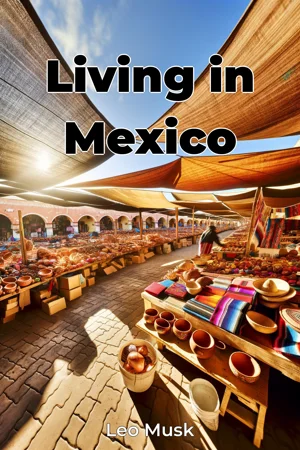
"Living in Mexico" offers readers a comprehensive examination of how ancient traditions and modern life intersect in one of North America's most culturally rich nations. From the bustling markets of Mexico City to the quiet mountain villages of Oaxaca, this detailed exploration reveals how Mexico's past continues to shape its present. The book presents three primary themes: the evolution of Mexican society from pre-Columbian civilizations to the present day, the intricate tapestry of cultural practices that define modern Mexican life, and the economic systems that sustain communities across the nation. Through careful analysis of archaeological evidence, historical documents, and contemporary sociological studies, readers gain insight into how ancient Mesoamerican civilizations influence current customs and social structures. Beginning with an examination of Mexico's indigenous heritage, the text explores how over 68 distinct indigenous languages continue to thrive alongside Spanish, creating unique regional identities and traditions. The book dedicates substantial attention to the role of traditional markets (tianguis) and agricultural practices, demonstrating how these ancient systems adapt to modern economic demands while preserving cultural significance. The central argument posits that Mexican society represents a successful fusion of indigenous, colonial, and contemporary elements, creating a dynamic culture that maintains historical connections while embracing change. This thesis is supported by extensive field research, including interviews with local communities, market vendors, and cultural preservationists. The content progresses through three major sections: historical foundations, contemporary social structures, and economic systems. Each section includes detailed case studies from different regions of Mexico, highlighting how geographic and historical factors influence local customs and practices. The book incorporates demographic data, agricultural statistics, and economic indicators to provide context for cultural observations. Interdisciplinary connections link anthropology, economics, and environmental studies, offering readers multiple perspectives on Mexican society. The text examines how climate patterns influence agricultural traditions, how family structures affect economic decisions, and how religious beliefs shape community interactions. The book employs an academic yet accessible tone, using clear language to explain complex social phenomena. It targets educators, students, travelers, and professionals seeking to understand Mexico beyond surface-level observations. Social science students will find valuable frameworks for analyzing cultural evolution, while travelers will gain deeper appreciation for the places they visit. Research methodology combines traditional academic sources with first-hand observations and interviews, providing both scholarly rigor and personal insight. The author acknowledges ongoing debates about modernization's impact on traditional practices and addresses how communities navigate these challenges. The scope encompasses both urban and rural environments across multiple regions, though it focuses primarily on central and southern Mexico where indigenous influences remain strongest. Practical applications include guidance for cultural engagement, market participation, and community interaction, making the book valuable for both academic study and practical use. This work stands out through its integration of historical analysis with contemporary observation, offering readers a nuanced understanding of how Mexico's past shapes its present. Rather than presenting a simple timeline or travel guide, it provides a deeper analysis of the forces that create and maintain Mexican cultural identity in the modern world.
"Living in Mexico" offers readers a comprehensive examination of how ancient traditions and modern life intersect in one of North America's most culturally rich nations. From the bustling markets of Mexico City to the quiet mountain villages of Oaxaca, this detailed exploration reveals how Mexico's past continues to shape its present. The book presents three primary themes: the evolution of Mexican society from pre-Columbian civilizations to the present day, the intricate tapestry of cultural practices that define modern Mexican life, and the economic systems that sustain communities across the nation. Through careful analysis of archaeological evidence, historical documents, and contemporary sociological studies, readers gain insight into how ancient Mesoamerican civilizations influence current customs and social structures. Beginning with an examination of Mexico's indigenous heritage, the text explores how over 68 distinct indigenous languages continue to thrive alongside Spanish, creating unique regional identities and traditions. The book dedicates substantial attention to the role of traditional markets (tianguis) and agricultural practices, demonstrating how these ancient systems adapt to modern economic demands while preserving cultural significance. The central argument posits that Mexican society represents a successful fusion of indigenous, colonial, and contemporary elements, creating a dynamic culture that maintains historical connections while embracing change. This thesis is supported by extensive field research, including interviews with local communities, market vendors, and cultural preservationists. The content progresses through three major sections: historical foundations, contemporary social structures, and economic systems. Each section includes detailed case studies from different regions of Mexico, highlighting how geographic and historical factors influence local customs and practices. The book incorporates demographic data, agricultural statistics, and economic indicators to provide context for cultural observations. Interdisciplinary connections link anthropology, economics, and environmental studies, offering readers multiple perspectives on Mexican society. The text examines how climate patterns influence agricultural traditions, how family structures affect economic decisions, and how religious beliefs shape community interactions. The book employs an academic yet accessible tone, using clear language to explain complex social phenomena. It targets educators, students, travelers, and professionals seeking to understand Mexico beyond surface-level observations. Social science students will find valuable frameworks for analyzing cultural evolution, while travelers will gain deeper appreciation for the places they visit. Research methodology combines traditional academic sources with first-hand observations and interviews, providing both scholarly rigor and personal insight. The author acknowledges ongoing debates about modernization's impact on traditional practices and addresses how communities navigate these challenges. The scope encompasses both urban and rural environments across multiple regions, though it focuses primarily on central and southern Mexico where indigenous influences remain strongest. Practical applications include guidance for cultural engagement, market participation, and community interaction, making the book valuable for both academic study and practical use. This work stands out through its integration of historical analysis with contemporary observation, offering readers a nuanced understanding of how Mexico's past shapes its present. Rather than presenting a simple timeline or travel guide, it provides a deeper analysis of the forces that create and maintain Mexican cultural identity in the modern world.
"Living in Mexico" presents a fascinating exploration of how ancient traditions and modern life coexist in Mexico's diverse cultural landscape. The book masterfully weaves together historical foundations, contemporary social structures, and economic systems to reveal how Mexico's rich indigenous heritage continues to influence daily life. Through detailed case studies spanning from bustling Mexico City markets to remote Oaxacan villages, readers discover how 68 distinct indigenous languages and traditional practices persist alongside modern developments, creating a unique cultural tapestry. The book's distinctive approach combines academic research with firsthand observations, making complex social phenomena accessible to a broad audience. It delves deep into the role of traditional markets (tianguis) and agricultural practices, demonstrating how these ancient systems adapt to contemporary economic demands while maintaining their cultural significance. Through careful analysis of archaeological evidence and contemporary sociological studies, the text illuminates how pre-Columbian civilizations continue to shape modern Mexican society. Progressing through three major sections, the work examines historical foundations before moving into present-day social structures and economic systems. What sets this book apart is its comprehensive examination of how Mexican society successfully fuses indigenous, colonial, and contemporary elements, creating a dynamic culture that honors its past while embracing change. The interdisciplinary approach, combining anthropology, economics, and environmental studies, provides readers with a nuanced understanding of Mexico's cultural evolution and its significance in today's world.
Book Details
ISBN
9788233940966
Publisher
Publifye AS
Your Licenses
You don't own any licenses for this book
Purchase a license below to unlock this book and download the EPUB.
Purchase License
Select a tier to unlock this book
Need bulk licensing?
Contact us for enterprise agreements.