
About This Book
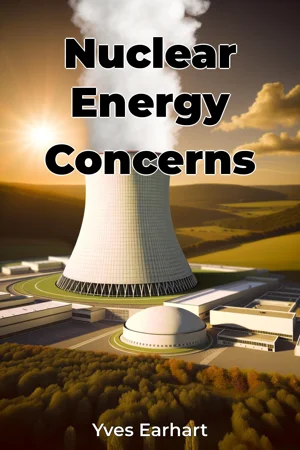
"Nuclear Energy Concerns" addresses one of the most critical questions facing modern energy policy: Can nuclear power serve as a viable solution to climate change while maintaining public safety and environmental integrity? This comprehensive examination delves into the complex interplay between scientific advancement, public policy, and societal implications of nuclear energy. The book structures its analysis around three fundamental pillars: nuclear technology and safety protocols, environmental impact assessment, and regulatory frameworks. Through detailed technical analysis and case studies, it explores how modern nuclear facilities operate, their safety mechanisms, and the multiple redundancy systems designed to prevent accidents. The text particularly emphasizes the evolution of safety measures post-Fukushima and Chernobyl, demonstrating how these events reshaped industry standards. Drawing from extensive research, including data from the International Atomic Energy Agency (IAEA) and national nuclear regulatory bodies, the book presents a balanced evaluation of nuclear power's role in reducing carbon emissions while acknowledging legitimate safety concerns. It examines radiation containment protocols, waste management strategies, and long-term storage solutions for spent nuclear fuel, providing readers with a thorough understanding of the complete nuclear fuel cycle. The regulatory section analyzes international nuclear governance frameworks, exploring how different nations approach nuclear power oversight. This includes detailed comparisons of regulatory systems in countries like France, which heavily relies on nuclear energy, and Germany, which plans to phase it out completely. The book examines how these contrasting approaches influence global energy policies and environmental goals. A significant portion focuses on emerging technologies in nuclear power, including small modular reactors (SMRs) and advanced fuel cycles. These innovations are evaluated for their potential to address traditional nuclear power concerns while providing reliable base-load electricity generation. The text maintains objectivity by presenting both supporting evidence and critical perspectives on these developments. The environmental impact analysis extends beyond immediate safety concerns to examine nuclear power's complete ecological footprint, from uranium mining to decommissioning. This section includes comparative analyses with other energy sources, providing context for decision-making in energy policy. Written in an analytical style accessible to both policymakers and informed citizens, the book integrates scientific principles with policy implications. It connects nuclear physics, environmental science, and public policy, demonstrating how these fields intersect in nuclear energy decisions. The content is supported by current research, technical specifications, and policy documents from leading nuclear institutions and regulatory bodies. The book concludes by examining future scenarios for nuclear energy, considering factors such as technological advancement, climate change mitigation requirements, and evolving public attitudes. It provides frameworks for evaluating nuclear power's role in various energy portfolios while acknowledging that different regions may reach different conclusions based on their specific circumstances. This work serves as a valuable resource for energy policy professionals, environmental scientists, and informed citizens seeking to understand the complexities of nuclear power decisions. It maintains a focus on evidence-based analysis while recognizing the legitimate concerns and varying perspectives in the ongoing nuclear energy debate. By examining both established knowledge and emerging research, the book provides readers with tools to evaluate nuclear power's place in addressing climate change while maintaining safety and environmental protection. It acknowledges areas of uncertainty and ongoing research, presenting a realistic assessment of current knowledge and future challenges in nuclear energy development.
"Nuclear Energy Concerns" addresses one of the most critical questions facing modern energy policy: Can nuclear power serve as a viable solution to climate change while maintaining public safety and environmental integrity? This comprehensive examination delves into the complex interplay between scientific advancement, public policy, and societal implications of nuclear energy. The book structures its analysis around three fundamental pillars: nuclear technology and safety protocols, environmental impact assessment, and regulatory frameworks. Through detailed technical analysis and case studies, it explores how modern nuclear facilities operate, their safety mechanisms, and the multiple redundancy systems designed to prevent accidents. The text particularly emphasizes the evolution of safety measures post-Fukushima and Chernobyl, demonstrating how these events reshaped industry standards. Drawing from extensive research, including data from the International Atomic Energy Agency (IAEA) and national nuclear regulatory bodies, the book presents a balanced evaluation of nuclear power's role in reducing carbon emissions while acknowledging legitimate safety concerns. It examines radiation containment protocols, waste management strategies, and long-term storage solutions for spent nuclear fuel, providing readers with a thorough understanding of the complete nuclear fuel cycle. The regulatory section analyzes international nuclear governance frameworks, exploring how different nations approach nuclear power oversight. This includes detailed comparisons of regulatory systems in countries like France, which heavily relies on nuclear energy, and Germany, which plans to phase it out completely. The book examines how these contrasting approaches influence global energy policies and environmental goals. A significant portion focuses on emerging technologies in nuclear power, including small modular reactors (SMRs) and advanced fuel cycles. These innovations are evaluated for their potential to address traditional nuclear power concerns while providing reliable base-load electricity generation. The text maintains objectivity by presenting both supporting evidence and critical perspectives on these developments. The environmental impact analysis extends beyond immediate safety concerns to examine nuclear power's complete ecological footprint, from uranium mining to decommissioning. This section includes comparative analyses with other energy sources, providing context for decision-making in energy policy. Written in an analytical style accessible to both policymakers and informed citizens, the book integrates scientific principles with policy implications. It connects nuclear physics, environmental science, and public policy, demonstrating how these fields intersect in nuclear energy decisions. The content is supported by current research, technical specifications, and policy documents from leading nuclear institutions and regulatory bodies. The book concludes by examining future scenarios for nuclear energy, considering factors such as technological advancement, climate change mitigation requirements, and evolving public attitudes. It provides frameworks for evaluating nuclear power's role in various energy portfolios while acknowledging that different regions may reach different conclusions based on their specific circumstances. This work serves as a valuable resource for energy policy professionals, environmental scientists, and informed citizens seeking to understand the complexities of nuclear power decisions. It maintains a focus on evidence-based analysis while recognizing the legitimate concerns and varying perspectives in the ongoing nuclear energy debate. By examining both established knowledge and emerging research, the book provides readers with tools to evaluate nuclear power's place in addressing climate change while maintaining safety and environmental protection. It acknowledges areas of uncertainty and ongoing research, presenting a realistic assessment of current knowledge and future challenges in nuclear energy development.
"Nuclear Energy Concerns" offers a comprehensive exploration of nuclear power's potential as a climate change solution while addressing critical safety and environmental considerations. The book skillfully navigates the complex intersection of scientific advancement, public policy, and societal implications, organizing its analysis around three key pillars: nuclear technology and safety protocols, environmental impact assessment, and regulatory frameworks. Through detailed case studies and technical analysis, it examines how modern nuclear facilities operate and how historical events like Fukushima and Chernobyl have transformed industry safety standards. The text provides an in-depth examination of the complete nuclear fuel cycle, from uranium mining to waste management, while exploring innovative developments like small modular reactors (SMRs). Drawing from extensive International Atomic Energy Agency (IAEA) data, the book presents a balanced evaluation of nuclear power's role in reducing carbon emissions. It offers fascinating comparisons between countries with contrasting approaches to nuclear energy, such as France's heavy reliance versus Germany's planned phase-out, illustrating how different nations navigate these complex policy decisions. What sets this book apart is its accessible approach to complex technical concepts, making it valuable for both policymakers and informed citizens. The analysis extends beyond immediate safety concerns to examine nuclear power's complete ecological footprint, supported by current research and technical specifications from leading nuclear institutions. By connecting nuclear physics, environmental science, and public policy, the book provides readers with essential tools for evaluating nuclear power's role in addressing climate change while maintaining environmental integrity.
Book Details
ISBN
9788233940690
Publisher
Publifye AS
Your Licenses
You don't own any licenses for this book
Purchase a license below to unlock this book and download the EPUB.
Purchase License
Select a tier to unlock this book
Need bulk licensing?
Contact us for enterprise agreements.