
About This Book
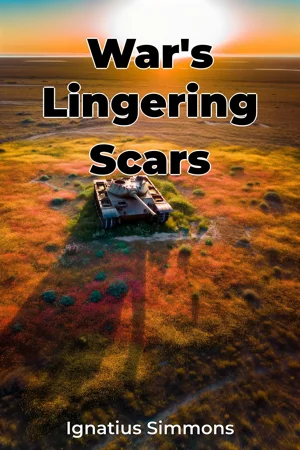
"War's Lingering Scars" examines the multigenerational impact of armed conflict through rigorous analysis of historical data, personal narratives, and sociological research spanning multiple conflicts from World War II to modern warfare. Drawing from extensive archives, military records, and longitudinal studies, this comprehensive work reveals how the ripple effects of war extend far beyond the immediate aftermath of conflict. The book presents three core themes: the intergenerational transmission of trauma, the restructuring of social institutions, and the economic reverberations that persist decades after peace treaties are signed. The first section establishes a framework for understanding post-war trauma transmission, utilizing data from psychiatric studies of veterans' families and documenting how combat-related stress manifests across generations. Through case studies from Vietnam War veterans' families and children of Holocaust survivors, the book demonstrates patterns of inherited psychological impacts and coping mechanisms. The second section analyzes how warfare fundamentally alters social structures. Using demographic data from post-conflict regions, the author illustrates shifts in family dynamics, gender roles, and community relationships. The research draws particular attention to the transformation of educational systems and workplace environments in post-war societies, supported by statistical analysis from reconstruction periods in Japan, Germany, and Bosnia. The final section addresses economic aftershocks, examining how conflict creates lasting disparities in wealth distribution, infrastructure development, and economic opportunity. Through economic modeling and historical data, the book traces how war-induced changes in property ownership, industrial capacity, and human capital continue to influence modern social mobility. The work integrates perspectives from multiple disciplines, including psychology, economics, and anthropology, to create a comprehensive understanding of war's lasting impact. It incorporates recently declassified military documents, oral histories from multiple generations of affected families, and contemporary research from conflict zones. Written in an academic yet accessible style, the book provides both scholarly analysis and practical insights for policymakers, mental health professionals, and families affected by military service. It challenges conventional post-war recovery narratives by revealing the subtle, persistent ways conflict shapes society long after formal hostilities end. The research methodology combines quantitative analysis of demographic and economic data with qualitative assessment of personal narratives and historical records. This dual approach allows for both macro-level understanding of societal changes and micro-level insight into individual experiences. The book specifically addresses current debates in post-conflict reconstruction, including the effectiveness of various intervention strategies and the role of international institutions in long-term recovery. It offers evidence-based recommendations for improving post-conflict support systems and preventing the perpetuation of war-related trauma. While focused primarily on 20th and 21st-century conflicts, the book acknowledges limitations in historical data availability and potential cultural biases in research methodology. It maintains relevance for military historians, social scientists, policy makers, and mental health professionals working with affected populations. The work concludes by presenting frameworks for identifying and addressing long-term conflict impacts, providing practical tools for communities and institutions engaged in post-war recovery efforts. It serves as both a scholarly resource and a guide for understanding and addressing the complex legacy of armed conflict in modern society.
"War's Lingering Scars" examines the multigenerational impact of armed conflict through rigorous analysis of historical data, personal narratives, and sociological research spanning multiple conflicts from World War II to modern warfare. Drawing from extensive archives, military records, and longitudinal studies, this comprehensive work reveals how the ripple effects of war extend far beyond the immediate aftermath of conflict. The book presents three core themes: the intergenerational transmission of trauma, the restructuring of social institutions, and the economic reverberations that persist decades after peace treaties are signed. The first section establishes a framework for understanding post-war trauma transmission, utilizing data from psychiatric studies of veterans' families and documenting how combat-related stress manifests across generations. Through case studies from Vietnam War veterans' families and children of Holocaust survivors, the book demonstrates patterns of inherited psychological impacts and coping mechanisms. The second section analyzes how warfare fundamentally alters social structures. Using demographic data from post-conflict regions, the author illustrates shifts in family dynamics, gender roles, and community relationships. The research draws particular attention to the transformation of educational systems and workplace environments in post-war societies, supported by statistical analysis from reconstruction periods in Japan, Germany, and Bosnia. The final section addresses economic aftershocks, examining how conflict creates lasting disparities in wealth distribution, infrastructure development, and economic opportunity. Through economic modeling and historical data, the book traces how war-induced changes in property ownership, industrial capacity, and human capital continue to influence modern social mobility. The work integrates perspectives from multiple disciplines, including psychology, economics, and anthropology, to create a comprehensive understanding of war's lasting impact. It incorporates recently declassified military documents, oral histories from multiple generations of affected families, and contemporary research from conflict zones. Written in an academic yet accessible style, the book provides both scholarly analysis and practical insights for policymakers, mental health professionals, and families affected by military service. It challenges conventional post-war recovery narratives by revealing the subtle, persistent ways conflict shapes society long after formal hostilities end. The research methodology combines quantitative analysis of demographic and economic data with qualitative assessment of personal narratives and historical records. This dual approach allows for both macro-level understanding of societal changes and micro-level insight into individual experiences. The book specifically addresses current debates in post-conflict reconstruction, including the effectiveness of various intervention strategies and the role of international institutions in long-term recovery. It offers evidence-based recommendations for improving post-conflict support systems and preventing the perpetuation of war-related trauma. While focused primarily on 20th and 21st-century conflicts, the book acknowledges limitations in historical data availability and potential cultural biases in research methodology. It maintains relevance for military historians, social scientists, policy makers, and mental health professionals working with affected populations. The work concludes by presenting frameworks for identifying and addressing long-term conflict impacts, providing practical tools for communities and institutions engaged in post-war recovery efforts. It serves as both a scholarly resource and a guide for understanding and addressing the complex legacy of armed conflict in modern society.
"War's Lingering Scars" offers a groundbreaking examination of how armed conflicts continue to shape societies long after the fighting ends. Through a masterful blend of historical data, personal narratives, and sociological research, the book reveals the complex ways warfare impacts multiple generations, from the psychological trauma inherited by veterans' families to the fundamental restructuring of social and economic systems. The book's unique strength lies in its comprehensive three-part analysis. Beginning with an exploration of intergenerational trauma transmission, supported by compelling case studies from Vietnam War veterans' families and Holocaust survivors, it demonstrates how combat-related stress echoes through time. The research then expands to examine warfare's transformation of social structures, using powerful examples from post-war Japan, Germany, and Bosnia to illustrate shifts in everything from family dynamics to educational systems. In its final section, the book delves into the persistent economic aftershocks of conflict, tracking how wartime disruptions create lasting disparities in wealth distribution and development opportunities. By combining quantitative analysis with personal histories and recently declassified documents, the work provides an accessible yet scholarly understanding of war's enduring legacy. This multidisciplinary approach makes it an invaluable resource for both academics and practitioners working in post-conflict recovery, while offering practical insights for addressing the complex challenges of war's aftermath.
Book Details
ISBN
9788233940478
Publisher
Publifye AS
Your Licenses
You don't own any licenses for this book
Purchase a license below to unlock this book and download the EPUB.
Purchase License
Select a tier to unlock this book
Need bulk licensing?
Contact us for enterprise agreements.