
About This Book
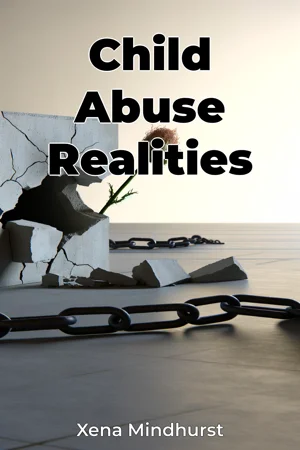
"Child Abuse Realities" confronts one of society's most critical challenges through evidence-based research and practical intervention strategies. This comprehensive examination of child abuse presents current statistics, clinical findings, and prevention frameworks that illuminate both the scope of the problem and pathways toward protection and healing. The book systematically addresses three core areas: the multifaceted nature of child abuse, identification and intervention protocols, and long-term societal implications. Through careful analysis of data from child protective services, healthcare systems, and longitudinal studies, readers gain insight into the prevalence of various forms of abuse—physical, emotional, sexual, and neglectful—across different demographic and social contexts. Drawing from decades of clinical research and case studies, the text explores the intricate psychological dynamics between perpetrators and victims, examining risk factors that contribute to abusive situations and the generational patterns that often emerge. The book presents evidence from neuroscience research showing how early trauma affects brain development and psychological functioning, establishing a scientific foundation for understanding both immediate and long-term impacts. Central to the book's thesis is the argument that effective child abuse prevention requires a coordinated, multi-system approach involving healthcare providers, educators, law enforcement, and community organizations. The text outlines specific protocols for identifying abuse indicators, implementing protective measures, and creating support systems for affected children and families. The content is structured in four main sections: understanding abuse patterns and prevalence, recognition and reporting procedures, intervention strategies, and healing pathways. Each section integrates current research with practical applications, providing professionals and caregivers with actionable frameworks for addressing abuse situations. The book incorporates diverse methodological approaches, including statistical analysis of national databases, qualitative studies of survivor experiences, and evaluation data from intervention programs. This mixed-methods approach provides readers with a nuanced understanding of both the quantitative scope and qualitative human impact of child abuse. Interdisciplinary connections span legal studies, public health, and social work, demonstrating how these fields intersect in addressing child abuse. The text also explores connections between child protection and mental health services, highlighting the importance of integrated care approaches. Written in a clear, professional style that balances academic rigor with accessibility, the book serves as a valuable resource for mental health professionals, social workers, educators, and legal practitioners. While maintaining scientific objectivity, the text addresses sensitive topics with appropriate gravity and respect for survivor experiences. The book acknowledges ongoing debates within the field, including discussions about mandatory reporting effectiveness and the balance between family preservation and child protection. It addresses these controversies through evidence-based analysis rather than taking partisan positions. Practical applications include detailed protocols for abuse recognition, documentation procedures, and intervention strategies. Readers receive concrete guidance for implementing protective measures and supporting abuse survivors through recovery processes. The scope encompasses both institutional and domestic settings, examining abuse patterns in families, schools, religious organizations, and other contexts where children are vulnerable. While focusing primarily on contemporary situations in developed nations, the text acknowledges global perspectives and cultural variations in child protection approaches. This resource serves as an essential reference for professionals working with children while remaining accessible to concerned parents and community members seeking to understand and prevent child abuse. It provides a foundation for informed action while maintaining appropriate boundaries regarding sensitive content and complex legal considerations.
"Child Abuse Realities" confronts one of society's most critical challenges through evidence-based research and practical intervention strategies. This comprehensive examination of child abuse presents current statistics, clinical findings, and prevention frameworks that illuminate both the scope of the problem and pathways toward protection and healing. The book systematically addresses three core areas: the multifaceted nature of child abuse, identification and intervention protocols, and long-term societal implications. Through careful analysis of data from child protective services, healthcare systems, and longitudinal studies, readers gain insight into the prevalence of various forms of abuse—physical, emotional, sexual, and neglectful—across different demographic and social contexts. Drawing from decades of clinical research and case studies, the text explores the intricate psychological dynamics between perpetrators and victims, examining risk factors that contribute to abusive situations and the generational patterns that often emerge. The book presents evidence from neuroscience research showing how early trauma affects brain development and psychological functioning, establishing a scientific foundation for understanding both immediate and long-term impacts. Central to the book's thesis is the argument that effective child abuse prevention requires a coordinated, multi-system approach involving healthcare providers, educators, law enforcement, and community organizations. The text outlines specific protocols for identifying abuse indicators, implementing protective measures, and creating support systems for affected children and families. The content is structured in four main sections: understanding abuse patterns and prevalence, recognition and reporting procedures, intervention strategies, and healing pathways. Each section integrates current research with practical applications, providing professionals and caregivers with actionable frameworks for addressing abuse situations. The book incorporates diverse methodological approaches, including statistical analysis of national databases, qualitative studies of survivor experiences, and evaluation data from intervention programs. This mixed-methods approach provides readers with a nuanced understanding of both the quantitative scope and qualitative human impact of child abuse. Interdisciplinary connections span legal studies, public health, and social work, demonstrating how these fields intersect in addressing child abuse. The text also explores connections between child protection and mental health services, highlighting the importance of integrated care approaches. Written in a clear, professional style that balances academic rigor with accessibility, the book serves as a valuable resource for mental health professionals, social workers, educators, and legal practitioners. While maintaining scientific objectivity, the text addresses sensitive topics with appropriate gravity and respect for survivor experiences. The book acknowledges ongoing debates within the field, including discussions about mandatory reporting effectiveness and the balance between family preservation and child protection. It addresses these controversies through evidence-based analysis rather than taking partisan positions. Practical applications include detailed protocols for abuse recognition, documentation procedures, and intervention strategies. Readers receive concrete guidance for implementing protective measures and supporting abuse survivors through recovery processes. The scope encompasses both institutional and domestic settings, examining abuse patterns in families, schools, religious organizations, and other contexts where children are vulnerable. While focusing primarily on contemporary situations in developed nations, the text acknowledges global perspectives and cultural variations in child protection approaches. This resource serves as an essential reference for professionals working with children while remaining accessible to concerned parents and community members seeking to understand and prevent child abuse. It provides a foundation for informed action while maintaining appropriate boundaries regarding sensitive content and complex legal considerations.
"Child Abuse Realities" delivers a comprehensive examination of one of society's most pressing challenges, combining evidence-based research with practical intervention strategies. The book expertly navigates through the complex landscape of child abuse, offering readers a deep understanding of its various forms - physical, emotional, sexual, and neglectful - while presenting current statistics and clinical findings that illuminate both the scope and impact of this critical issue. Through a systematic approach divided into four main sections, the book progresses from understanding abuse patterns to recognition protocols, intervention strategies, and healing pathways. It uniquely integrates neuroscience research demonstrating how early trauma affects brain development with practical applications for professionals and caregivers. The text draws from decades of clinical research and case studies, examining the intricate psychological dynamics between perpetrators and victims, while maintaining a sensitive and respectful approach to survivor experiences. What sets this resource apart is its multi-system perspective, emphasizing that effective child abuse prevention requires coordinated efforts across healthcare, education, law enforcement, and community organizations. The book provides actionable frameworks and detailed protocols for identifying abuse indicators and implementing protective measures, making it an invaluable tool for mental health professionals, social workers, educators, and concerned community members. Its mixed-methods approach, combining statistical analysis with qualitative studies, offers readers both the broad perspective and specific insights needed to address this challenging issue effectively.
Book Details
ISBN
9788233940461
Publisher
Publifye AS
Your Licenses
You don't own any licenses for this book
Purchase a license below to unlock this book and download the EPUB.
Purchase License
Select a tier to unlock this book
Need bulk licensing?
Contact us for enterprise agreements.