
About This Book
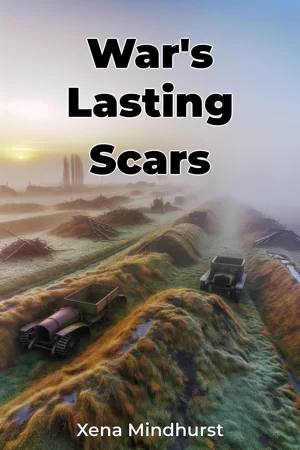
"War's Lasting Scars" opens with a stark revelation: the impact of warfare extends far beyond the battlefield, creating ripples that affect societies for generations. Through extensive research and firsthand accounts, this comprehensive examination explores how armed conflicts reshape both individual lives and collective consciousness. The book integrates three core themes: the psychological aftermath of combat experience, the sociological transformation of communities affected by war, and the historical evolution of warfare's impact on human society. Drawing from military archives, psychiatric studies, and veteran interviews spanning World War I to modern conflicts, it presents a meticulously researched analysis of war's enduring legacy. The narrative is structured in three main sections. The first explores the psychological impact of combat, analyzing how battlefield trauma manifests in different cultural and historical contexts. It presents groundbreaking research on post-traumatic stress disorder, incorporating recent neuroscience findings and longitudinal studies of veteran populations. The second section examines the societal transformation in post-conflict zones, from family structure changes to economic reorganization. The final section investigates the evolution of warfare technology and its correlation with psychological impact on combatants and civilians. Central to the book's thesis is the argument that warfare's psychological and social consequences are as significant as its immediate physical impact. This perspective is supported by extensive data from military and civilian medical records, oral histories, and contemporary psychological studies. The research draws from previously classified military documents, long-term veteran health studies, and cross-cultural analyses of post-conflict societies. The work connects military history with psychology, sociology, and peace studies, offering insights into human resilience and adaptation. It examines how different societies have addressed war trauma, from ancient warrior cultures to modern therapeutic approaches. The analysis includes detailed case studies of veteran reintegration programs across various countries, evaluating their effectiveness and lessons learned. Written in an academic yet accessible style, the book combines statistical analysis with narrative accounts from survivors, medical professionals, and military historians. It maintains a balanced perspective, acknowledging both the technological advances stemming from military research and the devastating human costs of warfare. The target audience includes military historians, mental health professionals, policymakers, and readers interested in understanding war's broader implications. The book provides practical insights for professionals working with veteran communities while remaining relevant to general readers seeking to understand conflict's lasting effects. Special attention is given to emerging topics in the field, including the impact of modern warfare technologies on psychological trauma, the role of social media in war narrative formation, and new approaches to veteran care. The work addresses ongoing debates about military preparedness versus psychological cost and the balance between national security and human welfare. While the book primarily focuses on 20th and 21st-century conflicts, it draws historical parallels to demonstrate patterns in how societies cope with war's aftermath. It acknowledges limitations in data availability from certain conflicts and regions while providing a framework for understanding universal aspects of war trauma and recovery. The conclusion offers practical recommendations for improving veteran support systems and fostering peace-building initiatives, based on the accumulated evidence presented throughout the work. It emphasizes the importance of understanding war's psychological legacy for developing effective conflict resolution strategies and post-conflict reconstruction efforts.
"War's Lasting Scars" opens with a stark revelation: the impact of warfare extends far beyond the battlefield, creating ripples that affect societies for generations. Through extensive research and firsthand accounts, this comprehensive examination explores how armed conflicts reshape both individual lives and collective consciousness. The book integrates three core themes: the psychological aftermath of combat experience, the sociological transformation of communities affected by war, and the historical evolution of warfare's impact on human society. Drawing from military archives, psychiatric studies, and veteran interviews spanning World War I to modern conflicts, it presents a meticulously researched analysis of war's enduring legacy. The narrative is structured in three main sections. The first explores the psychological impact of combat, analyzing how battlefield trauma manifests in different cultural and historical contexts. It presents groundbreaking research on post-traumatic stress disorder, incorporating recent neuroscience findings and longitudinal studies of veteran populations. The second section examines the societal transformation in post-conflict zones, from family structure changes to economic reorganization. The final section investigates the evolution of warfare technology and its correlation with psychological impact on combatants and civilians. Central to the book's thesis is the argument that warfare's psychological and social consequences are as significant as its immediate physical impact. This perspective is supported by extensive data from military and civilian medical records, oral histories, and contemporary psychological studies. The research draws from previously classified military documents, long-term veteran health studies, and cross-cultural analyses of post-conflict societies. The work connects military history with psychology, sociology, and peace studies, offering insights into human resilience and adaptation. It examines how different societies have addressed war trauma, from ancient warrior cultures to modern therapeutic approaches. The analysis includes detailed case studies of veteran reintegration programs across various countries, evaluating their effectiveness and lessons learned. Written in an academic yet accessible style, the book combines statistical analysis with narrative accounts from survivors, medical professionals, and military historians. It maintains a balanced perspective, acknowledging both the technological advances stemming from military research and the devastating human costs of warfare. The target audience includes military historians, mental health professionals, policymakers, and readers interested in understanding war's broader implications. The book provides practical insights for professionals working with veteran communities while remaining relevant to general readers seeking to understand conflict's lasting effects. Special attention is given to emerging topics in the field, including the impact of modern warfare technologies on psychological trauma, the role of social media in war narrative formation, and new approaches to veteran care. The work addresses ongoing debates about military preparedness versus psychological cost and the balance between national security and human welfare. While the book primarily focuses on 20th and 21st-century conflicts, it draws historical parallels to demonstrate patterns in how societies cope with war's aftermath. It acknowledges limitations in data availability from certain conflicts and regions while providing a framework for understanding universal aspects of war trauma and recovery. The conclusion offers practical recommendations for improving veteran support systems and fostering peace-building initiatives, based on the accumulated evidence presented throughout the work. It emphasizes the importance of understanding war's psychological legacy for developing effective conflict resolution strategies and post-conflict reconstruction efforts.
"War's Lasting Scars" delivers a compelling exploration of warfare's profound impact beyond the battlefield, revealing how armed conflicts shape both individual psyches and entire societies across generations. Through a masterful blend of military archives, psychiatric studies, and veteran interviews, the book unveils the intricate connections between combat experience, psychological trauma, and societal transformation. The work stands out for its comprehensive approach to understanding war's enduring legacy, from World War I to contemporary conflicts. The book's three-part structure systematically examines the psychological toll of combat, analyzing PTSD through modern neuroscience and longitudinal studies of veteran populations. It then broadens its scope to investigate how post-conflict societies undergo fundamental changes, from family dynamics to economic restructuring. The final section draws fascinating parallels between advancing military technology and its psychological impact on both soldiers and civilians, supported by previously classified military documents and cross-cultural analyses. What makes this work particularly valuable is its interdisciplinary approach, bridging military history with psychology and sociology while maintaining accessibility for both professionals and general readers. The inclusion of firsthand accounts alongside statistical analysis provides a human dimension to the research, while detailed case studies of veteran reintegration programs offer practical insights for those working with affected communities. The book's examination of emerging topics, such as the role of social media in war narrative formation and modern therapeutic approaches, ensures its relevance to contemporary discussions about conflict and recovery.
Book Details
ISBN
9788233940270
Publisher
Publifye AS
Your Licenses
You don't own any licenses for this book
Purchase a license below to unlock this book and download the EPUB.
Purchase License
Select a tier to unlock this book
Need bulk licensing?
Contact us for enterprise agreements.