
About This Book
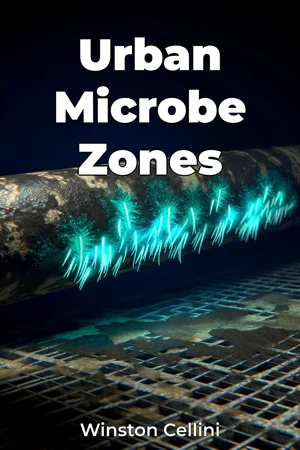
"Urban Microbe Zones" reveals the hidden microbial ecosystems thriving within our cities, demonstrating how these microscopic organisms fundamentally influence urban health, infrastructure, and daily human activities. This comprehensive examination bridges the gap between urban planning and microbiology, offering insights into the complex relationships between city environments and their smallest inhabitants. The book systematically explores three core themes: the distinct microbial communities that develop in different urban zones, their impact on public health outcomes, and their role in urban ecosystem services. Through detailed analysis of subway systems, public parks, and building interiors, readers discover how specific environmental conditions create unique microbiological niches that affect human wellbeing. Drawing from ten years of environmental sampling across major global cities, the work presents new research on previously overlooked microbial communities. The data encompasses DNA sequencing results from urban surfaces, air quality measurements, and longitudinal studies of seasonal microbial variations in city environments. This evidence establishes clear connections between urban design choices and the resulting microbial communities that develop. The book's structure progresses from fundamental concepts to practical applications. Initial chapters introduce basic principles of urban microbiology and sampling methodologies. Middle sections examine specific urban environments and their characteristic microorganisms, while later chapters focus on practical applications for urban planning and public health policy. The conclusion presents a framework for integrating microbiological considerations into future city development. Key findings demonstrate how building materials, ventilation systems, and human traffic patterns influence microbial community composition. The research reveals that certain urban design features can promote beneficial microorganisms while minimizing potentially harmful ones. This understanding has direct implications for reducing disease transmission in public spaces and improving indoor air quality. The work connects multiple disciplines, including architecture, public health, and environmental science. These interdisciplinary links provide context for understanding how urban microbiomes interact with built environments and human health outcomes. The book maintains a technical yet accessible tone, using clear language to explain complex biological concepts to readers with basic scientific literacy. Intended for urban planners, public health professionals, and environmental scientists, this book provides practical tools for implementing microbiome-aware design strategies. It addresses current debates about antimicrobial materials in construction and the role of beneficial bacteria in urban environments. The scope focuses specifically on metropolitan areas while acknowledging the influence of surrounding ecosystems. Research methods detailed in the book include next-generation sequencing techniques, environmental monitoring, and statistical analysis of health outcomes in relation to microbial exposure patterns. This comprehensive approach provides readers with both theoretical understanding and practical applications for their professional work. The book challenges common assumptions about urban cleanliness, presenting evidence that excessive sanitization may have unintended negative consequences for public health. It offers alternative approaches to managing urban microbiomes that balance hygiene with the need for microbial diversity. Within the context of current biological and environmental science literature, this work fills a significant gap by focusing specifically on urban microorganisms and their practical implications for city living. It provides evidence-based recommendations for creating healthier urban environments while acknowledging the complexity of managing microbial ecosystems in human-dominated spaces.
"Urban Microbe Zones" reveals the hidden microbial ecosystems thriving within our cities, demonstrating how these microscopic organisms fundamentally influence urban health, infrastructure, and daily human activities. This comprehensive examination bridges the gap between urban planning and microbiology, offering insights into the complex relationships between city environments and their smallest inhabitants. The book systematically explores three core themes: the distinct microbial communities that develop in different urban zones, their impact on public health outcomes, and their role in urban ecosystem services. Through detailed analysis of subway systems, public parks, and building interiors, readers discover how specific environmental conditions create unique microbiological niches that affect human wellbeing. Drawing from ten years of environmental sampling across major global cities, the work presents new research on previously overlooked microbial communities. The data encompasses DNA sequencing results from urban surfaces, air quality measurements, and longitudinal studies of seasonal microbial variations in city environments. This evidence establishes clear connections between urban design choices and the resulting microbial communities that develop. The book's structure progresses from fundamental concepts to practical applications. Initial chapters introduce basic principles of urban microbiology and sampling methodologies. Middle sections examine specific urban environments and their characteristic microorganisms, while later chapters focus on practical applications for urban planning and public health policy. The conclusion presents a framework for integrating microbiological considerations into future city development. Key findings demonstrate how building materials, ventilation systems, and human traffic patterns influence microbial community composition. The research reveals that certain urban design features can promote beneficial microorganisms while minimizing potentially harmful ones. This understanding has direct implications for reducing disease transmission in public spaces and improving indoor air quality. The work connects multiple disciplines, including architecture, public health, and environmental science. These interdisciplinary links provide context for understanding how urban microbiomes interact with built environments and human health outcomes. The book maintains a technical yet accessible tone, using clear language to explain complex biological concepts to readers with basic scientific literacy. Intended for urban planners, public health professionals, and environmental scientists, this book provides practical tools for implementing microbiome-aware design strategies. It addresses current debates about antimicrobial materials in construction and the role of beneficial bacteria in urban environments. The scope focuses specifically on metropolitan areas while acknowledging the influence of surrounding ecosystems. Research methods detailed in the book include next-generation sequencing techniques, environmental monitoring, and statistical analysis of health outcomes in relation to microbial exposure patterns. This comprehensive approach provides readers with both theoretical understanding and practical applications for their professional work. The book challenges common assumptions about urban cleanliness, presenting evidence that excessive sanitization may have unintended negative consequences for public health. It offers alternative approaches to managing urban microbiomes that balance hygiene with the need for microbial diversity. Within the context of current biological and environmental science literature, this work fills a significant gap by focusing specifically on urban microorganisms and their practical implications for city living. It provides evidence-based recommendations for creating healthier urban environments while acknowledging the complexity of managing microbial ecosystems in human-dominated spaces.
"Urban Microbe Zones" unveils the fascinating world of microscopic life flourishing in our cities, exploring how these invisible ecosystems profoundly shape urban health and infrastructure. Through comprehensive research spanning a decade of environmental sampling across global cities, the book illuminates the intricate relationships between urban design and microbial communities that develop in subways, parks, and buildings. This groundbreaking work demonstrates how specific environmental conditions create unique microbiological niches that directly impact human wellbeing and city functionality. The book masterfully progresses from foundational concepts to practical applications, examining three core themes: distinct urban microbial communities, their public health implications, and their role in ecosystem services. Using advanced DNA sequencing and environmental monitoring techniques, it reveals surprising findings about how building materials, ventilation systems, and human traffic patterns influence microbial compositions. One particularly intriguing insight challenges conventional wisdom about urban cleanliness, suggesting that excessive sanitization might actually harm public health rather than improve it. Bridging multiple disciplines including architecture, public health, and environmental science, this accessible yet technically robust work provides a practical framework for implementing microbiome-aware design strategies in urban planning. The research presents clear evidence for how certain design features can promote beneficial microorganisms while minimizing harmful ones, offering valuable guidance for creating healthier urban environments. This approach makes the book an essential resource for urban planners, public health professionals, and environmental scientists seeking to understand and optimize the invisible ecosystems within our cities.
Book Details
ISBN
9788233940133
Publisher
Publifye AS
Your Licenses
You don't own any licenses for this book
Purchase a license below to unlock this book and download the EPUB.
Purchase License
Select a tier to unlock this book
Need bulk licensing?
Contact us for enterprise agreements.