
About This Book
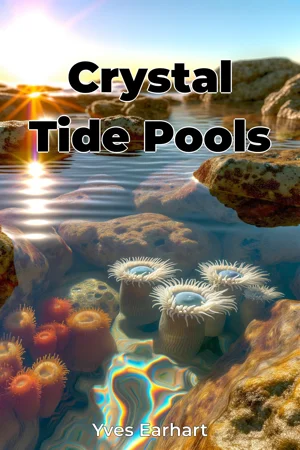
"Crystal Tide Pools" illuminates the complex marine ecosystems that exist within the narrow interface between land and sea, where each small pool serves as a natural laboratory for understanding broader oceanic processes. The book examines three primary aspects of tide pool environments: the physical dynamics of pool formation, the biological communities that inhabit these spaces, and the chemical interactions that sustain these miniature ecosystems. Through detailed observations and current research, readers discover how these seemingly simple depressions in coastal rocks support intricate webs of life that adapt to dramatic environmental changes occurring twice daily. Beginning with the geological processes that create tide pools, the text explores how wave action, erosion, and mineral composition contribute to pool formation. These factors establish the foundation for understanding why certain coastal areas develop more complex pool systems than others. The book presents research from marine biologists and geologists who have documented the formation and evolution of tide pools across various coastal regions. The central chapters focus on the biological inhabitants of tide pools, from microscopic algae to specialized invertebrates. Each species profile includes detailed information about adaptation strategies for surviving extreme temperature changes, salinity fluctuations, and predation pressures. The text incorporates recent studies on symbiotic relationships between tide pool organisms, revealing previously unknown connections that maintain these ecosystems. The book employs a systematic approach to examining chemical and physical processes, utilizing data from long-term monitoring studies and advanced measurement techniques. Readers learn how minerals dissolve and precipitate within pools, how oxygen levels fluctuate throughout the day, and how these changes influence the behavior and distribution of resident species. Interdisciplinary connections link tide pool ecology to climate science, as these environments serve as early indicators of oceanic changes. The text also explores connections to chemistry through mineral formation processes and to physics through the study of wave mechanics and thermal regulation. The writing maintains a clear, methodical style that guides readers through complex scientific concepts without oversimplification. Technical terms are carefully introduced and explained, making the content accessible to both university students and knowledgeable general readers with an interest in marine biology or coastal ecosystems. Research presentation includes detailed photographs, time-series data, and case studies from significant coastal research stations worldwide. The book draws from peer-reviewed studies conducted over the past two decades, providing current understanding of tide pool dynamics. Practical applications extend to coastal conservation, habitat monitoring, and climate change assessment. Readers learn techniques for conducting their own tide pool surveys and understanding indicators of ecosystem health. The book includes protocols for responsible tide pool observation and research, emphasizing the importance of minimizing impact on these sensitive environments. The text addresses ongoing debates about the resilience of tide pool ecosystems to climate change and ocean acidification, presenting evidence from multiple research perspectives. It examines current hypotheses about adaptation potential and discusses implications for coastal ecosystem management. While focused primarily on temperate coastal regions, the book acknowledges geographical variations in tide pool characteristics and community composition. It establishes clear parameters for its scope while providing references for readers interested in tropical or polar tide pool systems. This comprehensive examination of tide pool ecosystems serves as both a scientific reference and a practical guide for marine biology students, coastal researchers, and environmental monitors. By connecting microscale observations to macroscale oceanic processes, "Crystal Tide Pools" provides readers with tools for understanding and studying these dynamic coastal features.
"Crystal Tide Pools" illuminates the complex marine ecosystems that exist within the narrow interface between land and sea, where each small pool serves as a natural laboratory for understanding broader oceanic processes. The book examines three primary aspects of tide pool environments: the physical dynamics of pool formation, the biological communities that inhabit these spaces, and the chemical interactions that sustain these miniature ecosystems. Through detailed observations and current research, readers discover how these seemingly simple depressions in coastal rocks support intricate webs of life that adapt to dramatic environmental changes occurring twice daily. Beginning with the geological processes that create tide pools, the text explores how wave action, erosion, and mineral composition contribute to pool formation. These factors establish the foundation for understanding why certain coastal areas develop more complex pool systems than others. The book presents research from marine biologists and geologists who have documented the formation and evolution of tide pools across various coastal regions. The central chapters focus on the biological inhabitants of tide pools, from microscopic algae to specialized invertebrates. Each species profile includes detailed information about adaptation strategies for surviving extreme temperature changes, salinity fluctuations, and predation pressures. The text incorporates recent studies on symbiotic relationships between tide pool organisms, revealing previously unknown connections that maintain these ecosystems. The book employs a systematic approach to examining chemical and physical processes, utilizing data from long-term monitoring studies and advanced measurement techniques. Readers learn how minerals dissolve and precipitate within pools, how oxygen levels fluctuate throughout the day, and how these changes influence the behavior and distribution of resident species. Interdisciplinary connections link tide pool ecology to climate science, as these environments serve as early indicators of oceanic changes. The text also explores connections to chemistry through mineral formation processes and to physics through the study of wave mechanics and thermal regulation. The writing maintains a clear, methodical style that guides readers through complex scientific concepts without oversimplification. Technical terms are carefully introduced and explained, making the content accessible to both university students and knowledgeable general readers with an interest in marine biology or coastal ecosystems. Research presentation includes detailed photographs, time-series data, and case studies from significant coastal research stations worldwide. The book draws from peer-reviewed studies conducted over the past two decades, providing current understanding of tide pool dynamics. Practical applications extend to coastal conservation, habitat monitoring, and climate change assessment. Readers learn techniques for conducting their own tide pool surveys and understanding indicators of ecosystem health. The book includes protocols for responsible tide pool observation and research, emphasizing the importance of minimizing impact on these sensitive environments. The text addresses ongoing debates about the resilience of tide pool ecosystems to climate change and ocean acidification, presenting evidence from multiple research perspectives. It examines current hypotheses about adaptation potential and discusses implications for coastal ecosystem management. While focused primarily on temperate coastal regions, the book acknowledges geographical variations in tide pool characteristics and community composition. It establishes clear parameters for its scope while providing references for readers interested in tropical or polar tide pool systems. This comprehensive examination of tide pool ecosystems serves as both a scientific reference and a practical guide for marine biology students, coastal researchers, and environmental monitors. By connecting microscale observations to macroscale oceanic processes, "Crystal Tide Pools" provides readers with tools for understanding and studying these dynamic coastal features.
"Crystal Tide Pools" offers an exploration into the vibrant ecosystems nestled in coastal tide pools, revealing how these small, seemingly simple environments serve as microcosms for understanding broader oceanic processes. The book investigates the ecological, biological, and chemical factors that shape these unique habitats. Readers will discover that tide pools, despite their size, are home to intricate food webs where marine invertebrates have developed remarkable biological adaptation strategies to survive extreme temperature and salinity fluctuations. The book progresses logically from the geological formation of tide pools through the intricacies of their biological communities and chemical interactions. It highlights how wave action and erosion create diverse pool systems, influencing the distribution of species within. Through environmental monitoring and detailed studies, the text reveals surprising symbiotic relationships between tide pool organisms, emphasizing the interconnectedness of these coastal ecosystems. This approach underscores the urgent need for ecosystem conservation and understanding the potential impacts of climate change on these sensitive environments. By linking microscale observations to macroscale oceanic processes, "Crystal Tide Pools" not only serves as a comprehensive resource for students and researchers but also equips readers with practical tools for coastal conservation and habitat monitoring. The discussion also touches on the mineral composition within pools and how oxygen levels fluctuate, affecting the behavior of resident species. This interdisciplinary approach, coupled with detailed photographs and data, provides a current understanding of tide pool dynamics and their critical role in marine ecology.
Book Details
ISBN
9788233939946
Publisher
Publifye AS
Your Licenses
You don't own any licenses for this book
Purchase a license below to unlock this book and download the EPUB.
Purchase License
Select a tier to unlock this book
Need bulk licensing?
Contact us for enterprise agreements.