
About This Book
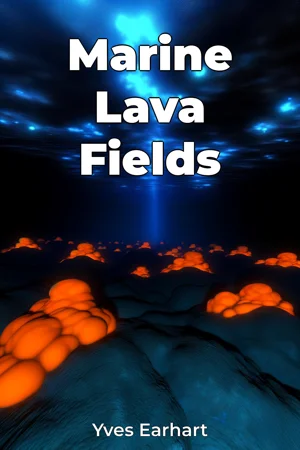
"Marine Lava Fields" examines the dynamic processes occurring at the intersection of volcanic activity and marine environments, where molten rock meets ocean depths to create some of Earth's most geologically significant formations. This comprehensive exploration reveals how underwater volcanic processes shape our planet's seafloor and support unique ecosystems in seemingly inhospitable conditions. The book presents three core themes: the mechanics of underwater volcanic eruptions, the formation and evolution of submarine lava structures, and the complex ecosystems that develop around these geological features. Through detailed analysis of seafloor spreading zones and hotspot volcanism, readers gain insight into how Earth's internal processes contribute to ocean basin formation and modification. Drawing from recent deep-sea expeditions and advanced mapping technologies, the text provides detailed examinations of submarine lava morphology, including pillow lavas, sheet flows, and lava deltas. These formations, some extending for hundreds of square kilometers, demonstrate the scale and impact of underwater volcanic activity. The book explains how rapid cooling of magma in marine environments creates distinctive structures and how these differ from terrestrial volcanic formations. A significant portion focuses on the chemistry and physics of lava-water interactions, incorporating research from major oceanographic institutions and utilizing data from remotely operated vehicles (ROVs). The text examines how temperature differentials, pressure gradients, and chemical exchanges influence the resulting geological formations. The book connects geology with marine biology, revealing how these volcanic environments support chemosynthetic communities and contribute to marine biodiversity. Through case studies of notable submarine volcanic regions, including the Mid-Atlantic Ridge and the Hawaiian-Emperor seamount chain, readers learn how these environments create conditions for life in the absence of sunlight. Technical concepts are presented systematically, building from basic principles of volcanic activity to complex interactions between geological, chemical, and biological systems. The material incorporates current research in plate tectonics, marine geology, and deep-sea biology, providing a multidisciplinary perspective on these underwater phenomena. Each chapter includes detailed bathymetric maps, cross-sectional diagrams, and high-resolution photographs from submarine expeditions. The text maintains a balance between technical accuracy and accessibility, making it suitable for both academic researchers and informed general readers with an interest in marine sciences. The work addresses current scientific debates regarding the role of submarine volcanism in global chemical cycles and climate systems. It examines emerging research on the contribution of underwater volcanic activity to ocean chemistry and its potential influences on marine ecosystems at various scales. The book concludes with discussions of future research directions, including the application of new technologies for mapping and monitoring submarine volcanic activity, and the implications for understanding Earth's geological evolution and marine ecosystem development. Written for earth scientists, marine biologists, and educated general readers, this volume provides a comprehensive reference on submarine volcanic processes and their ecological implications. It serves as both an academic resource and a guide to understanding these fundamental Earth processes that continue to shape our planet's oceans.
"Marine Lava Fields" examines the dynamic processes occurring at the intersection of volcanic activity and marine environments, where molten rock meets ocean depths to create some of Earth's most geologically significant formations. This comprehensive exploration reveals how underwater volcanic processes shape our planet's seafloor and support unique ecosystems in seemingly inhospitable conditions. The book presents three core themes: the mechanics of underwater volcanic eruptions, the formation and evolution of submarine lava structures, and the complex ecosystems that develop around these geological features. Through detailed analysis of seafloor spreading zones and hotspot volcanism, readers gain insight into how Earth's internal processes contribute to ocean basin formation and modification. Drawing from recent deep-sea expeditions and advanced mapping technologies, the text provides detailed examinations of submarine lava morphology, including pillow lavas, sheet flows, and lava deltas. These formations, some extending for hundreds of square kilometers, demonstrate the scale and impact of underwater volcanic activity. The book explains how rapid cooling of magma in marine environments creates distinctive structures and how these differ from terrestrial volcanic formations. A significant portion focuses on the chemistry and physics of lava-water interactions, incorporating research from major oceanographic institutions and utilizing data from remotely operated vehicles (ROVs). The text examines how temperature differentials, pressure gradients, and chemical exchanges influence the resulting geological formations. The book connects geology with marine biology, revealing how these volcanic environments support chemosynthetic communities and contribute to marine biodiversity. Through case studies of notable submarine volcanic regions, including the Mid-Atlantic Ridge and the Hawaiian-Emperor seamount chain, readers learn how these environments create conditions for life in the absence of sunlight. Technical concepts are presented systematically, building from basic principles of volcanic activity to complex interactions between geological, chemical, and biological systems. The material incorporates current research in plate tectonics, marine geology, and deep-sea biology, providing a multidisciplinary perspective on these underwater phenomena. Each chapter includes detailed bathymetric maps, cross-sectional diagrams, and high-resolution photographs from submarine expeditions. The text maintains a balance between technical accuracy and accessibility, making it suitable for both academic researchers and informed general readers with an interest in marine sciences. The work addresses current scientific debates regarding the role of submarine volcanism in global chemical cycles and climate systems. It examines emerging research on the contribution of underwater volcanic activity to ocean chemistry and its potential influences on marine ecosystems at various scales. The book concludes with discussions of future research directions, including the application of new technologies for mapping and monitoring submarine volcanic activity, and the implications for understanding Earth's geological evolution and marine ecosystem development. Written for earth scientists, marine biologists, and educated general readers, this volume provides a comprehensive reference on submarine volcanic processes and their ecological implications. It serves as both an academic resource and a guide to understanding these fundamental Earth processes that continue to shape our planet's oceans.
"Marine Lava Fields" offers a fascinating exploration of underwater volcanic processes and their profound impact on ocean ecosystems. The book masterfully weaves together the complex interplay between molten rock and seawater, revealing how these interactions create distinctive geological formations and support remarkable deep-sea life forms. Through detailed analysis of seafloor spreading zones and hotspot volcanism, readers discover how Earth's internal forces continuously reshape our ocean basins. At its core, the book examines three fundamental aspects: underwater volcanic eruption mechanics, the development of submarine lava structures, and the unique ecosystems thriving in these extreme environments. Drawing from cutting-edge research and recent deep-sea expeditions, it illuminates how massive lava fields, some spanning hundreds of square kilometers, form through processes distinctly different from their terrestrial counterparts. The text particularly shines in its examination of pillow lavas, sheet flows, and lava deltas, explaining how rapid cooling in marine environments creates these characteristic formations. The book's multidisciplinary approach bridges the gap between geology and marine biology, utilizing data from remotely operated vehicles (ROVs) and advanced mapping technologies to tell the complete story of submarine volcanism. Through case studies of notable regions like the Mid-Atlantic Ridge and the Hawaiian-Emperor seamount chain, readers gain insight into how these volcanic environments create conditions for chemosynthetic communities to flourish in the absence of sunlight, demonstrating the remarkable adaptability of life in Earth's oceans.
Book Details
ISBN
9788233939939
Publisher
Publifye AS
Your Licenses
You don't own any licenses for this book
Purchase a license below to unlock this book and download the EPUB.
Purchase License
Select a tier to unlock this book
Need bulk licensing?
Contact us for enterprise agreements.