
About This Book
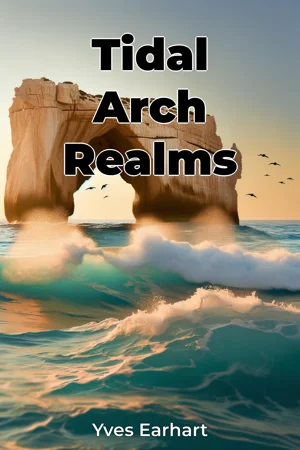
"Tidal Arch Realms" explores the intricate relationship between geological processes and marine forces that create and shape natural rock arches along coastlines worldwide. Through detailed scientific analysis and long-term observational data, this book presents a comprehensive examination of these distinctive coastal formations and their role in marine ecosystems. The work begins by establishing the fundamental geological principles behind arch formation, detailing how wave action, tidal forces, and rock composition interact over millennia to create these structures. Readers will understand the specific conditions required for arch development, from rock type and structural weakness to the precise wave patterns that facilitate erosion. The book is organized into three main sections. The first examines the geological mechanics of arch formation, incorporating recent research in structural geology and marine physics. The second section focuses on the ecological significance of these formations, documenting how they create unique habitats for marine species and influence local biodiversity. The final section addresses modern mapping and monitoring techniques, including LiDAR technology and time-lapse photography, used to track erosion patterns and predict structural changes. Supporting evidence comes from multiple scientific disciplines, including geological surveys spanning decades, marine biological studies, and advanced computer modeling of wave dynamics. The book features case studies from various coastal locations, providing comparative analyses of arch formation under different environmental conditions. The work connects geology with marine biology, coastal engineering, and climate science. It demonstrates how understanding arch formation helps predict coastal evolution and supports shoreline management strategies. The research presented has practical applications for coastal conservation, marine habitat protection, and tourist site management. Written in an academic yet accessible style, the book employs clear technical explanations supported by detailed diagrams and high-resolution photographs. It targets earth scientists, marine biologists, coastal engineers, and environmental managers while remaining accessible to informed general readers interested in coastal processes. The book addresses current debates in coastal science, including the impact of climate change on erosion rates and the challenge of preserving natural formations while maintaining public access. It presents new methodologies for studying arch stability, including acoustic monitoring systems and stress analysis techniques. Practical applications include risk assessment protocols for coastal planning, guidelines for marine protected area management, and frameworks for sustainable tourism development around these formations. The work also provides insights into how these structures can serve as indicators of broader coastal change processes. Limitations are clearly acknowledged, focusing primarily on marine-formed arches rather than all natural arch types. The book maintains scientific objectivity while emphasizing the importance of these formations for both ecological systems and human communities. The work concludes by examining future challenges, including the effects of rising sea levels on arch preservation and the need for balanced approaches to site management. It provides a foundation for understanding these complex natural formations while highlighting their significance in coastal systems and the importance of their preservation for future generations.
"Tidal Arch Realms" explores the intricate relationship between geological processes and marine forces that create and shape natural rock arches along coastlines worldwide. Through detailed scientific analysis and long-term observational data, this book presents a comprehensive examination of these distinctive coastal formations and their role in marine ecosystems. The work begins by establishing the fundamental geological principles behind arch formation, detailing how wave action, tidal forces, and rock composition interact over millennia to create these structures. Readers will understand the specific conditions required for arch development, from rock type and structural weakness to the precise wave patterns that facilitate erosion. The book is organized into three main sections. The first examines the geological mechanics of arch formation, incorporating recent research in structural geology and marine physics. The second section focuses on the ecological significance of these formations, documenting how they create unique habitats for marine species and influence local biodiversity. The final section addresses modern mapping and monitoring techniques, including LiDAR technology and time-lapse photography, used to track erosion patterns and predict structural changes. Supporting evidence comes from multiple scientific disciplines, including geological surveys spanning decades, marine biological studies, and advanced computer modeling of wave dynamics. The book features case studies from various coastal locations, providing comparative analyses of arch formation under different environmental conditions. The work connects geology with marine biology, coastal engineering, and climate science. It demonstrates how understanding arch formation helps predict coastal evolution and supports shoreline management strategies. The research presented has practical applications for coastal conservation, marine habitat protection, and tourist site management. Written in an academic yet accessible style, the book employs clear technical explanations supported by detailed diagrams and high-resolution photographs. It targets earth scientists, marine biologists, coastal engineers, and environmental managers while remaining accessible to informed general readers interested in coastal processes. The book addresses current debates in coastal science, including the impact of climate change on erosion rates and the challenge of preserving natural formations while maintaining public access. It presents new methodologies for studying arch stability, including acoustic monitoring systems and stress analysis techniques. Practical applications include risk assessment protocols for coastal planning, guidelines for marine protected area management, and frameworks for sustainable tourism development around these formations. The work also provides insights into how these structures can serve as indicators of broader coastal change processes. Limitations are clearly acknowledged, focusing primarily on marine-formed arches rather than all natural arch types. The book maintains scientific objectivity while emphasizing the importance of these formations for both ecological systems and human communities. The work concludes by examining future challenges, including the effects of rising sea levels on arch preservation and the need for balanced approaches to site management. It provides a foundation for understanding these complex natural formations while highlighting their significance in coastal systems and the importance of their preservation for future generations.
"Tidal Arch Realms" offers a comprehensive exploration of coastal rock arches, examining the fascinating interplay between geological forces and marine processes that create these remarkable natural formations. Through a blend of scientific analysis and observational data, the book reveals how wave action, tidal forces, and rock composition work together over thousands of years to sculpt these distinctive coastal features, while also highlighting their crucial role in supporting marine ecosystems and biodiversity. The book progresses logically through three main sections, beginning with the fundamental geological mechanics of arch formation, then exploring their ecological significance as unique marine habitats, and finally examining modern technological approaches to monitoring these structures. Using case studies from various coastal locations worldwide, it demonstrates how different environmental conditions influence arch development and evolution. The integration of multiple scientific disciplines, including geological surveys, marine biology, and advanced computer modeling, provides readers with a holistic understanding of these coastal phenomena. What sets this work apart is its practical approach to combining pure science with real-world applications in coastal conservation and management. While maintaining academic rigor, it presents complex concepts through clear technical explanations, detailed diagrams, and high-resolution photographs. The book addresses contemporary challenges such as climate change impacts and sustainable tourism development, making it valuable for both scientific professionals and informed general readers interested in coastal processes and environmental conservation.
Book Details
ISBN
9788233939922
Publisher
Publifye AS
Your Licenses
You don't own any licenses for this book
Purchase a license below to unlock this book and download the EPUB.
Purchase License
Select a tier to unlock this book
Need bulk licensing?
Contact us for enterprise agreements.