
About This Book
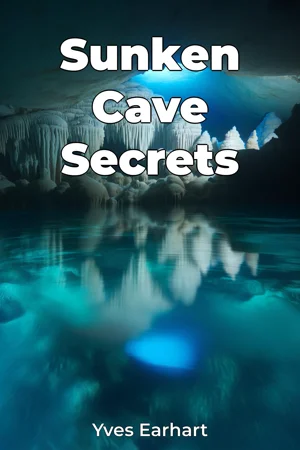
"Sunken Cave Secrets" investigates the hidden world of underwater caves, where geology and marine biology intersect to create some of Earth's least explored environments. The book begins by posing a fundamental question: How do massive underwater cave systems form, and what role do they play in our planet's geological and ecological processes? The text systematically examines three primary areas: the geological mechanisms behind submarine cave formation, the complex mineral deposition processes that shape these environments, and the specialized ecosystems that develop within these underwater caverns. Through detailed analysis of case studies from the Blue Holes of the Bahamas to the cenotes of Mexico's Yucatan Peninsula, readers gain comprehensive insight into these remarkable geological structures. The book presents evidence gathered through advanced sonar mapping, chemical analysis of water samples, and long-term biological surveys. These data sources combine to support the book's central thesis: submarine caves serve as critical indicators of historical sea level changes and provide essential habitats for numerous specialized species, making them vital to both geological research and marine conservation efforts. Divided into three main sections, the book first explores the physical processes of cave formation, including the interaction between limestone dissolution and changing sea levels. The second section examines the complex mineralogy of these environments, detailing how stalactites and stalagmites continue to form underwater. The final section focuses on the unique ecosystems that develop in these light-deprived environments, from microscopic extremophiles to rare crustacean species. The research presented draws from multiple scientific disciplines, including hydrogeology, marine biology, and paleoclimatology. The text incorporates recent findings from submersible expeditions and presents new data on water chemistry patterns within submarine cave systems. Technical concepts are explained through clear diagrams, detailed cross-sections, and high-resolution underwater photography. The book maintains an academic tone while remaining accessible to educated general readers, particularly those interested in earth sciences, marine biology, or cave exploration. Scientific terminology is carefully introduced and explained, allowing readers to build their understanding progressively throughout the text. This work is particularly relevant for marine scientists, geologists, environmental researchers, and cave diving enthusiasts. It provides practical information about cave formation processes, which proves valuable for both scientific research and safe cave diving practices. The scope encompasses both shallow and deep-water cave systems, though it focuses primarily on accessible depths where most research has been conducted. While global in perspective, the book pays special attention to well-documented cave systems that exemplify particular formation processes or biological phenomena. Current debates addressed include the impact of climate change on submarine cave environments and the potential loss of undiscovered species as these systems face increasing environmental pressures. The text presents multiple viewpoints on cave formation theories where scientific consensus remains under discussion. The book connects to climate science through its examination of speleothem records, to marine biology through its study of cave-dwelling organisms, and to hydrogeology through its analysis of underwater aquifer systems. These interdisciplinary connections provide readers with a comprehensive understanding of submarine cave environments and their significance in the broader context of Earth's natural systems. Real-world applications include implications for coastal resource management, guidance for scientific diving operations, and insights into groundwater resource protection. The book serves as both a current scientific reference and a practical guide for understanding these complex underwater systems.
"Sunken Cave Secrets" investigates the hidden world of underwater caves, where geology and marine biology intersect to create some of Earth's least explored environments. The book begins by posing a fundamental question: How do massive underwater cave systems form, and what role do they play in our planet's geological and ecological processes? The text systematically examines three primary areas: the geological mechanisms behind submarine cave formation, the complex mineral deposition processes that shape these environments, and the specialized ecosystems that develop within these underwater caverns. Through detailed analysis of case studies from the Blue Holes of the Bahamas to the cenotes of Mexico's Yucatan Peninsula, readers gain comprehensive insight into these remarkable geological structures. The book presents evidence gathered through advanced sonar mapping, chemical analysis of water samples, and long-term biological surveys. These data sources combine to support the book's central thesis: submarine caves serve as critical indicators of historical sea level changes and provide essential habitats for numerous specialized species, making them vital to both geological research and marine conservation efforts. Divided into three main sections, the book first explores the physical processes of cave formation, including the interaction between limestone dissolution and changing sea levels. The second section examines the complex mineralogy of these environments, detailing how stalactites and stalagmites continue to form underwater. The final section focuses on the unique ecosystems that develop in these light-deprived environments, from microscopic extremophiles to rare crustacean species. The research presented draws from multiple scientific disciplines, including hydrogeology, marine biology, and paleoclimatology. The text incorporates recent findings from submersible expeditions and presents new data on water chemistry patterns within submarine cave systems. Technical concepts are explained through clear diagrams, detailed cross-sections, and high-resolution underwater photography. The book maintains an academic tone while remaining accessible to educated general readers, particularly those interested in earth sciences, marine biology, or cave exploration. Scientific terminology is carefully introduced and explained, allowing readers to build their understanding progressively throughout the text. This work is particularly relevant for marine scientists, geologists, environmental researchers, and cave diving enthusiasts. It provides practical information about cave formation processes, which proves valuable for both scientific research and safe cave diving practices. The scope encompasses both shallow and deep-water cave systems, though it focuses primarily on accessible depths where most research has been conducted. While global in perspective, the book pays special attention to well-documented cave systems that exemplify particular formation processes or biological phenomena. Current debates addressed include the impact of climate change on submarine cave environments and the potential loss of undiscovered species as these systems face increasing environmental pressures. The text presents multiple viewpoints on cave formation theories where scientific consensus remains under discussion. The book connects to climate science through its examination of speleothem records, to marine biology through its study of cave-dwelling organisms, and to hydrogeology through its analysis of underwater aquifer systems. These interdisciplinary connections provide readers with a comprehensive understanding of submarine cave environments and their significance in the broader context of Earth's natural systems. Real-world applications include implications for coastal resource management, guidance for scientific diving operations, and insights into groundwater resource protection. The book serves as both a current scientific reference and a practical guide for understanding these complex underwater systems.
"Sunken Cave Secrets" delves into the fascinating realm of underwater caves, exploring these remarkable geological formations where marine life and rock formations create unique ecosystems beneath the waves. The book expertly weaves together three crucial aspects of submarine caves: their geological formation through limestone dissolution, the intricate mineral deposits that shape them, and the specialized organisms that call these dark caverns home. From the iconic Blue Holes of the Bahamas to Mexico's Yucatan Peninsula cenotes, readers journey through some of Earth's most mysterious underwater environments. Through a combination of advanced sonar mapping, water chemistry analysis, and extensive biological surveys, the book reveals how these submarine caves serve dual roles as both historical climate records and sanctuaries for rare marine species. The text progresses logically from physical cave formation processes to mineralogy, culminating in an exploration of the remarkable ecosystems that thrive in these lightless environments. Technical concepts are made accessible through clear diagrams and stunning underwater photography, making complex scientific principles understandable to both academics and enthusiasts. What sets this book apart is its comprehensive, interdisciplinary approach to understanding submarine caves as indicators of past sea levels and vital marine habitats. By connecting hydrogeology, marine biology, and paleoclimatology, it offers valuable insights for scientists, environmental researchers, and cave diving enthusiasts alike. The work also addresses pressing concerns about climate change impacts on these delicate environments, making it particularly relevant for those interested in marine conservation and coastal resource management.
Book Details
ISBN
9788233939915
Publisher
Publifye AS
Your Licenses
You don't own any licenses for this book
Purchase a license below to unlock this book and download the EPUB.
Purchase License
Select a tier to unlock this book
Need bulk licensing?
Contact us for enterprise agreements.