
About This Book
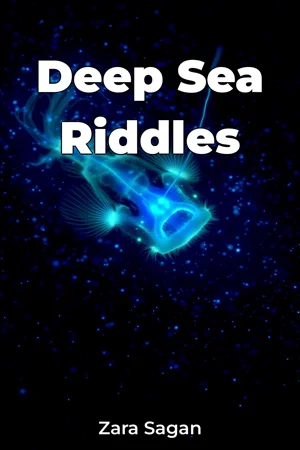
"Deep Sea Riddles" begins with a fundamental question: How do organisms thrive in the most inhospitable depths of our oceans, and what can their adaptations teach us about the limits of life itself? This comprehensive exploration of deep-sea ecosystems reveals the complex interplay between marine life and their extreme environments, offering insights that extend beyond marine biology into evolutionary science, climate studies, and biotechnology. The book examines three primary themes: the physiological adaptations of deep-sea creatures to extreme pressure and darkness, the intricate relationships within deep-sea communities, and the implications of these discoveries for human understanding of life's possibilities. Through detailed analysis of recent scientific expeditions and long-term observational data, readers gain access to current research from international marine science institutions and cutting-edge deep-sea exploration technologies. The narrative structure progresses from the physical challenges of deep-sea environments—including pressure gradients, chemical composition, and light penetration—to the biological solutions evolved by resident species. Specific attention is given to bioluminescence mechanisms, pressure-resistant cellular structures, and unique metabolic pathways that allow organisms to survive in these conditions. The book presents case studies of notable species, from the anglerfish's symbiotic bacterial relationships to the scaly-foot snail's iron-sulfide armor, demonstrating how these adaptations inform our understanding of evolution and biological possibilities. Research methodology sections detail the technical aspects of deep-sea exploration, including the use of remotely operated vehicles (ROVs), pressure-maintaining collection systems, and genetic analysis techniques. This technical information is balanced with accessible explanations of how these tools advance our understanding of marine ecosystems. The interdisciplinary approach connects marine biology with chemistry, showing how deep-sea organisms' pressure adaptations inform industrial applications in biotechnology. Additional connections to geology through hydrothermal vent ecosystems and climate science through deep-sea carbon cycling demonstrate the broader relevance of these studies. Written in a methodical, research-based style, the book maintains scientific accuracy while ensuring accessibility for readers with basic scientific literacy. Technical terms are clearly defined, and complex concepts are supported by diagrams and real-world examples. The target audience includes marine science students, biological researchers, and informed readers interested in ocean sciences. The book serves as both a comprehensive introduction to deep-sea biology and a reference for current research in the field. The content addresses ongoing scientific debates, including the impact of deep-sea mining on unexplored ecosystems and the potential for undiscovered species in abyssal zones. It presents various scientific viewpoints while maintaining focus on verifiable data and peer-reviewed research. Practical applications discussed include biomimetic engineering inspired by deep-sea adaptations, pharmaceutical development from marine compounds, and conservation strategies for deep-sea ecosystems. The book also examines how understanding deep-sea life influences the search for extraterrestrial life and expands our conception of habitable environments. The scope encompasses organisms from mesopelagic to hadal zones, focusing on species and ecosystems documented through direct observation and scientific sampling. While speculative elements of deep-sea biology are acknowledged, the book maintains its foundation in proven scientific findings and peer-reviewed research. Each chapter concludes with implications for marine conservation and future research directions, providing readers with context for ongoing scientific investigations and environmental challenges facing deep-sea ecosystems.
"Deep Sea Riddles" begins with a fundamental question: How do organisms thrive in the most inhospitable depths of our oceans, and what can their adaptations teach us about the limits of life itself? This comprehensive exploration of deep-sea ecosystems reveals the complex interplay between marine life and their extreme environments, offering insights that extend beyond marine biology into evolutionary science, climate studies, and biotechnology. The book examines three primary themes: the physiological adaptations of deep-sea creatures to extreme pressure and darkness, the intricate relationships within deep-sea communities, and the implications of these discoveries for human understanding of life's possibilities. Through detailed analysis of recent scientific expeditions and long-term observational data, readers gain access to current research from international marine science institutions and cutting-edge deep-sea exploration technologies. The narrative structure progresses from the physical challenges of deep-sea environments—including pressure gradients, chemical composition, and light penetration—to the biological solutions evolved by resident species. Specific attention is given to bioluminescence mechanisms, pressure-resistant cellular structures, and unique metabolic pathways that allow organisms to survive in these conditions. The book presents case studies of notable species, from the anglerfish's symbiotic bacterial relationships to the scaly-foot snail's iron-sulfide armor, demonstrating how these adaptations inform our understanding of evolution and biological possibilities. Research methodology sections detail the technical aspects of deep-sea exploration, including the use of remotely operated vehicles (ROVs), pressure-maintaining collection systems, and genetic analysis techniques. This technical information is balanced with accessible explanations of how these tools advance our understanding of marine ecosystems. The interdisciplinary approach connects marine biology with chemistry, showing how deep-sea organisms' pressure adaptations inform industrial applications in biotechnology. Additional connections to geology through hydrothermal vent ecosystems and climate science through deep-sea carbon cycling demonstrate the broader relevance of these studies. Written in a methodical, research-based style, the book maintains scientific accuracy while ensuring accessibility for readers with basic scientific literacy. Technical terms are clearly defined, and complex concepts are supported by diagrams and real-world examples. The target audience includes marine science students, biological researchers, and informed readers interested in ocean sciences. The book serves as both a comprehensive introduction to deep-sea biology and a reference for current research in the field. The content addresses ongoing scientific debates, including the impact of deep-sea mining on unexplored ecosystems and the potential for undiscovered species in abyssal zones. It presents various scientific viewpoints while maintaining focus on verifiable data and peer-reviewed research. Practical applications discussed include biomimetic engineering inspired by deep-sea adaptations, pharmaceutical development from marine compounds, and conservation strategies for deep-sea ecosystems. The book also examines how understanding deep-sea life influences the search for extraterrestrial life and expands our conception of habitable environments. The scope encompasses organisms from mesopelagic to hadal zones, focusing on species and ecosystems documented through direct observation and scientific sampling. While speculative elements of deep-sea biology are acknowledged, the book maintains its foundation in proven scientific findings and peer-reviewed research. Each chapter concludes with implications for marine conservation and future research directions, providing readers with context for ongoing scientific investigations and environmental challenges facing deep-sea ecosystems.
"Deep Sea Riddles" takes readers on a fascinating journey into the mysterious world of deep-sea ecosystems, exploring how life thrives in the ocean's most extreme environments. The book masterfully weaves together cutting-edge research on marine adaptations, from the remarkable bioluminescent capabilities of deep-sea creatures to the extraordinary pressure-resistant mechanisms that allow organisms to survive at crushing depths. Through a methodical progression from physical environmental challenges to biological solutions, the text reveals the intricate relationships between marine life and their harsh surroundings. The book stands out for its comprehensive examination of three key themes: physiological adaptations to extreme conditions, complex community relationships, and the broader implications for our understanding of life's possibilities. Readers discover fascinating examples, such as the anglerfish's unique symbiotic relationship with bacteria and the scaly-foot snail's innovative iron-sulfide armor. These real-world cases demonstrate nature's ingenious solutions to seemingly impossible survival challenges. Moving beyond pure marine biology, the narrative connects deep-sea research to practical applications in biotechnology, climate science, and even the search for extraterrestrial life. The book balances technical accuracy with accessibility, making complex concepts understandable through clear explanations and relevant examples. This approach, combined with its thorough examination of current research methodologies and conservation challenges, makes it an invaluable resource for both students and enthusiasts of marine science.
Book Details
ISBN
9788233939861
Publisher
Publifye AS
Your Licenses
You don't own any licenses for this book
Purchase a license below to unlock this book and download the EPUB.
Purchase License
Select a tier to unlock this book
Need bulk licensing?
Contact us for enterprise agreements.