
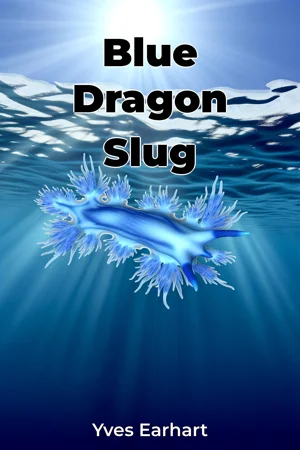
About This Book
"Blue Dragon Slug" unveils the intricate world of Glaucus atlanticus, a pelagic sea slug that has developed one of the most effective predator-to-prey relationships in marine ecosystems. This book examines how this small but capable mollusk navigates the ocean's surface tension, hunts venomous prey, and maintains its population despite challenging oceanic conditions. The text presents three core areas of focus: the slug's unique morphological adaptations, its sophisticated hunting strategies, and its role in marine food webs. Through detailed microscopy studies and field observations, readers discover how the blue dragon slug's finger-like cerata serve dual purposes - locomotion and defense - while its silvery-blue coloration provides camouflage from both above and below the water's surface. A significant portion of the book explores the slug's specialized diet of Portuguese Man-of-War and other cnidarians. The text details the biochemical processes that allow the slug to concentrate and repurpose the stinging cells from its prey, storing them in specialized sacs for its own defense. This adaptation represents a rare example of kleptocnidae in nature, where one organism appropriates the defensive mechanisms of another. The author presents extensive research data from marine biology stations worldwide, including time-lapse photography of hunting behaviors and chemical analysis of the modified venom compounds. These studies reveal how the slug processes and concentrates toxins to become more potent than its prey, making it a formidable predator despite its small size. The book connects multiple scientific disciplines, linking marine biology with biochemistry, evolutionary adaptation, and climate science. It examines how changing ocean conditions affect the distribution and behavior of these organisms, with implications for broader marine ecosystem dynamics. Structured in four main sections, the text progresses from basic morphology through hunting strategies, defensive mechanisms, and ecological significance. Each chapter builds upon previous information, creating a comprehensive understanding of this species' role in marine systems. The writing maintains a technical foundation while remaining accessible to readers with basic scientific literacy. Detailed diagrams, microscopy images, and field photographs support the text's explanations of complex biological processes. The book serves multiple audiences, from marine biology students to professional researchers, offering both fundamental concepts and advanced insights into specialized topics such as venom biochemistry and marine adaptation strategies. The author addresses current debates in marine biology, including questions about the evolution of venom immunity and the impact of microplastic pollution on pelagic organisms. The text examines competing hypotheses about the slug's evolutionary development and discusses emerging research on its potential applications in biochemical research. Practical applications of this research extend to several fields, including the development of new approaches to venom resistance and potential applications in pharmaceutical research. The book also discusses implications for marine conservation and ecosystem management. This work is distinguished by its comprehensive integration of recent research findings, including previously unpublished data on the slug's reproductive cycles and population dynamics. The author maintains objective analysis throughout, focusing on evidence-based conclusions rather than speculation. The book acknowledges its limitations, particularly regarding gaps in current understanding of the species' long-term population trends and the full extent of its geographical distribution. These limitations are presented as opportunities for future research, engaging readers in the ongoing process of scientific discovery.
"Blue Dragon Slug" unveils the intricate world of Glaucus atlanticus, a pelagic sea slug that has developed one of the most effective predator-to-prey relationships in marine ecosystems. This book examines how this small but capable mollusk navigates the ocean's surface tension, hunts venomous prey, and maintains its population despite challenging oceanic conditions. The text presents three core areas of focus: the slug's unique morphological adaptations, its sophisticated hunting strategies, and its role in marine food webs. Through detailed microscopy studies and field observations, readers discover how the blue dragon slug's finger-like cerata serve dual purposes - locomotion and defense - while its silvery-blue coloration provides camouflage from both above and below the water's surface. A significant portion of the book explores the slug's specialized diet of Portuguese Man-of-War and other cnidarians. The text details the biochemical processes that allow the slug to concentrate and repurpose the stinging cells from its prey, storing them in specialized sacs for its own defense. This adaptation represents a rare example of kleptocnidae in nature, where one organism appropriates the defensive mechanisms of another. The author presents extensive research data from marine biology stations worldwide, including time-lapse photography of hunting behaviors and chemical analysis of the modified venom compounds. These studies reveal how the slug processes and concentrates toxins to become more potent than its prey, making it a formidable predator despite its small size. The book connects multiple scientific disciplines, linking marine biology with biochemistry, evolutionary adaptation, and climate science. It examines how changing ocean conditions affect the distribution and behavior of these organisms, with implications for broader marine ecosystem dynamics. Structured in four main sections, the text progresses from basic morphology through hunting strategies, defensive mechanisms, and ecological significance. Each chapter builds upon previous information, creating a comprehensive understanding of this species' role in marine systems. The writing maintains a technical foundation while remaining accessible to readers with basic scientific literacy. Detailed diagrams, microscopy images, and field photographs support the text's explanations of complex biological processes. The book serves multiple audiences, from marine biology students to professional researchers, offering both fundamental concepts and advanced insights into specialized topics such as venom biochemistry and marine adaptation strategies. The author addresses current debates in marine biology, including questions about the evolution of venom immunity and the impact of microplastic pollution on pelagic organisms. The text examines competing hypotheses about the slug's evolutionary development and discusses emerging research on its potential applications in biochemical research. Practical applications of this research extend to several fields, including the development of new approaches to venom resistance and potential applications in pharmaceutical research. The book also discusses implications for marine conservation and ecosystem management. This work is distinguished by its comprehensive integration of recent research findings, including previously unpublished data on the slug's reproductive cycles and population dynamics. The author maintains objective analysis throughout, focusing on evidence-based conclusions rather than speculation. The book acknowledges its limitations, particularly regarding gaps in current understanding of the species' long-term population trends and the full extent of its geographical distribution. These limitations are presented as opportunities for future research, engaging readers in the ongoing process of scientific discovery.
"Blue Dragon Slug" explores the fascinating world of Glaucus atlanticus, a remarkable sea slug that has mastered the art of turning its prey's weapons against them. This small but mighty creature demonstrates one of nature's most sophisticated predator-prey relationships, floating at the ocean's surface while hunting dangerous creatures like the Portuguese Man-of-War. The book reveals how this unique species not only survives but thrives by stealing and repurposing the stinging cells of its prey, making itself even more venomous than its dangerous quarry. Through a combination of detailed microscopy studies and field observations, the text progresses from the slug's basic morphology to its complex hunting strategies and ecological significance. Readers discover how its distinctive finger-like cerata serve dual purposes for movement and defense, while its silvery-blue coloration provides perfect camouflage from predators above and below. The author weaves together multiple scientific disciplines, from marine biology to biochemistry, creating a comprehensive understanding of this remarkable creature's place in marine ecosystems. The book uniquely bridges the gap between technical research and accessible science, making complex biological processes understandable through detailed diagrams and photographs. It examines current debates in marine biology, including the evolution of venom immunity and the impacts of changing ocean conditions on these fascinating creatures. This thorough exploration serves diverse audiences, from curious nature enthusiasts to professional researchers, while highlighting the broader implications for marine conservation and potential applications in pharmaceutical research.
Book Details
ISBN
9788233939823
Publisher
Publifye AS
Your Licenses
You don't own any licenses for this book
Purchase a license below to unlock this book and download the EPUB.
Purchase License
Select a tier to unlock this book
Need bulk licensing?
Contact us for enterprise agreements.