
About This Book
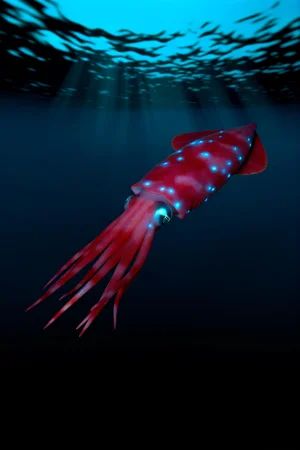
"Giant Squid Data" delves into the scientific pursuit of understanding the ocean's most enigmatic mega-invertebrates, presenting a comprehensive analysis of deep-sea cephalopod research spanning the past century. The book examines how technological advancements have transformed our knowledge of these rarely observed creatures, challenging long-held assumptions about their behavior, biology, and ecological role. The work centers on three primary areas: the methodological challenges of studying deep-sea giants, their biological adaptations, and their ecological significance within marine ecosystems. Through detailed examination of scientific expeditions, specimen analysis, and breakthrough discoveries, the book constructs a data-driven narrative of these elusive creatures. The historical context begins with early accounts from the 1800s, progressing through the development of deep-sea research capabilities to modern DNA analysis and remote sensing technologies. This progression demonstrates how scientific understanding has evolved from myth-based speculation to empirical observation and analysis. The book's central thesis argues that giant cephalopods serve as crucial indicators of deep-ocean ecosystem health and that their study provides vital insights into marine biodiversity and evolution. This argument is supported by extensive research data, including sonar readings, tissue samples, and behavioral observations from remote vehicles. Structured in three main sections, the book first establishes the methodological framework for studying deep-sea giants, then explores their biological characteristics and adaptations, and concludes with their ecological relationships and conservation implications. Each section integrates multiple data sources, including research vessel logs, laboratory analyses, and comparative studies with other marine species. The research presented draws from international scientific expeditions, marine biology databases, and previously unpublished findings from research institutions worldwide. The methodology combines traditional marine biology techniques with cutting-edge genomic analysis and environmental DNA sampling. The work connects marine biology with climate science, evolutionary biology, and conservation ecology, demonstrating how giant cephalopod research influences understanding of ocean systems, species adaptation, and marine ecosystem dynamics. Written in a scientific yet accessible style, the book maintains technical accuracy while ensuring comprehension for readers with basic scientific literacy. The approach emphasizes data interpretation and scientific methodology, allowing readers to understand how researchers draw conclusions from limited observations. The target audience includes marine biology students, ocean science professionals, and informed general readers interested in deep-sea research and marine life. The content serves both as an academic reference and an informative resource for understanding deep-sea research methods. The book acknowledges current limitations in deep-sea research capabilities and addresses ongoing debates about cephalopod intelligence, population dynamics, and the impact of changing ocean conditions on their habitat and behavior. Practical applications include insights for marine conservation efforts, deep-sea research methodology, and understanding the effects of climate change on ocean ecosystems. The work provides frameworks for future research while highlighting areas requiring additional investigation. The scope encompasses both historical records and contemporary research, focusing on species exceeding three meters in length. While primarily centered on giant and colossal squid species, it includes comparative data from other deep-sea cephalopods to provide context. The book addresses scientific controversies regarding population estimates, growth rates, and hunting behavior, presenting multiple hypotheses where definitive conclusions remain elusive. It maintains objectivity by examining competing theories and highlighting the evidence supporting various scientific interpretations.
"Giant Squid Data" delves into the scientific pursuit of understanding the ocean's most enigmatic mega-invertebrates, presenting a comprehensive analysis of deep-sea cephalopod research spanning the past century. The book examines how technological advancements have transformed our knowledge of these rarely observed creatures, challenging long-held assumptions about their behavior, biology, and ecological role. The work centers on three primary areas: the methodological challenges of studying deep-sea giants, their biological adaptations, and their ecological significance within marine ecosystems. Through detailed examination of scientific expeditions, specimen analysis, and breakthrough discoveries, the book constructs a data-driven narrative of these elusive creatures. The historical context begins with early accounts from the 1800s, progressing through the development of deep-sea research capabilities to modern DNA analysis and remote sensing technologies. This progression demonstrates how scientific understanding has evolved from myth-based speculation to empirical observation and analysis. The book's central thesis argues that giant cephalopods serve as crucial indicators of deep-ocean ecosystem health and that their study provides vital insights into marine biodiversity and evolution. This argument is supported by extensive research data, including sonar readings, tissue samples, and behavioral observations from remote vehicles. Structured in three main sections, the book first establishes the methodological framework for studying deep-sea giants, then explores their biological characteristics and adaptations, and concludes with their ecological relationships and conservation implications. Each section integrates multiple data sources, including research vessel logs, laboratory analyses, and comparative studies with other marine species. The research presented draws from international scientific expeditions, marine biology databases, and previously unpublished findings from research institutions worldwide. The methodology combines traditional marine biology techniques with cutting-edge genomic analysis and environmental DNA sampling. The work connects marine biology with climate science, evolutionary biology, and conservation ecology, demonstrating how giant cephalopod research influences understanding of ocean systems, species adaptation, and marine ecosystem dynamics. Written in a scientific yet accessible style, the book maintains technical accuracy while ensuring comprehension for readers with basic scientific literacy. The approach emphasizes data interpretation and scientific methodology, allowing readers to understand how researchers draw conclusions from limited observations. The target audience includes marine biology students, ocean science professionals, and informed general readers interested in deep-sea research and marine life. The content serves both as an academic reference and an informative resource for understanding deep-sea research methods. The book acknowledges current limitations in deep-sea research capabilities and addresses ongoing debates about cephalopod intelligence, population dynamics, and the impact of changing ocean conditions on their habitat and behavior. Practical applications include insights for marine conservation efforts, deep-sea research methodology, and understanding the effects of climate change on ocean ecosystems. The work provides frameworks for future research while highlighting areas requiring additional investigation. The scope encompasses both historical records and contemporary research, focusing on species exceeding three meters in length. While primarily centered on giant and colossal squid species, it includes comparative data from other deep-sea cephalopods to provide context. The book addresses scientific controversies regarding population estimates, growth rates, and hunting behavior, presenting multiple hypotheses where definitive conclusions remain elusive. It maintains objectivity by examining competing theories and highlighting the evidence supporting various scientific interpretations.
"Giant Squid Data" presents a fascinating exploration of the ocean's most mysterious mega-invertebrates, combining historical records with cutting-edge research to illuminate our understanding of deep-sea cephalopods. This comprehensive work traces the evolution of giant squid research from nineteenth-century myths to modern scientific discoveries, showcasing how technological advancements have revolutionized our knowledge of these elusive creatures. The book is thoughtfully organized into three major sections, beginning with research methodology and the challenges of studying deep-sea organisms, then delving into the biological characteristics and adaptations of giant cephalopods, and concluding with their crucial role in marine ecosystems. Through a blend of sonar readings, tissue analysis, and remote vehicle observations, readers gain unprecedented insights into these magnificent creatures' lives. The integration of traditional marine biology techniques with modern genomic analysis and environmental DNA sampling demonstrates the rapid evolution of research capabilities in this field. What sets this work apart is its data-driven approach to understanding giant cephalopods as indicators of ocean ecosystem health. The book expertly weaves together international research findings, previously unpublished data, and current scientific debates while maintaining accessibility for readers with basic scientific literacy. Whether exploring their hunting behavior, growth rates, or responses to changing ocean conditions, the text bridges the gap between academic research and public understanding of these remarkable deep-sea inhabitants.
Book Details
ISBN
9788233939809
Publisher
Publifye AS
Your Licenses
You don't own any licenses for this book
Purchase a license below to unlock this book and download the EPUB.
Purchase License
Select a tier to unlock this book
Need bulk licensing?
Contact us for enterprise agreements.