
About This Book
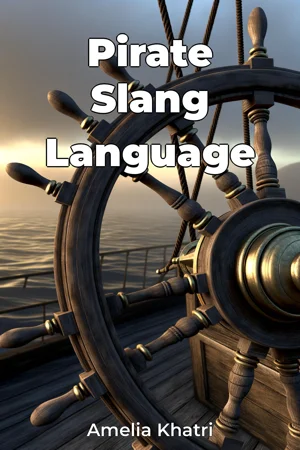
"Pirate Slang Language" explores the linguistic evolution and historical significance of pirate dialect in Northern European waters, particularly focusing on the areas around what is now known as the Netherlands and surrounding regions from the 15th to 18th centuries. The book examines how maritime vocabulary and expressions shaped modern language while revealing the complex social structures of historical pirate communities. The text begins by addressing a fundamental question: How did the distinct linguistic patterns of northern European pirates influence contemporary maritime communication and modern nautical terminology? This investigation serves as the foundation for a detailed analysis of historical documents, ship logs, and court records that illuminate the development of pirate vernacular. The book is structured into three main sections. The first explores the social context of northern European piracy, establishing how geographic isolation and maritime culture created unique communication needs. The second section analyzes specific linguistic elements, including technical terminology, command structures, and informal speech patterns. The final section traces the evolution of these language elements into modern maritime vocabulary and common expressions. Through careful examination of primary sources, including recovered ship manifests and legal documents from Dutch, English, and Scandinavian archives, the book presents evidence of how pirate communities developed specialized vocabulary for navigation, weather conditions, and ship operations. This research is supplemented by linguistic analysis of regional dialects and their influence on pirate communication systems. The text makes significant connections between maritime history, sociolinguistics, and cultural anthropology. It demonstrates how economic conditions and political relationships in Northern Europe influenced the development of specialized maritime vocabulary. The book also explores how pirate communities adapted existing nautical terms and created new expressions to serve their specific needs. Written in an academic yet accessible style, the book combines detailed linguistic analysis with historical narrative. It includes transcribed examples of authentic pirate terminology, complete with contextual explanations and etymology. Maps and diagrams illustrate the geographic spread of various linguistic influences and trade routes that facilitated language exchange. The target audience includes maritime historians, linguistics scholars, and readers interested in historical language development. The book provides valuable insights for researchers studying the evolution of professional jargon and the impact of isolated communities on language development. Special attention is given to the methodological challenges of studying historical pirate language, including the scarcity of written records and the reliability of court transcripts. The book addresses ongoing debates about the authenticity of commonly attributed pirate phrases and expressions, providing evidence-based analysis to separate historical fact from popular fiction. The work concludes by examining how understanding historical pirate language contributes to modern maritime communication protocols and international nautical vocabulary. It demonstrates the practical applications of this historical knowledge in contemporary maritime operations and international shipping communications. Throughout the text, the author maintains objective analysis while challenging common misconceptions about pirate language perpetuated by popular media. The book provides a comprehensive examination of how maritime culture, economic necessity, and social structures combined to create a unique linguistic subset that continues to influence modern nautical communication.
"Pirate Slang Language" explores the linguistic evolution and historical significance of pirate dialect in Northern European waters, particularly focusing on the areas around what is now known as the Netherlands and surrounding regions from the 15th to 18th centuries. The book examines how maritime vocabulary and expressions shaped modern language while revealing the complex social structures of historical pirate communities. The text begins by addressing a fundamental question: How did the distinct linguistic patterns of northern European pirates influence contemporary maritime communication and modern nautical terminology? This investigation serves as the foundation for a detailed analysis of historical documents, ship logs, and court records that illuminate the development of pirate vernacular. The book is structured into three main sections. The first explores the social context of northern European piracy, establishing how geographic isolation and maritime culture created unique communication needs. The second section analyzes specific linguistic elements, including technical terminology, command structures, and informal speech patterns. The final section traces the evolution of these language elements into modern maritime vocabulary and common expressions. Through careful examination of primary sources, including recovered ship manifests and legal documents from Dutch, English, and Scandinavian archives, the book presents evidence of how pirate communities developed specialized vocabulary for navigation, weather conditions, and ship operations. This research is supplemented by linguistic analysis of regional dialects and their influence on pirate communication systems. The text makes significant connections between maritime history, sociolinguistics, and cultural anthropology. It demonstrates how economic conditions and political relationships in Northern Europe influenced the development of specialized maritime vocabulary. The book also explores how pirate communities adapted existing nautical terms and created new expressions to serve their specific needs. Written in an academic yet accessible style, the book combines detailed linguistic analysis with historical narrative. It includes transcribed examples of authentic pirate terminology, complete with contextual explanations and etymology. Maps and diagrams illustrate the geographic spread of various linguistic influences and trade routes that facilitated language exchange. The target audience includes maritime historians, linguistics scholars, and readers interested in historical language development. The book provides valuable insights for researchers studying the evolution of professional jargon and the impact of isolated communities on language development. Special attention is given to the methodological challenges of studying historical pirate language, including the scarcity of written records and the reliability of court transcripts. The book addresses ongoing debates about the authenticity of commonly attributed pirate phrases and expressions, providing evidence-based analysis to separate historical fact from popular fiction. The work concludes by examining how understanding historical pirate language contributes to modern maritime communication protocols and international nautical vocabulary. It demonstrates the practical applications of this historical knowledge in contemporary maritime operations and international shipping communications. Throughout the text, the author maintains objective analysis while challenging common misconceptions about pirate language perpetuated by popular media. The book provides a comprehensive examination of how maritime culture, economic necessity, and social structures combined to create a unique linguistic subset that continues to influence modern nautical communication.
"Pirate Slang Language" delves into the fascinating evolution of maritime linguistics in Northern European waters from the 15th to 18th centuries, focusing on how pirate communities developed and influenced nautical communication. The book reveals how geographic isolation and maritime culture created unique linguistic patterns that continue to shape modern nautical terminology. Through careful examination of ship logs, court records, and recovered manifests from Dutch, English, and Scandinavian archives, readers discover how specialized vocabulary emerged for navigation, weather conditions, and ship operations. The book progresses through three distinct sections, beginning with the social context of northern European piracy and its impact on communication needs. Moving from historical foundations to specific linguistic elements, it examines technical terminology and command structures before tracing their evolution into modern maritime vocabulary. Notable findings include how economic conditions and political relationships influenced the development of specialized maritime terms, challenging popular misconceptions about pirate language perpetuated by modern media. What sets this work apart is its meticulous blend of maritime history, sociolinguistics, and cultural anthropology, supported by authentic historical documents. The academic yet accessible writing style makes complex linguistic concepts understandable while maintaining scholarly integrity. For readers interested in historical language development and maritime culture, the book offers valuable insights into how isolated communities shaped professional jargon and contributed to the international nautical vocabulary we use today.
Book Details
ISBN
9788233939724
Publisher
Publifye AS
Your Licenses
You don't own any licenses for this book
Purchase a license below to unlock this book and download the EPUB.
Purchase License
Select a tier to unlock this book
Need bulk licensing?
Contact us for enterprise agreements.