
About This Book
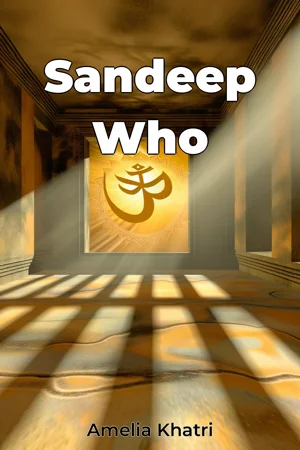
"Sandeep Who" examines the cultural evolution and historical significance of the name Sandeep (also written as Sndeep or Ssndeep) in Indian society, tracing its Sanskrit origins and its journey through centuries of Indian naming traditions. The book delves into how this name became a reflection of India's linguistic diversity and social transformation. The work primarily focuses on three key aspects: the etymological roots of Sandeep, which derives from Sanskrit words meaning "illuminated" or "burning bright," the name's cultural significance across different Indian regions, and its adaptation in modern global contexts. These elements combine to present a broader narrative about Indian naming conventions and their sociological implications. The historical context spans from ancient Vedic periods to contemporary India, examining how Sanskrit-derived names have evolved through religious, colonial, and post-independence periods. The book provides essential background on Indian naming ceremonies, regional variations, and the influence of modernization on traditional naming practices. Central to the book's thesis is the argument that names like Sandeep serve as linguistic markers of India's cultural evolution, reflecting both preservation of tradition and adaptation to global influences. This argument is supported through extensive research in historical records, linguistic databases, and demographic studies across Indian states. The content is structured in three main sections: The first explores the linguistic and religious origins of the name, the second examines its regional variations and cultural significance, and the third analyzes its contemporary usage and future trends. Each section builds upon comprehensive demographic data and historical records from various Indian states. The research methodology combines traditional archival research with modern computational linguistics, utilizing databases from multiple Indian universities and government records. The book incorporates demographic studies spanning five decades and interviews with cultural historians and linguistic experts. The work connects anthropology, linguistics, and sociology, demonstrating how naming patterns reflect broader social changes. It explores the intersection between traditional Indian naming customs and modern global influences, particularly in diasporic communities. Written in an academic yet accessible style, the book maintains a balanced approach between scholarly analysis and narrative storytelling. The target audience includes scholars of Indian culture, linguistics students, and general readers interested in cultural anthropology and naming traditions. The book addresses ongoing debates about the standardization of Indian names in global contexts and the challenges of maintaining traditional naming conventions in an increasingly interconnected world. It acknowledges limitations in historical records pre-dating the colonial period and variations in regional documentation. Practical applications include insights for parents choosing names, scholars studying Indian culture, and professionals working in cross-cultural environments. The work provides context for understanding naming conventions in different Indian regions and their modern interpretations. The book represents a significant contribution to both biographical and historical studies, offering a unique perspective on how personal names reflect broader cultural narratives. It maintains objectivity while examining various interpretations and regional differences in the name's usage and meaning. By focusing on one specific name as a lens for examining larger cultural patterns, the book creates a focused yet comprehensive analysis of Indian naming traditions and their evolution in the modern world. This approach provides readers with both specific insights about the name Sandeep and broader understanding of Indian cultural practices.
"Sandeep Who" examines the cultural evolution and historical significance of the name Sandeep (also written as Sndeep or Ssndeep) in Indian society, tracing its Sanskrit origins and its journey through centuries of Indian naming traditions. The book delves into how this name became a reflection of India's linguistic diversity and social transformation. The work primarily focuses on three key aspects: the etymological roots of Sandeep, which derives from Sanskrit words meaning "illuminated" or "burning bright," the name's cultural significance across different Indian regions, and its adaptation in modern global contexts. These elements combine to present a broader narrative about Indian naming conventions and their sociological implications. The historical context spans from ancient Vedic periods to contemporary India, examining how Sanskrit-derived names have evolved through religious, colonial, and post-independence periods. The book provides essential background on Indian naming ceremonies, regional variations, and the influence of modernization on traditional naming practices. Central to the book's thesis is the argument that names like Sandeep serve as linguistic markers of India's cultural evolution, reflecting both preservation of tradition and adaptation to global influences. This argument is supported through extensive research in historical records, linguistic databases, and demographic studies across Indian states. The content is structured in three main sections: The first explores the linguistic and religious origins of the name, the second examines its regional variations and cultural significance, and the third analyzes its contemporary usage and future trends. Each section builds upon comprehensive demographic data and historical records from various Indian states. The research methodology combines traditional archival research with modern computational linguistics, utilizing databases from multiple Indian universities and government records. The book incorporates demographic studies spanning five decades and interviews with cultural historians and linguistic experts. The work connects anthropology, linguistics, and sociology, demonstrating how naming patterns reflect broader social changes. It explores the intersection between traditional Indian naming customs and modern global influences, particularly in diasporic communities. Written in an academic yet accessible style, the book maintains a balanced approach between scholarly analysis and narrative storytelling. The target audience includes scholars of Indian culture, linguistics students, and general readers interested in cultural anthropology and naming traditions. The book addresses ongoing debates about the standardization of Indian names in global contexts and the challenges of maintaining traditional naming conventions in an increasingly interconnected world. It acknowledges limitations in historical records pre-dating the colonial period and variations in regional documentation. Practical applications include insights for parents choosing names, scholars studying Indian culture, and professionals working in cross-cultural environments. The work provides context for understanding naming conventions in different Indian regions and their modern interpretations. The book represents a significant contribution to both biographical and historical studies, offering a unique perspective on how personal names reflect broader cultural narratives. It maintains objectivity while examining various interpretations and regional differences in the name's usage and meaning. By focusing on one specific name as a lens for examining larger cultural patterns, the book creates a focused yet comprehensive analysis of Indian naming traditions and their evolution in the modern world. This approach provides readers with both specific insights about the name Sandeep and broader understanding of Indian cultural practices.
"Sandeep Who" offers a fascinating exploration of Indian naming traditions through the lens of a single name, revealing how personal names serve as powerful markers of cultural evolution and social transformation. The book traces the journey of the name Sandeep from its Sanskrit origins, meaning "illuminated" or "burning bright," through centuries of Indian history, demonstrating how this seemingly simple name encapsulates complex patterns of linguistic diversity and cultural adaptation. The narrative unfolds across three distinct sections, beginning with an examination of the name's linguistic and religious roots in ancient Vedic periods. Through meticulous research combining traditional archival studies with modern computational linguistics, the book reveals how Sanskrit-derived names have evolved through religious, colonial, and post-independence periods. The analysis extends beyond mere etymology to explore regional variations, cultural significance, and the impact of modernization on traditional naming practices. What makes this work particularly valuable is its unique approach to understanding broader cultural patterns through the microscopic study of a single name. By weaving together anthropology, linguistics, and sociology, the book illuminates how naming traditions reflect India's journey from ancient times to the contemporary global era. The author's balanced blend of scholarly analysis and narrative storytelling makes complex cultural concepts accessible to both academic researchers and general readers interested in cultural anthropology and Indian heritage.
Book Details
ISBN
9788233939717
Publisher
Publifye AS
Your Licenses
You don't own any licenses for this book
Purchase a license below to unlock this book and download the EPUB.
Purchase License
Select a tier to unlock this book
Need bulk licensing?
Contact us for enterprise agreements.