
About This Book
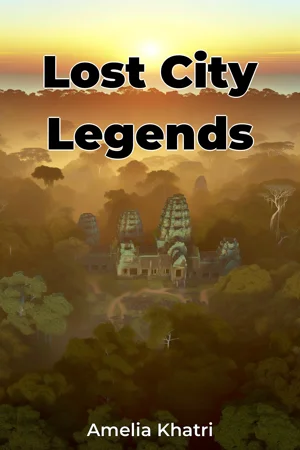
"Lost City Legends" examines the intersection of archaeological evidence, historical records, and geological data to uncover the truth behind humanity's most persistent lost city narratives. From the sunken streets of Heracleion to the jungle-shrouded temples of Angkor, this comprehensive analysis separates documented facts from cultural mythology. The book presents three core areas of investigation: the geological and environmental factors that led to cities' abandonment or destruction, the historical documentation that preserved their memory, and the modern archaeological methods revealing new insights about these locations. Through careful examination of primary sources, archaeological reports, and recent technological surveys, readers discover how lost cities transform from historical sites to cultural touchstones. Drawing from decades of research across multiple disciplines, the work explores how natural disasters, climate change, economic collapse, and human conflict contributed to the abandonment of once-thriving urban centers. The text analyzes specific cases including Petra's transition from bustling trade hub to hidden desert treasure, Troy's multiple layers of civilization, and Machu Picchu's sophisticated urban planning and eventual abandonment. The book is structured in three main sections. The first establishes the scientific methodology used to locate and study lost cities, including satellite imagery, ground-penetrating radar, and underwater archaeology. The second section presents detailed case studies of ten significant lost cities, examining their rise, fall, and rediscovery. The final section analyzes common patterns in urban collapse and preservation, offering insights into current urban sustainability challenges. Supporting evidence comes from multiple sources: archaeological excavation reports, historical documents, geological surveys, climate records, and architectural analysis. The research incorporates recent findings from international archaeological teams and advanced technological surveys, providing readers with current scientific understanding of these sites. The work connects archaeology with urban planning, environmental science, and social history. It demonstrates how the study of lost cities informs modern understanding of urban resilience, climate adaptation, and sustainable development. The analysis reveals patterns relevant to contemporary urban planning and environmental protection. Written in an academic yet accessible style, the book maintains scholarly rigor while engaging general readers interested in archaeology, history, and urban development. Each chapter includes detailed maps, architectural reconstructions, and photographs documenting both historical evidence and modern archaeological work. The target audience includes archaeology enthusiasts, urban planners, historians, and readers interested in the intersection of human civilization and environmental changes. The book serves as both a comprehensive reference and an engaging narrative of human adaptation and resilience. Within the Earth Sciences and Geography genre, the work adheres to scientific methodology while incorporating historical context. It addresses ongoing debates about the role of climate change in urban abandonment and the reliability of historical accounts in locating lost sites. The scope encompasses lost cities from six continents, focusing on sites with sufficient archaeological evidence to support detailed analysis. The book acknowledges speculation where evidence is limited, maintaining clear distinction between proven facts and theoretical reconstructions. Current applications include urban planning insights, archaeological research methodologies, and cultural resource management strategies. The work contributes to discussions about urban sustainability and the impact of environmental changes on human settlements. The book addresses controversies surrounding archaeological interpretation, indigenous rights, and the balance between tourism and preservation. It presents multiple viewpoints on disputed topics while maintaining focus on verifiable evidence and scientific analysis.
"Lost City Legends" examines the intersection of archaeological evidence, historical records, and geological data to uncover the truth behind humanity's most persistent lost city narratives. From the sunken streets of Heracleion to the jungle-shrouded temples of Angkor, this comprehensive analysis separates documented facts from cultural mythology. The book presents three core areas of investigation: the geological and environmental factors that led to cities' abandonment or destruction, the historical documentation that preserved their memory, and the modern archaeological methods revealing new insights about these locations. Through careful examination of primary sources, archaeological reports, and recent technological surveys, readers discover how lost cities transform from historical sites to cultural touchstones. Drawing from decades of research across multiple disciplines, the work explores how natural disasters, climate change, economic collapse, and human conflict contributed to the abandonment of once-thriving urban centers. The text analyzes specific cases including Petra's transition from bustling trade hub to hidden desert treasure, Troy's multiple layers of civilization, and Machu Picchu's sophisticated urban planning and eventual abandonment. The book is structured in three main sections. The first establishes the scientific methodology used to locate and study lost cities, including satellite imagery, ground-penetrating radar, and underwater archaeology. The second section presents detailed case studies of ten significant lost cities, examining their rise, fall, and rediscovery. The final section analyzes common patterns in urban collapse and preservation, offering insights into current urban sustainability challenges. Supporting evidence comes from multiple sources: archaeological excavation reports, historical documents, geological surveys, climate records, and architectural analysis. The research incorporates recent findings from international archaeological teams and advanced technological surveys, providing readers with current scientific understanding of these sites. The work connects archaeology with urban planning, environmental science, and social history. It demonstrates how the study of lost cities informs modern understanding of urban resilience, climate adaptation, and sustainable development. The analysis reveals patterns relevant to contemporary urban planning and environmental protection. Written in an academic yet accessible style, the book maintains scholarly rigor while engaging general readers interested in archaeology, history, and urban development. Each chapter includes detailed maps, architectural reconstructions, and photographs documenting both historical evidence and modern archaeological work. The target audience includes archaeology enthusiasts, urban planners, historians, and readers interested in the intersection of human civilization and environmental changes. The book serves as both a comprehensive reference and an engaging narrative of human adaptation and resilience. Within the Earth Sciences and Geography genre, the work adheres to scientific methodology while incorporating historical context. It addresses ongoing debates about the role of climate change in urban abandonment and the reliability of historical accounts in locating lost sites. The scope encompasses lost cities from six continents, focusing on sites with sufficient archaeological evidence to support detailed analysis. The book acknowledges speculation where evidence is limited, maintaining clear distinction between proven facts and theoretical reconstructions. Current applications include urban planning insights, archaeological research methodologies, and cultural resource management strategies. The work contributes to discussions about urban sustainability and the impact of environmental changes on human settlements. The book addresses controversies surrounding archaeological interpretation, indigenous rights, and the balance between tourism and preservation. It presents multiple viewpoints on disputed topics while maintaining focus on verifiable evidence and scientific analysis.
"Lost City Legends" masterfully weaves together archaeological discoveries, historical records, and geological evidence to explore humanity's most enigmatic abandoned urban centers. This comprehensive work delves into the fascinating stories behind legendary lost cities, from the submerged ruins of Heracleion to the magnificent temples of Angkor, while carefully distinguishing historical facts from cultural myths. Through a methodical analysis of archaeological data, historical documents, and cutting-edge technological surveys, the book reveals how these once-thriving metropolises transformed from bustling centers of civilization into mysterious archaeological sites. The book's three-part structure guides readers through the scientific methods used to locate and study lost cities, followed by detailed case studies of ten significant sites, including Petra and Machu Picchu. Each investigation examines how factors such as natural disasters, climate change, and economic collapse contributed to these cities' abandonment. Particularly intriguing is the exploration of Troy's multiple civilization layers and Petra's evolution from a vibrant trade hub to a hidden desert wonder, demonstrating the complex interplay between human society and environmental forces. The work's unique value lies in its interdisciplinary approach, connecting ancient urban planning insights with contemporary challenges in sustainability and climate adaptation. By incorporating recent archaeological findings and technological advances, the book offers readers a current scientific understanding while maintaining accessibility for general audiences interested in archaeology and urban history. This blend of academic rigor and engaging narrative makes complex archaeological concepts accessible while providing valuable insights into urban resilience and environmental adaptation that remain relevant today.
Book Details
ISBN
9788233939557
Publisher
Publifye AS
Your Licenses
You don't own any licenses for this book
Purchase a license below to unlock this book and download the EPUB.
Purchase License
Select a tier to unlock this book
Need bulk licensing?
Contact us for enterprise agreements.