
About This Book
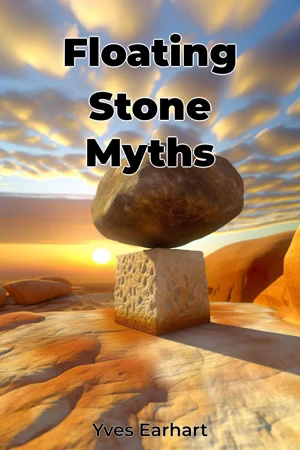
"Floating Stone Myths" examines seemingly gravity-defying rock formations across global landscapes, analyzing the geological processes, physical principles, and cultural interpretations that surround these natural phenomena. The book addresses the intersection of scientific understanding and folklore while dispelling common misconceptions about these distinctive geological features. The text begins by introducing readers to notable examples, including the Balanced Rock in Garden of the Gods, Colorado, and the Krishna's Butter Ball in Mahabalipuram, India. These formations serve as entry points to explore the fundamental concepts of erosion, weathering, and geological time scales that create such structures. Through three main sections, the book systematically explores the physical mechanisms behind these formations. The first part examines the geological processes of differential erosion and the role of rock composition in creating balanced formations. The second section analyzes the physics of mass distribution and center of gravity, explaining how these principles allow massive boulders to maintain precarious positions. The final section investigates human interactions with these formations, from ancient cultural interpretations to modern conservation efforts. The research draws from multiple scientific disciplines, incorporating geological surveys, weathering studies, and structural analysis data. The author presents findings from international research teams and includes detailed case studies of over fifty significant formations across six continents. These studies utilize advanced imaging techniques and long-term stability monitoring to understand formation dynamics. The book connects geology with cultural anthropology, engineering principles, and environmental science. This interdisciplinary approach demonstrates how these formations influence local cultures, challenge engineering assumptions, and serve as indicators of climate change impacts on landscape evolution. The writing maintains an academic foundation while remaining accessible to educated general readers. Technical concepts are carefully explained through practical examples and visual aids, including cross-sectional diagrams and time-lapse photography of erosion processes. This work is particularly relevant for earth science students, geologists, environmental scientists, and educated readers interested in natural phenomena. It provides practical knowledge for field identification and assessment of similar formations, while offering insights into preservation strategies for these geological features. The text addresses ongoing debates in the field, including discussions about the rate of erosion in different climates and the impact of human activity on formation stability. It examines controversial topics such as the role of tourism in accelerating degradation and the balance between public access and preservation. Rather than simply cataloging these formations, the book presents a comprehensive framework for understanding their creation, maintenance, and eventual transformation. It includes detailed protocols for studying similar formations and guidelines for responsible site management. The scope encompasses both well-known and lesser-documented formations, though it primarily focuses on accessible examples that readers can potentially visit and observe. The author acknowledges gaps in current understanding, particularly regarding long-term stability predictions and the effects of changing climate patterns on these structures. The book concludes by examining current conservation challenges and future research directions, emphasizing the importance of these formations as natural laboratories for studying geological processes and as cultural heritage sites requiring protection. This work serves as both a scientific reference and a practical guide, offering readers the tools to understand, identify, and appreciate these distinctive geological features while contributing to their preservation for future generations.
"Floating Stone Myths" examines seemingly gravity-defying rock formations across global landscapes, analyzing the geological processes, physical principles, and cultural interpretations that surround these natural phenomena. The book addresses the intersection of scientific understanding and folklore while dispelling common misconceptions about these distinctive geological features. The text begins by introducing readers to notable examples, including the Balanced Rock in Garden of the Gods, Colorado, and the Krishna's Butter Ball in Mahabalipuram, India. These formations serve as entry points to explore the fundamental concepts of erosion, weathering, and geological time scales that create such structures. Through three main sections, the book systematically explores the physical mechanisms behind these formations. The first part examines the geological processes of differential erosion and the role of rock composition in creating balanced formations. The second section analyzes the physics of mass distribution and center of gravity, explaining how these principles allow massive boulders to maintain precarious positions. The final section investigates human interactions with these formations, from ancient cultural interpretations to modern conservation efforts. The research draws from multiple scientific disciplines, incorporating geological surveys, weathering studies, and structural analysis data. The author presents findings from international research teams and includes detailed case studies of over fifty significant formations across six continents. These studies utilize advanced imaging techniques and long-term stability monitoring to understand formation dynamics. The book connects geology with cultural anthropology, engineering principles, and environmental science. This interdisciplinary approach demonstrates how these formations influence local cultures, challenge engineering assumptions, and serve as indicators of climate change impacts on landscape evolution. The writing maintains an academic foundation while remaining accessible to educated general readers. Technical concepts are carefully explained through practical examples and visual aids, including cross-sectional diagrams and time-lapse photography of erosion processes. This work is particularly relevant for earth science students, geologists, environmental scientists, and educated readers interested in natural phenomena. It provides practical knowledge for field identification and assessment of similar formations, while offering insights into preservation strategies for these geological features. The text addresses ongoing debates in the field, including discussions about the rate of erosion in different climates and the impact of human activity on formation stability. It examines controversial topics such as the role of tourism in accelerating degradation and the balance between public access and preservation. Rather than simply cataloging these formations, the book presents a comprehensive framework for understanding their creation, maintenance, and eventual transformation. It includes detailed protocols for studying similar formations and guidelines for responsible site management. The scope encompasses both well-known and lesser-documented formations, though it primarily focuses on accessible examples that readers can potentially visit and observe. The author acknowledges gaps in current understanding, particularly regarding long-term stability predictions and the effects of changing climate patterns on these structures. The book concludes by examining current conservation challenges and future research directions, emphasizing the importance of these formations as natural laboratories for studying geological processes and as cultural heritage sites requiring protection. This work serves as both a scientific reference and a practical guide, offering readers the tools to understand, identify, and appreciate these distinctive geological features while contributing to their preservation for future generations.
"Floating Stone Myths" delves into the fascinating world of gravity-defying rock formations, exploring how natural processes create and maintain these remarkable geological features that have captivated cultures worldwide. The book expertly weaves together scientific understanding with cultural significance, examining famous examples like Colorado's Balanced Rock and India's Krishna's Butter Ball while explaining the complex interplay of erosion, weathering, and geological forces that shape these formations. Through a systematic exploration divided into three main sections, readers journey from the fundamental geological processes of differential erosion to the physics of mass distribution, and finally to the human relationship with these natural wonders. The text illuminates how these precarious-looking formations maintain their stability through precise natural balance, while also addressing their role in various cultures and the pressing need for their conservation. Advanced research techniques, including imaging technology and long-term stability monitoring, provide readers with cutting-edge insights into these geological marvels. What sets this book apart is its interdisciplinary approach, combining earth sciences with cultural anthropology and environmental conservation. While maintaining academic rigor, it presents complex concepts through accessible language and practical examples, making it valuable for both scientists and educated general readers. The book serves as both a comprehensive scientific reference and a practical guide for understanding and preserving these unique geological features, complete with protocols for study and guidelines for responsible site management.
Book Details
ISBN
9788233939502
Publisher
Publifye AS
Your Licenses
You don't own any licenses for this book
Purchase a license below to unlock this book and download the EPUB.
Purchase License
Select a tier to unlock this book
Need bulk licensing?
Contact us for enterprise agreements.