
About This Book
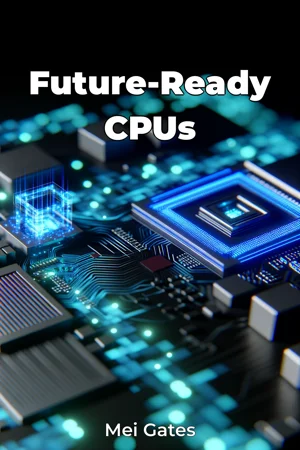
"Future-Ready CPUs" delves into the transformation of modern computing through the lens of advanced central processing units, examining how contemporary processor architectures are reshaping computational capabilities and digital innovation. The book presents three fundamental pillars: the evolution of processor architecture, the integration of artificial intelligence in CPU design, and the impact of quantum-inspired computing elements on traditional processors. These topics form the foundation for understanding how current and emerging CPU technologies are addressing the increasing demands of data-intensive applications and complex computational tasks. Starting with a historical perspective from the first microprocessors to current-generation chips, the book establishes the context of CPU development. It explains core computing concepts like instruction set architecture, pipeline processing, and cache hierarchy, providing readers with essential background knowledge for understanding modern advancements. The central thesis argues that the convergence of classical computing architecture with new processing paradigms is creating a fundamental shift in how CPUs handle information. This shift enables processing capabilities that were previously unfeasible, particularly in areas such as real-time data analysis and parallel computing. The content progresses through three major sections. The first examines the architectural innovations in current-generation CPUs, including advanced pipeline designs and neural processing units. The second section explores how machine learning algorithms are being integrated into CPU architecture. The final section discusses the practical implications of these advancements for various industries and applications. Supporting evidence includes benchmark data from major processor manufacturers, case studies of implemented solutions, and research findings from leading computer science institutions. The book incorporates technical specifications, performance metrics, and comparative analyses of different CPU architectures. The work connects computing architecture with fields such as materials science, discussing how semiconductor advances enable new CPU capabilities, and cognitive science, exploring how processor design is influenced by understanding of neural networks. These interdisciplinary connections provide a comprehensive view of CPU development. The book employs a structured, technical approach while maintaining accessibility through clear explanations and practical examples. It addresses both technical professionals and technology enthusiasts, making complex concepts understandable without oversimplifying the subject matter. The target audience includes computer engineers, software developers, IT professionals, and technology decision-makers who need to understand the implications of CPU advancement for their work and planning. Students in computer science and related fields will find it valuable for understanding modern computing architecture. The scope encompasses current commercial CPU technologies and near-future developments, while acknowledging that some bleeding-edge research topics are still theoretical. The book focuses on practical implementations rather than speculative technologies. Real-world applications are emphasized through case studies in data centers, mobile computing, and enterprise systems. The book addresses ongoing debates about the future of Moore's Law, the role of specialized processors versus general-purpose CPUs, and the environmental impact of increasing computing power. The work maintains technical accuracy while presenting information in a logical, structured manner, avoiding sensationalism in favor of substantiated facts and practical insights. It provides readers with both theoretical understanding and actionable knowledge for working with current and upcoming CPU technologies.
"Future-Ready CPUs" delves into the transformation of modern computing through the lens of advanced central processing units, examining how contemporary processor architectures are reshaping computational capabilities and digital innovation. The book presents three fundamental pillars: the evolution of processor architecture, the integration of artificial intelligence in CPU design, and the impact of quantum-inspired computing elements on traditional processors. These topics form the foundation for understanding how current and emerging CPU technologies are addressing the increasing demands of data-intensive applications and complex computational tasks. Starting with a historical perspective from the first microprocessors to current-generation chips, the book establishes the context of CPU development. It explains core computing concepts like instruction set architecture, pipeline processing, and cache hierarchy, providing readers with essential background knowledge for understanding modern advancements. The central thesis argues that the convergence of classical computing architecture with new processing paradigms is creating a fundamental shift in how CPUs handle information. This shift enables processing capabilities that were previously unfeasible, particularly in areas such as real-time data analysis and parallel computing. The content progresses through three major sections. The first examines the architectural innovations in current-generation CPUs, including advanced pipeline designs and neural processing units. The second section explores how machine learning algorithms are being integrated into CPU architecture. The final section discusses the practical implications of these advancements for various industries and applications. Supporting evidence includes benchmark data from major processor manufacturers, case studies of implemented solutions, and research findings from leading computer science institutions. The book incorporates technical specifications, performance metrics, and comparative analyses of different CPU architectures. The work connects computing architecture with fields such as materials science, discussing how semiconductor advances enable new CPU capabilities, and cognitive science, exploring how processor design is influenced by understanding of neural networks. These interdisciplinary connections provide a comprehensive view of CPU development. The book employs a structured, technical approach while maintaining accessibility through clear explanations and practical examples. It addresses both technical professionals and technology enthusiasts, making complex concepts understandable without oversimplifying the subject matter. The target audience includes computer engineers, software developers, IT professionals, and technology decision-makers who need to understand the implications of CPU advancement for their work and planning. Students in computer science and related fields will find it valuable for understanding modern computing architecture. The scope encompasses current commercial CPU technologies and near-future developments, while acknowledging that some bleeding-edge research topics are still theoretical. The book focuses on practical implementations rather than speculative technologies. Real-world applications are emphasized through case studies in data centers, mobile computing, and enterprise systems. The book addresses ongoing debates about the future of Moore's Law, the role of specialized processors versus general-purpose CPUs, and the environmental impact of increasing computing power. The work maintains technical accuracy while presenting information in a logical, structured manner, avoiding sensationalism in favor of substantiated facts and practical insights. It provides readers with both theoretical understanding and actionable knowledge for working with current and upcoming CPU technologies.
"Future-Ready CPUs" offers a comprehensive exploration of modern processor architecture and its evolving role in shaping digital innovation. The book skillfully navigates through three core areas: traditional processor evolution, AI integration in CPU design, and the emergence of quantum-inspired computing elements. Through clear explanations and practical examples, it demonstrates how contemporary CPUs are meeting the growing demands of data-intensive applications and complex computational tasks. The book's unique approach combines historical context with cutting-edge developments, beginning with the fundamentals of instruction set architecture and pipeline processing before advancing to more sophisticated concepts. Readers gain valuable insights into how neural processing units and advanced pipeline designs are revolutionizing CPU capabilities. Particularly fascinating is the examination of how machine learning algorithms are being directly integrated into processor architecture, enabling unprecedented computing capabilities that were previously impossible. Moving from theoretical foundations to practical applications, the final section explores real-world implementations across various industries. The content is enriched with benchmark data from major manufacturers and case studies from data centers and enterprise systems, making it especially valuable for computer engineers, software developers, and IT professionals. By connecting computing architecture with materials science and cognitive science, the book provides a holistic understanding of CPU advancement while maintaining technical accuracy and accessibility.
Book Details
ISBN
9788233939458
Publisher
Publifye AS
Your Licenses
You don't own any licenses for this book
Purchase a license below to unlock this book and download the EPUB.
Purchase License
Select a tier to unlock this book
Need bulk licensing?
Contact us for enterprise agreements.