
About This Book
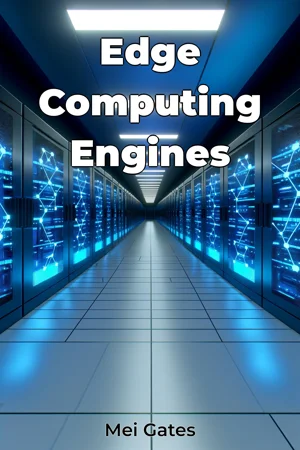
"Edge Computing Engines" addresses a fundamental shift in data processing architecture that is reshaping how modern computing systems operate. As network-connected devices proliferate across industries, the traditional model of sending all data to centralized cloud servers faces increasing limitations in terms of latency, bandwidth, and real-time processing requirements. The book presents three core topics: the evolution of distributed computing architectures, the technical foundations of edge computing systems, and the implementation strategies for deploying edge computing solutions. These subjects are particularly relevant as organizations seek to process data closer to its source, reducing network strain and enabling faster decision-making capabilities. The work provides essential context by tracing the progression from centralized mainframes through client-server architectures to cloud computing, establishing the historical foundation for edge computing's emergence. Readers are introduced to fundamental networking concepts and distributed systems theory, ensuring a comprehensive understanding of the technical underpinnings. The central thesis argues that edge computing represents not merely a technological advancement but a necessary paradigm shift in how we process and manage data in an increasingly connected world. This shift is driven by the growing demand for real-time processing, data privacy requirements, and the need for resilient, autonomous systems. The content is structured in three main sections. The first explores edge computing architecture and its core components, including edge nodes, gateway devices, and local processing units. The second section examines data flow optimization and processing algorithms specific to edge environments. The final section addresses practical deployment considerations, including security frameworks, resource management, and integration with existing infrastructure. The book draws on research from academic institutions, industry implementations, and case studies from sectors including manufacturing, healthcare, and smart cities. Technical specifications and performance metrics from actual edge computing deployments provide empirical support for the presented concepts. Interdisciplinary connections are established with fields such as artificial intelligence, where edge computing enables local model inference, and Internet of Things (IoT) systems, where edge processing reduces data transmission requirements. The book also explores connections with energy management and telecommunications infrastructure. The writing maintains a technical yet accessible tone, using precise language and clear explanations suitable for IT professionals, system architects, and technical decision-makers. While complex concepts are thoroughly explained, the focus remains on practical implementation and real-world applications. The target audience includes IT architects, systems engineers, and technology strategists who need to understand and implement edge computing solutions. The book serves both as a comprehensive reference and a practical guide for organizations transitioning to edge computing architectures. Current debates addressed include edge vs. cloud processing trade-offs, standardization efforts in edge computing protocols, and security implications of distributed processing environments. The book takes a balanced approach to these discussions, presenting multiple viewpoints and their technical merits. The scope encompasses both theoretical foundations and practical implementations, though it intentionally limits coverage of specific vendor solutions to focus on vendor-neutral principles and approaches. The material emphasizes scalable, enterprise-level implementations while acknowledging the relevance to smaller-scale deployments. Real-world applications detailed in the book include predictive maintenance systems, autonomous vehicle networks, and smart manufacturing environments. These examples demonstrate how edge computing principles can be applied to solve specific business and technical challenges. This comprehensive examination of edge computing engines provides readers with both the theoretical understanding and practical knowledge needed to evaluate, plan, and implement edge computing solutions in their own environments.
"Edge Computing Engines" addresses a fundamental shift in data processing architecture that is reshaping how modern computing systems operate. As network-connected devices proliferate across industries, the traditional model of sending all data to centralized cloud servers faces increasing limitations in terms of latency, bandwidth, and real-time processing requirements. The book presents three core topics: the evolution of distributed computing architectures, the technical foundations of edge computing systems, and the implementation strategies for deploying edge computing solutions. These subjects are particularly relevant as organizations seek to process data closer to its source, reducing network strain and enabling faster decision-making capabilities. The work provides essential context by tracing the progression from centralized mainframes through client-server architectures to cloud computing, establishing the historical foundation for edge computing's emergence. Readers are introduced to fundamental networking concepts and distributed systems theory, ensuring a comprehensive understanding of the technical underpinnings. The central thesis argues that edge computing represents not merely a technological advancement but a necessary paradigm shift in how we process and manage data in an increasingly connected world. This shift is driven by the growing demand for real-time processing, data privacy requirements, and the need for resilient, autonomous systems. The content is structured in three main sections. The first explores edge computing architecture and its core components, including edge nodes, gateway devices, and local processing units. The second section examines data flow optimization and processing algorithms specific to edge environments. The final section addresses practical deployment considerations, including security frameworks, resource management, and integration with existing infrastructure. The book draws on research from academic institutions, industry implementations, and case studies from sectors including manufacturing, healthcare, and smart cities. Technical specifications and performance metrics from actual edge computing deployments provide empirical support for the presented concepts. Interdisciplinary connections are established with fields such as artificial intelligence, where edge computing enables local model inference, and Internet of Things (IoT) systems, where edge processing reduces data transmission requirements. The book also explores connections with energy management and telecommunications infrastructure. The writing maintains a technical yet accessible tone, using precise language and clear explanations suitable for IT professionals, system architects, and technical decision-makers. While complex concepts are thoroughly explained, the focus remains on practical implementation and real-world applications. The target audience includes IT architects, systems engineers, and technology strategists who need to understand and implement edge computing solutions. The book serves both as a comprehensive reference and a practical guide for organizations transitioning to edge computing architectures. Current debates addressed include edge vs. cloud processing trade-offs, standardization efforts in edge computing protocols, and security implications of distributed processing environments. The book takes a balanced approach to these discussions, presenting multiple viewpoints and their technical merits. The scope encompasses both theoretical foundations and practical implementations, though it intentionally limits coverage of specific vendor solutions to focus on vendor-neutral principles and approaches. The material emphasizes scalable, enterprise-level implementations while acknowledging the relevance to smaller-scale deployments. Real-world applications detailed in the book include predictive maintenance systems, autonomous vehicle networks, and smart manufacturing environments. These examples demonstrate how edge computing principles can be applied to solve specific business and technical challenges. This comprehensive examination of edge computing engines provides readers with both the theoretical understanding and practical knowledge needed to evaluate, plan, and implement edge computing solutions in their own environments.
"Edge Computing Engines" explores the revolutionary shift from centralized cloud computing to edge-based data processing, addressing the growing need for faster, more efficient handling of data in our increasingly connected world. This comprehensive guide examines how processing information closer to its source—at the network's edge—can overcome traditional limitations in latency, bandwidth, and real-time processing capabilities, particularly crucial for IoT devices and modern distributed systems. The book progresses through three major sections, beginning with the evolution of distributed computing and fundamental architecture components like edge nodes and gateway devices. It then delves into specialized processing algorithms and data flow optimization techniques before concluding with practical deployment considerations, including security frameworks and infrastructure integration. Through real-world examples from manufacturing, healthcare, and smart cities, readers gain concrete insights into how edge computing solves critical business challenges. What sets this work apart is its balanced approach to both theoretical foundations and practical implementation, making it invaluable for IT architects and system engineers. Rather than focusing on vendor-specific solutions, it emphasizes universal principles and approaches, supported by empirical data from actual deployments. The book's technical yet accessible tone, combined with its comprehensive examination of emerging trends like AI integration and IoT systems, provides professionals with the knowledge needed to navigate the transition to edge computing architectures.
Book Details
ISBN
9788233939366
Publisher
Publifye AS
Your Licenses
You don't own any licenses for this book
Purchase a license below to unlock this book and download the EPUB.
Purchase License
Select a tier to unlock this book
Need bulk licensing?
Contact us for enterprise agreements.