
About This Book
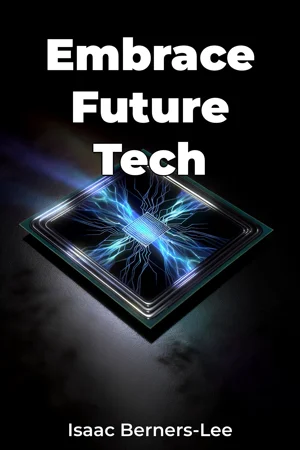
"Embrace Future Tech" examines the transformative hardware innovations that will define personal computing in the coming decade. The book opens by addressing a critical question: How will quantum computing and neuromorphic processors reshape our daily interaction with technology? The text explores three primary developments: quantum processing units (QPUs), advanced neural processing units (NPUs), and molecular storage systems. These technologies represent fundamental shifts in computing architecture, moving beyond traditional silicon-based processors and establishing new paradigms for data processing and storage. The book provides essential context by tracing the evolution of computing hardware from vacuum tubes to modern semiconductors, offering readers a foundation to understand current technological inflection points. This historical perspective illuminates why current limitations in traditional computing are driving innovation toward quantum and biological-inspired solutions. Central to the book's thesis is that the convergence of these technologies will create a new computing paradigm that combines the massive parallel processing capabilities of quantum systems with the energy efficiency of brain-inspired architectures. This synthesis will enable applications previously confined to theoretical research. The content is structured in three main sections: 1. Quantum Computing Hardware: Covering superconducting circuits, ion traps, and photonic systems 2. Neuromorphic Engineering: Examining silicon neurons, memristive devices, and synthetic synapses 3. Integration and Applications: Analyzing hybrid systems and practical implementations Supporting evidence includes research data from leading laboratories, industry prototypes, and academic publications. The book features exclusive interviews with hardware engineers and scientists from major technology companies and research institutions, providing insider perspectives on development challenges and solutions. The work connects computing hardware advances to fields including: - Materials science: Through the development of new quantum-compatible materials - Neuroscience: Via the implementation of brain-inspired computing architectures - Energy systems: Through the creation of more efficient computing paradigms The book's unique approach lies in its integration of theoretical principles with practical engineering considerations, addressing both the potential and limitations of emerging technologies. The writing style maintains technical accuracy while remaining accessible to readers with basic technology knowledge. Target readers include technology professionals, computer engineers, and informed enthusiasts seeking to understand how hardware advances will influence computing capabilities. The content adheres to technology genre conventions by including technical specifications, architectural diagrams, and performance comparisons. The scope encompasses current research and development activities while extending to predicted implementations within the next decade. The book addresses ongoing debates regarding quantum supremacy claims and the practical viability of neuromorphic systems for general-purpose computing. Practical applications discussed include: - Enhanced cryptography and security systems - Advanced medical imaging processing - Climate modeling and simulation - Financial market analysis - Artificial intelligence acceleration The work maintains objectivity when discussing competing hardware architectures and development approaches, acknowledging technical challenges while highlighting promising solutions. It provides readers with evaluation frameworks to assess future technology announcements and developments in the field. This comprehensive examination of computing hardware evolution offers professionals and enthusiasts alike the knowledge needed to understand and participate in the next generation of technological advancement. The book serves as both a technical reference and a strategic guide for those interested in the future of computing technology.
"Embrace Future Tech" examines the transformative hardware innovations that will define personal computing in the coming decade. The book opens by addressing a critical question: How will quantum computing and neuromorphic processors reshape our daily interaction with technology? The text explores three primary developments: quantum processing units (QPUs), advanced neural processing units (NPUs), and molecular storage systems. These technologies represent fundamental shifts in computing architecture, moving beyond traditional silicon-based processors and establishing new paradigms for data processing and storage. The book provides essential context by tracing the evolution of computing hardware from vacuum tubes to modern semiconductors, offering readers a foundation to understand current technological inflection points. This historical perspective illuminates why current limitations in traditional computing are driving innovation toward quantum and biological-inspired solutions. Central to the book's thesis is that the convergence of these technologies will create a new computing paradigm that combines the massive parallel processing capabilities of quantum systems with the energy efficiency of brain-inspired architectures. This synthesis will enable applications previously confined to theoretical research. The content is structured in three main sections: 1. Quantum Computing Hardware: Covering superconducting circuits, ion traps, and photonic systems 2. Neuromorphic Engineering: Examining silicon neurons, memristive devices, and synthetic synapses 3. Integration and Applications: Analyzing hybrid systems and practical implementations Supporting evidence includes research data from leading laboratories, industry prototypes, and academic publications. The book features exclusive interviews with hardware engineers and scientists from major technology companies and research institutions, providing insider perspectives on development challenges and solutions. The work connects computing hardware advances to fields including: - Materials science: Through the development of new quantum-compatible materials - Neuroscience: Via the implementation of brain-inspired computing architectures - Energy systems: Through the creation of more efficient computing paradigms The book's unique approach lies in its integration of theoretical principles with practical engineering considerations, addressing both the potential and limitations of emerging technologies. The writing style maintains technical accuracy while remaining accessible to readers with basic technology knowledge. Target readers include technology professionals, computer engineers, and informed enthusiasts seeking to understand how hardware advances will influence computing capabilities. The content adheres to technology genre conventions by including technical specifications, architectural diagrams, and performance comparisons. The scope encompasses current research and development activities while extending to predicted implementations within the next decade. The book addresses ongoing debates regarding quantum supremacy claims and the practical viability of neuromorphic systems for general-purpose computing. Practical applications discussed include: - Enhanced cryptography and security systems - Advanced medical imaging processing - Climate modeling and simulation - Financial market analysis - Artificial intelligence acceleration The work maintains objectivity when discussing competing hardware architectures and development approaches, acknowledging technical challenges while highlighting promising solutions. It provides readers with evaluation frameworks to assess future technology announcements and developments in the field. This comprehensive examination of computing hardware evolution offers professionals and enthusiasts alike the knowledge needed to understand and participate in the next generation of technological advancement. The book serves as both a technical reference and a strategic guide for those interested in the future of computing technology.
"Embrace Future Tech" delves into the revolutionary hardware innovations poised to transform personal computing in the next decade, focusing on three groundbreaking technologies: quantum processing units, neuromorphic processors, and molecular storage systems. The book expertly bridges the gap between traditional computing architecture and emerging paradigms, tracing the evolution from vacuum tubes to modern semiconductors while explaining why current limitations necessitate these innovative solutions. Through a carefully structured approach, the book explores how quantum computing's massive parallel processing capabilities can merge with brain-inspired architectures to create unprecedented computing efficiency. Readers gain deep insights into superconducting circuits, silicon neurons, and memristive devices, supported by research data from leading laboratories and exclusive interviews with industry experts. The technical content remains accessible while maintaining scientific accuracy, making complex concepts digestible for readers with basic technology knowledge. The book distinguishes itself by providing both theoretical foundations and practical applications, from enhanced cryptography to advanced medical imaging processing. It offers a balanced perspective on competing hardware architectures and development approaches, acknowledging challenges while highlighting viable solutions. This comprehensive exploration serves as an essential guide for technology professionals and enthusiasts seeking to understand how quantum computing and neuromorphic processing will reshape our technological landscape.
Book Details
ISBN
9788233939342
Publisher
Publifye AS
Your Licenses
You don't own any licenses for this book
Purchase a license below to unlock this book and download the EPUB.
Purchase License
Select a tier to unlock this book
Need bulk licensing?
Contact us for enterprise agreements.