
About This Book
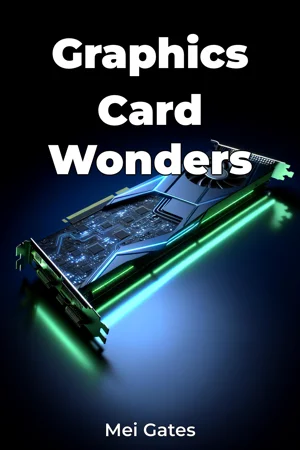
"Graphics Card Wonders" unveils the intricate technology that powers modern visual computing, from basic desktop displays to complex virtual reality environments. This comprehensive exploration delves into the fundamental architecture and capabilities of Graphics Processing Units (GPUs), explaining how these specialized processors transform mathematical data into the vivid imagery we see on our screens. The book begins by establishing the core principles of digital graphics processing, tracing the evolution from early frame buffers to today's advanced ray-tracing capabilities. Through detailed technical analysis, readers learn how GPUs handle parallel processing tasks, manage memory bandwidth, and execute complex rendering algorithms in real-time. Three primary sections form the backbone of the text. The first examines GPU architecture, including the organization of processing cores, memory hierarchies, and data pipelines. The second focuses on rendering techniques, covering rasterization, shading, and modern real-time graphics algorithms. The third explores practical applications across industries, from gaming and entertainment to scientific visualization and artificial intelligence acceleration. Supporting these concepts, the book presents empirical data from industry benchmarks, academic research, and real-world implementation cases. Technical diagrams, performance metrics, and code examples illustrate key points, while detailed breakdowns of modern GPU architectures from major manufacturers provide concrete references for understanding theoretical concepts. The text maintains a balanced technical depth, making complex concepts accessible to technology enthusiasts while providing sufficient detail for graphics programming professionals. It connects graphics processing to related fields, including computer architecture, signal processing, and computational mathematics, demonstrating the interdisciplinary nature of modern GPU technology. Distinctive features include detailed analyses of ray-tracing implementations, artificial intelligence acceleration capabilities, and the role of GPUs in emerging technologies like virtual reality and real-time 3D visualization. The book addresses current industry trends, including the shift toward unified memory architectures and the integration of specialized processing units for AI operations. Written in a structured, technical style, the content progresses logically from fundamental concepts to advanced applications. Each chapter includes practical examples, technical specifications, and implementation considerations, making the material relevant for both academic study and professional application. The target audience includes computer science students, graphics programmers, hardware engineers, and technology professionals seeking to understand modern GPU architecture and capabilities. The book serves as both a comprehensive reference and a practical guide for implementing graphics solutions. Technical coverage extends from basic rasterization techniques to advanced topics like real-time global illumination and GPU-accelerated machine learning. However, the scope intentionally focuses on graphics processing fundamentals rather than specific programming frameworks or APIs, ensuring the content remains relevant despite rapid technological changes. The book addresses ongoing debates in the field, including the future of dedicated graphics hardware versus integrated solutions, the role of specialized AI processors, and the evolution of real-time rendering techniques. It presents multiple viewpoints on these topics while maintaining objective analysis based on technical merit. Throughout the text, practical applications demonstrate how theoretical concepts translate to real-world solutions, from optimizing game engines to implementing scientific visualization systems. This approach helps readers understand both the theoretical foundations and practical implications of modern graphics processing technology.
"Graphics Card Wonders" unveils the intricate technology that powers modern visual computing, from basic desktop displays to complex virtual reality environments. This comprehensive exploration delves into the fundamental architecture and capabilities of Graphics Processing Units (GPUs), explaining how these specialized processors transform mathematical data into the vivid imagery we see on our screens. The book begins by establishing the core principles of digital graphics processing, tracing the evolution from early frame buffers to today's advanced ray-tracing capabilities. Through detailed technical analysis, readers learn how GPUs handle parallel processing tasks, manage memory bandwidth, and execute complex rendering algorithms in real-time. Three primary sections form the backbone of the text. The first examines GPU architecture, including the organization of processing cores, memory hierarchies, and data pipelines. The second focuses on rendering techniques, covering rasterization, shading, and modern real-time graphics algorithms. The third explores practical applications across industries, from gaming and entertainment to scientific visualization and artificial intelligence acceleration. Supporting these concepts, the book presents empirical data from industry benchmarks, academic research, and real-world implementation cases. Technical diagrams, performance metrics, and code examples illustrate key points, while detailed breakdowns of modern GPU architectures from major manufacturers provide concrete references for understanding theoretical concepts. The text maintains a balanced technical depth, making complex concepts accessible to technology enthusiasts while providing sufficient detail for graphics programming professionals. It connects graphics processing to related fields, including computer architecture, signal processing, and computational mathematics, demonstrating the interdisciplinary nature of modern GPU technology. Distinctive features include detailed analyses of ray-tracing implementations, artificial intelligence acceleration capabilities, and the role of GPUs in emerging technologies like virtual reality and real-time 3D visualization. The book addresses current industry trends, including the shift toward unified memory architectures and the integration of specialized processing units for AI operations. Written in a structured, technical style, the content progresses logically from fundamental concepts to advanced applications. Each chapter includes practical examples, technical specifications, and implementation considerations, making the material relevant for both academic study and professional application. The target audience includes computer science students, graphics programmers, hardware engineers, and technology professionals seeking to understand modern GPU architecture and capabilities. The book serves as both a comprehensive reference and a practical guide for implementing graphics solutions. Technical coverage extends from basic rasterization techniques to advanced topics like real-time global illumination and GPU-accelerated machine learning. However, the scope intentionally focuses on graphics processing fundamentals rather than specific programming frameworks or APIs, ensuring the content remains relevant despite rapid technological changes. The book addresses ongoing debates in the field, including the future of dedicated graphics hardware versus integrated solutions, the role of specialized AI processors, and the evolution of real-time rendering techniques. It presents multiple viewpoints on these topics while maintaining objective analysis based on technical merit. Throughout the text, practical applications demonstrate how theoretical concepts translate to real-world solutions, from optimizing game engines to implementing scientific visualization systems. This approach helps readers understand both the theoretical foundations and practical implications of modern graphics processing technology.
"Graphics Card Wonders" offers a comprehensive journey through the fascinating world of modern visual computing, focusing on the sophisticated technology behind Graphics Processing Units (GPUs). The book masterfully bridges the gap between theoretical concepts and practical applications, exploring how these powerful processors transform raw data into the stunning visuals we experience in everything from casual gaming to cutting-edge virtual reality systems. The text progresses systematically through three main sections, beginning with fundamental GPU architecture and advancing to complex rendering techniques and real-world applications. Readers gain deep insights into parallel processing mechanics and memory management, while detailed explanations of ray tracing and real-time rendering algorithms illuminate the technical magic behind modern graphics. The book's approach stands out for its balance of technical depth and accessibility, using practical examples and technical diagrams to illustrate complex concepts without overwhelming readers new to the field. What makes this resource particularly valuable is its comprehensive coverage of emerging trends and technologies, including artificial intelligence acceleration and unified memory architectures. While maintaining focus on core graphics processing principles, the book connects these fundamentals to broader applications in scientific visualization, entertainment, and computational tasks. Through empirical data and real-world implementation cases, readers gain practical understanding of how theoretical concepts translate into actual solutions, making it an invaluable resource for both students and professionals in the field of computer graphics and hardware engineering.
Book Details
ISBN
9788233939236
Publisher
Publifye AS
Your Licenses
You don't own any licenses for this book
Purchase a license below to unlock this book and download the EPUB.
Purchase License
Select a tier to unlock this book
Need bulk licensing?
Contact us for enterprise agreements.