
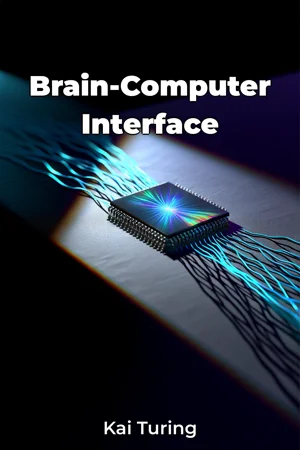
About This Book
"Brain-Computer Interface" explores the rapidly evolving intersection of human cognition and artificial systems, examining how direct neural connections are reshaping our understanding of human-machine interaction. The book provides a comprehensive analysis of current technologies, future possibilities, and the ethical framework necessary for responsible development in this field. The work centers on three primary areas: the technical foundations of brain-computer interfaces (BCIs), their current applications in medical and commercial settings, and the societal implications of widespread BCI adoption. These topics are particularly relevant as neural interface technologies transition from research laboratories to practical applications in medicine, communication, and human enhancement. The book establishes its foundation with a historical overview of neural interface development, from early electroencephalography experiments to modern invasive and non-invasive BCI systems. It provides readers with essential background in neuroscience and computer science principles, making complex concepts accessible to both technical and non-technical audiences. The central thesis argues that BCI technology represents a fundamental shift in human-machine interaction that will reshape medicine, communication, and human capability enhancement. This argument is developed through detailed examination of current research, case studies, and future projections based on technological trends. The content is structured in three main sections: First, it examines the technical architecture of BCI systems, including signal acquisition, processing, and neural decoding algorithms. Second, it explores current applications in medical treatment, particularly for paralysis and communication disorders. Third, it addresses the ethical and societal implications of BCI technology, including privacy concerns, cognitive liberty, and potential social inequalities. The book draws on peer-reviewed research, clinical trials, and interviews with leading researchers and developers in the field. It includes data from major research institutions and private sector initiatives, providing a balanced view of academic and commercial developments. Interdisciplinary connections are made with neuroscience, computer engineering, bioethics, and cognitive psychology. These connections demonstrate how BCI development requires integration across multiple fields to address both technical challenges and human factors. The work takes a systematic approach to complex topics, using clear technical explanations supported by real-world examples and case studies. It maintains an objective, evidence-based perspective while acknowledging both the potential benefits and risks of BCI technology. Written in an academic yet accessible style, the book targets researchers, healthcare professionals, technology developers, and informed general readers interested in the future of human-machine interaction. It serves as both a comprehensive reference and a forward-looking analysis of the field. The scope encompasses current technological capabilities, near-term developments, and longer-term possibilities, while acknowledging the limitations of present-day BCI systems. It addresses practical applications in medicine, accessibility, and human enhancement, providing readers with insight into how these technologies might affect their lives and professions. The book examines ongoing debates in the field, including questions about cognitive privacy, informed consent, and the potential for social stratification based on neural enhancement capabilities. It presents multiple perspectives on these issues while maintaining a balanced, analytical approach. The work concludes by presenting a framework for evaluating future BCI developments and their implications for society, emphasizing the importance of responsible innovation and ethical guidelines in this rapidly advancing field.
"Brain-Computer Interface" explores the rapidly evolving intersection of human cognition and artificial systems, examining how direct neural connections are reshaping our understanding of human-machine interaction. The book provides a comprehensive analysis of current technologies, future possibilities, and the ethical framework necessary for responsible development in this field. The work centers on three primary areas: the technical foundations of brain-computer interfaces (BCIs), their current applications in medical and commercial settings, and the societal implications of widespread BCI adoption. These topics are particularly relevant as neural interface technologies transition from research laboratories to practical applications in medicine, communication, and human enhancement. The book establishes its foundation with a historical overview of neural interface development, from early electroencephalography experiments to modern invasive and non-invasive BCI systems. It provides readers with essential background in neuroscience and computer science principles, making complex concepts accessible to both technical and non-technical audiences. The central thesis argues that BCI technology represents a fundamental shift in human-machine interaction that will reshape medicine, communication, and human capability enhancement. This argument is developed through detailed examination of current research, case studies, and future projections based on technological trends. The content is structured in three main sections: First, it examines the technical architecture of BCI systems, including signal acquisition, processing, and neural decoding algorithms. Second, it explores current applications in medical treatment, particularly for paralysis and communication disorders. Third, it addresses the ethical and societal implications of BCI technology, including privacy concerns, cognitive liberty, and potential social inequalities. The book draws on peer-reviewed research, clinical trials, and interviews with leading researchers and developers in the field. It includes data from major research institutions and private sector initiatives, providing a balanced view of academic and commercial developments. Interdisciplinary connections are made with neuroscience, computer engineering, bioethics, and cognitive psychology. These connections demonstrate how BCI development requires integration across multiple fields to address both technical challenges and human factors. The work takes a systematic approach to complex topics, using clear technical explanations supported by real-world examples and case studies. It maintains an objective, evidence-based perspective while acknowledging both the potential benefits and risks of BCI technology. Written in an academic yet accessible style, the book targets researchers, healthcare professionals, technology developers, and informed general readers interested in the future of human-machine interaction. It serves as both a comprehensive reference and a forward-looking analysis of the field. The scope encompasses current technological capabilities, near-term developments, and longer-term possibilities, while acknowledging the limitations of present-day BCI systems. It addresses practical applications in medicine, accessibility, and human enhancement, providing readers with insight into how these technologies might affect their lives and professions. The book examines ongoing debates in the field, including questions about cognitive privacy, informed consent, and the potential for social stratification based on neural enhancement capabilities. It presents multiple perspectives on these issues while maintaining a balanced, analytical approach. The work concludes by presenting a framework for evaluating future BCI developments and their implications for society, emphasizing the importance of responsible innovation and ethical guidelines in this rapidly advancing field.
"Brain-Computer Interface" delivers a comprehensive exploration of how direct neural connections between human brains and machines are revolutionizing technology and medicine. This timely work examines the technical foundations, current applications, and profound societal implications of brain-computer interface (BCI) technology as it moves from laboratories into practical applications. The book masterfully breaks down complex neuroscience and computer science principles into digestible concepts, making them accessible to both technical and general audiences. Starting with a historical foundation of neural interface development, it progresses through three main sections: technical architecture of BCI systems, medical applications for conditions like paralysis, and the crucial ethical considerations surrounding this emerging technology. Through case studies and real-world examples, readers gain insight into how BCIs are already transforming medical treatment and communication methods. What sets this book apart is its balanced, interdisciplinary approach, drawing from peer-reviewed research, clinical trials, and expert interviews to present a complete picture of BCI development. It addresses pressing concerns about cognitive privacy and social equality while maintaining an objective, evidence-based perspective. For researchers, healthcare professionals, and technology enthusiasts, this work serves as both a comprehensive reference and a thoughtful analysis of how BCIs might reshape human capability enhancement and the future of human-machine interaction.
Book Details
ISBN
9788233938789
Publisher
Publifye AS
Your Licenses
You don't own any licenses for this book
Purchase a license below to unlock this book and download the EPUB.
Purchase License
Select a tier to unlock this book
Need bulk licensing?
Contact us for enterprise agreements.