
About This Book
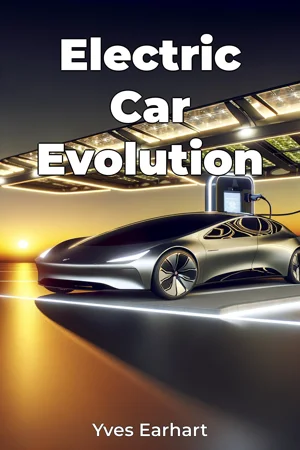
"Electric Car Evolution" examines the transformative journey of electric vehicles from their 19th-century origins to their central role in addressing contemporary environmental challenges. The book presents a detailed analysis of how EV technology has shaped, and continues to influence, both transportation and environmental sustainability. Through comprehensive research and industry data, the book traces three primary narratives: the technological advancement of electric vehicles, their environmental impact, and the economic factors driving their adoption. Each thread interweaves to create a complete picture of how EVs are reshaping mobility solutions while addressing climate change concerns. The work begins by establishing the historical context of electric vehicles, revealing their presence at the dawn of automotive history and explaining their initial decline against gasoline-powered vehicles. This foundation sets up the book's central argument: that the convergence of technological innovation, environmental necessity, and economic viability has created an irreversible shift toward electric mobility. Structured in three main sections, the book first explores the technical evolution of EV components, from early lead-acid batteries to modern lithium-ion technology. The second section presents environmental impact assessments, including lifecycle analyses of EV manufacturing, operation, and disposal. The final section examines the market forces and policy frameworks driving EV adoption globally. The research draws from multiple sources, including automotive industry data, environmental studies, government reports, and interviews with leading engineers and policymakers. The book incorporates case studies from major automotive markets, including China, Europe, and North America, providing diverse perspectives on EV implementation strategies. The work connects several disciplines, linking engineering principles with environmental science and economic theory. It explores how power grid infrastructure relates to EV adoption and examines the intersection of urban planning and charging network development. These connections demonstrate the systemic nature of the electric vehicle transition. Written in a technical yet accessible style, the book maintains a balanced approach to complex topics, using clear explanations and relevant examples to illuminate key concepts. While primarily targeting professionals in the automotive and environmental sectors, the content remains accessible to informed general readers interested in sustainable technology. The book addresses several current debates, including the true environmental impact of EV manufacturing, the challenges of raw material sourcing, and the varying approaches to government incentives. It presents multiple viewpoints while maintaining a fact-based analysis of available data. Practical applications are emphasized throughout, with specific sections dedicated to consumer decision-making, industry adaptation strategies, and policy implementation guidelines. The book includes analysis tools for evaluating environmental impact and total cost of ownership calculations. The scope encompasses both personal vehicles and commercial applications, though it primarily focuses on passenger vehicles as they represent the largest market segment. While global in perspective, particular attention is paid to major markets where EV adoption is most advanced or rapidly growing. The work maintains objectivity when discussing competing technologies and approaches, acknowledging both the benefits and challenges of electric vehicles while providing context for understanding their role in addressing climate change and urban air quality issues. By combining technical insight with environmental analysis, "Electric Car Evolution" provides a comprehensive examination of how electric vehicles are reshaping transportation while addressing pressing environmental challenges. This work serves as both a historical record and a forward-looking analysis of one of the most significant technological transitions in modern transportation.
"Electric Car Evolution" examines the transformative journey of electric vehicles from their 19th-century origins to their central role in addressing contemporary environmental challenges. The book presents a detailed analysis of how EV technology has shaped, and continues to influence, both transportation and environmental sustainability. Through comprehensive research and industry data, the book traces three primary narratives: the technological advancement of electric vehicles, their environmental impact, and the economic factors driving their adoption. Each thread interweaves to create a complete picture of how EVs are reshaping mobility solutions while addressing climate change concerns. The work begins by establishing the historical context of electric vehicles, revealing their presence at the dawn of automotive history and explaining their initial decline against gasoline-powered vehicles. This foundation sets up the book's central argument: that the convergence of technological innovation, environmental necessity, and economic viability has created an irreversible shift toward electric mobility. Structured in three main sections, the book first explores the technical evolution of EV components, from early lead-acid batteries to modern lithium-ion technology. The second section presents environmental impact assessments, including lifecycle analyses of EV manufacturing, operation, and disposal. The final section examines the market forces and policy frameworks driving EV adoption globally. The research draws from multiple sources, including automotive industry data, environmental studies, government reports, and interviews with leading engineers and policymakers. The book incorporates case studies from major automotive markets, including China, Europe, and North America, providing diverse perspectives on EV implementation strategies. The work connects several disciplines, linking engineering principles with environmental science and economic theory. It explores how power grid infrastructure relates to EV adoption and examines the intersection of urban planning and charging network development. These connections demonstrate the systemic nature of the electric vehicle transition. Written in a technical yet accessible style, the book maintains a balanced approach to complex topics, using clear explanations and relevant examples to illuminate key concepts. While primarily targeting professionals in the automotive and environmental sectors, the content remains accessible to informed general readers interested in sustainable technology. The book addresses several current debates, including the true environmental impact of EV manufacturing, the challenges of raw material sourcing, and the varying approaches to government incentives. It presents multiple viewpoints while maintaining a fact-based analysis of available data. Practical applications are emphasized throughout, with specific sections dedicated to consumer decision-making, industry adaptation strategies, and policy implementation guidelines. The book includes analysis tools for evaluating environmental impact and total cost of ownership calculations. The scope encompasses both personal vehicles and commercial applications, though it primarily focuses on passenger vehicles as they represent the largest market segment. While global in perspective, particular attention is paid to major markets where EV adoption is most advanced or rapidly growing. The work maintains objectivity when discussing competing technologies and approaches, acknowledging both the benefits and challenges of electric vehicles while providing context for understanding their role in addressing climate change and urban air quality issues. By combining technical insight with environmental analysis, "Electric Car Evolution" provides a comprehensive examination of how electric vehicles are reshaping transportation while addressing pressing environmental challenges. This work serves as both a historical record and a forward-looking analysis of one of the most significant technological transitions in modern transportation.
"Electric Car Evolution" presents a comprehensive exploration of electric vehicles' transformation from their nineteenth-century beginnings to their pivotal role in modern sustainable transportation. The book skillfully weaves together three crucial narratives: technological advancement, environmental impact, and economic drivers, creating a thorough understanding of how EVs are revolutionizing mobility while addressing urgent climate challenges. Beginning with a fascinating historical context, the book progresses through three main sections that examine the technical evolution of EV components, particularly the shift from lead-acid to lithium-ion batteries, followed by detailed environmental impact assessments of the complete vehicle lifecycle. The final section delves into market dynamics and policy frameworks shaping global EV adoption. Through case studies from major automotive markets including China, Europe, and North America, readers gain diverse perspectives on implementation strategies and challenges. The book stands out for its balanced approach to complex topics, making technical concepts accessible while maintaining analytical depth. It tackles current debates head-on, including the environmental impact of EV manufacturing and raw material sourcing challenges, while providing practical tools for consumer decision-making and policy implementation. By connecting engineering principles with environmental science and economic theory, the work offers valuable insights for both industry professionals and informed readers interested in sustainable technology and transportation's future.
Book Details
ISBN
9788233938772
Publisher
Publifye AS
Your Licenses
You don't own any licenses for this book
Purchase a license below to unlock this book and download the EPUB.
Purchase License
Select a tier to unlock this book
Need bulk licensing?
Contact us for enterprise agreements.