
About This Book
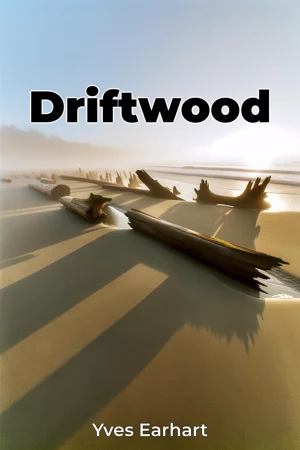
"Driftwood" explores the intricate journey of wooden debris through Earth's waterways, examining how this natural phenomenon shapes coastlines, supports ecosystems, and connects terrestrial and marine environments. The book presents a comprehensive investigation of driftwood's role in both natural systems and human culture, from its formation to its ecological significance. The work begins by tracing the origins of driftwood, from fallen trees in upstream forests to their transformation into water-borne travelers. It explains how natural processes such as floods, storms, and erosion contribute to the creation and movement of driftwood, while also examining the impact of human activities like logging and river management on driftwood formation and distribution. Through detailed scientific research and field studies, the book presents three main sections: the physical journey of driftwood, its ecological significance, and its human dimensions. The first section analyzes how wood moves through river systems and oceans, influenced by currents, weather patterns, and geographical features. The second examines driftwood's role in supporting biodiversity, providing habitat for numerous species, and contributing to nutrient cycles in both aquatic and terrestrial ecosystems. The final section explores human interactions with driftwood, from its historical use as a building material to its modern applications in art and coastal management. The book draws on multiple scientific disciplines, including hydrology, marine biology, and forest ecology, presenting data from long-term studies of river systems and coastal environments. It incorporates research from international scientific institutions and includes case studies from diverse geographical locations, from the Pacific Northwest to the Arctic Circle. The text maintains a balanced approach between scientific rigor and accessibility, using clear language to explain complex ecological processes. Technical concepts are carefully explained through practical examples and illustrated with detailed diagrams and photographs. The writing style is informative and analytical, suitable for both academic readers and informed general audiences interested in environmental science. Interdisciplinary connections link forest management, marine ecology, and climate science, demonstrating how driftwood serves as an indicator of ecosystem health and environmental change. The book addresses current debates in environmental management, including the impact of river damming on natural wood movement and the role of driftwood in coastal protection against rising sea levels. Rather than simply describing driftwood as a natural curiosity, the book positions it as a crucial component of global ecological systems. It challenges common perceptions of driftwood as mere beach debris, revealing its vital role in nutrient cycling, habitat creation, and shoreline protection. The work is particularly relevant for environmental scientists, marine biologists, forest managers, and conservation professionals, while remaining accessible to students and environmental enthusiasts. It provides practical insights for coastal management strategies and conservation efforts, offering guidance on how to maintain healthy driftwood cycles in managed waterways. The book concludes by examining future challenges, including how climate change and increasing coastal development may affect driftwood dynamics, and discusses potential conservation strategies to maintain these important natural processes. It provides a thorough foundation for understanding driftwood's role in global ecosystems while highlighting the need for continued research and informed management practices.
"Driftwood" explores the intricate journey of wooden debris through Earth's waterways, examining how this natural phenomenon shapes coastlines, supports ecosystems, and connects terrestrial and marine environments. The book presents a comprehensive investigation of driftwood's role in both natural systems and human culture, from its formation to its ecological significance. The work begins by tracing the origins of driftwood, from fallen trees in upstream forests to their transformation into water-borne travelers. It explains how natural processes such as floods, storms, and erosion contribute to the creation and movement of driftwood, while also examining the impact of human activities like logging and river management on driftwood formation and distribution. Through detailed scientific research and field studies, the book presents three main sections: the physical journey of driftwood, its ecological significance, and its human dimensions. The first section analyzes how wood moves through river systems and oceans, influenced by currents, weather patterns, and geographical features. The second examines driftwood's role in supporting biodiversity, providing habitat for numerous species, and contributing to nutrient cycles in both aquatic and terrestrial ecosystems. The final section explores human interactions with driftwood, from its historical use as a building material to its modern applications in art and coastal management. The book draws on multiple scientific disciplines, including hydrology, marine biology, and forest ecology, presenting data from long-term studies of river systems and coastal environments. It incorporates research from international scientific institutions and includes case studies from diverse geographical locations, from the Pacific Northwest to the Arctic Circle. The text maintains a balanced approach between scientific rigor and accessibility, using clear language to explain complex ecological processes. Technical concepts are carefully explained through practical examples and illustrated with detailed diagrams and photographs. The writing style is informative and analytical, suitable for both academic readers and informed general audiences interested in environmental science. Interdisciplinary connections link forest management, marine ecology, and climate science, demonstrating how driftwood serves as an indicator of ecosystem health and environmental change. The book addresses current debates in environmental management, including the impact of river damming on natural wood movement and the role of driftwood in coastal protection against rising sea levels. Rather than simply describing driftwood as a natural curiosity, the book positions it as a crucial component of global ecological systems. It challenges common perceptions of driftwood as mere beach debris, revealing its vital role in nutrient cycling, habitat creation, and shoreline protection. The work is particularly relevant for environmental scientists, marine biologists, forest managers, and conservation professionals, while remaining accessible to students and environmental enthusiasts. It provides practical insights for coastal management strategies and conservation efforts, offering guidance on how to maintain healthy driftwood cycles in managed waterways. The book concludes by examining future challenges, including how climate change and increasing coastal development may affect driftwood dynamics, and discusses potential conservation strategies to maintain these important natural processes. It provides a thorough foundation for understanding driftwood's role in global ecosystems while highlighting the need for continued research and informed management practices.
"Driftwood" presents a fascinating exploration of how wooden debris traveling through Earth's waterways plays a crucial role in shaping our environment and supporting diverse ecosystems. This comprehensive work challenges the common perception of driftwood as mere beach debris, revealing its vital importance in connecting terrestrial and marine environments through complex ecological processes. The book's journey begins in upstream forests, where fallen trees start their transformation into water-borne travelers, and follows their path through river systems and oceans. Through detailed scientific research and field studies, readers discover how driftwood creates essential habitats for numerous species and contributes to nutrient cycles in both aquatic and terrestrial environments. Particularly intriguing is the revelation of driftwood's role in coastal protection against rising sea levels and its function as an indicator of ecosystem health. Moving seamlessly between scientific disciplines, including hydrology, marine biology, and forest ecology, the book maintains an accessible approach while examining complex environmental interactions. The text progresses from physical processes to ecological significance, and finally explores human dimensions, including historical uses and modern applications in coastal management. This interdisciplinary perspective, supported by case studies from the Pacific Northwest to the Arctic Circle, provides valuable insights for both professionals and environmental enthusiasts while highlighting crucial conservation challenges in the face of climate change.
Book Details
ISBN
9788233938727
Publisher
Publifye AS
Your Licenses
You don't own any licenses for this book
Purchase a license below to unlock this book and download the EPUB.
Purchase License
Select a tier to unlock this book
Need bulk licensing?
Contact us for enterprise agreements.