
About This Book
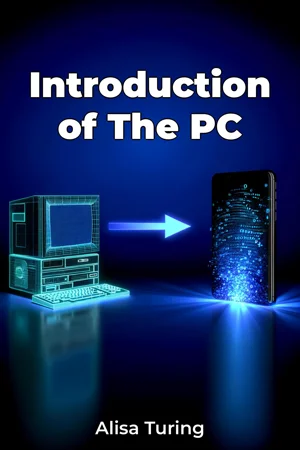
How did a room-sized computer transform into a pocket-sized device that shapes modern life? "Introduction of The PC" addresses this question through a meticulously researched examination of personal computing's evolution, impact, and future trajectory. The book presents a comprehensive analysis of how this technological revolution fundamentally altered human society and continues to evolve at an unprecedented pace. The work is structured around three core themes: the historical development of personal computers, their profound societal impact, and the emerging technologies that will shape computing's future. Through primary documents, technical specifications, and statistical data, the book demonstrates how the transition from mainframe computers to personal devices established new paradigms for human interaction, work, and information processing. The historical narrative traces key developments from the Altair 8800 to the IBM PC, examining how industry pioneers like Steve Jobs, Bill Gates, and Steve Wozniak transformed theoretical possibilities into practical realities. Technical concepts—from microprocessors to operating systems—are explained progressively, making complex subjects accessible while maintaining depth for technology enthusiasts. Central to the book's thesis is the argument that personal computing represents more than technological advancement—it catalyzed a fundamental shift in human capability and society. This argument is supported through extensive research, including archived materials, interviews with industry veterans, and technical documentation that traces the PC's impact on productivity and communication patterns. The work examines how PCs revolutionized multiple sectors, from education to industry, while creating the foundation for the modern digital economy. It connects computing development to broader fields, including economics, sociology, and psychology, demonstrating the interdisciplinary nature of technological progress. The analysis extends to current developments in quantum computing, artificial intelligence, and biotechnology-computer interfaces, presenting research from leading institutions while maintaining a measured approach to technological forecasting. The book maintains an analytical tone throughout, favoring clear exposition and detailed analysis over technological sensationalism. Technical concepts build progressively from fundamental principles to advanced applications, making the material accessible to readers across different knowledge levels. Real-world applications are emphasized through case studies that demonstrate how computing advances solve practical problems and create new opportunities. Critical discussions address ongoing debates about privacy, security, and artificial intelligence's role in future computing. The book acknowledges both the benefits and challenges of technological progress, including digital divide issues and environmental impacts of computing technology. This balanced approach provides readers with a framework for understanding both historical developments and future implications. The work serves multiple audiences, from students and professionals to technology enthusiasts, offering both historical context and forward-looking analysis. It distinguishes itself through comprehensive scope and methodical presentation, maintaining focus on the central narrative of personal computing's evolution while connecting technical details to broader societal implications. By examining both the technical and social dimensions of personal computing, the book provides readers with essential insights into how this technology has shaped our present and may influence our future. This approach makes it particularly valuable for readers seeking to understand the broader implications of technological change in both professional and personal contexts.
How did a room-sized computer transform into a pocket-sized device that shapes modern life? "Introduction of The PC" addresses this question through a meticulously researched examination of personal computing's evolution, impact, and future trajectory. The book presents a comprehensive analysis of how this technological revolution fundamentally altered human society and continues to evolve at an unprecedented pace. The work is structured around three core themes: the historical development of personal computers, their profound societal impact, and the emerging technologies that will shape computing's future. Through primary documents, technical specifications, and statistical data, the book demonstrates how the transition from mainframe computers to personal devices established new paradigms for human interaction, work, and information processing. The historical narrative traces key developments from the Altair 8800 to the IBM PC, examining how industry pioneers like Steve Jobs, Bill Gates, and Steve Wozniak transformed theoretical possibilities into practical realities. Technical concepts—from microprocessors to operating systems—are explained progressively, making complex subjects accessible while maintaining depth for technology enthusiasts. Central to the book's thesis is the argument that personal computing represents more than technological advancement—it catalyzed a fundamental shift in human capability and society. This argument is supported through extensive research, including archived materials, interviews with industry veterans, and technical documentation that traces the PC's impact on productivity and communication patterns. The work examines how PCs revolutionized multiple sectors, from education to industry, while creating the foundation for the modern digital economy. It connects computing development to broader fields, including economics, sociology, and psychology, demonstrating the interdisciplinary nature of technological progress. The analysis extends to current developments in quantum computing, artificial intelligence, and biotechnology-computer interfaces, presenting research from leading institutions while maintaining a measured approach to technological forecasting. The book maintains an analytical tone throughout, favoring clear exposition and detailed analysis over technological sensationalism. Technical concepts build progressively from fundamental principles to advanced applications, making the material accessible to readers across different knowledge levels. Real-world applications are emphasized through case studies that demonstrate how computing advances solve practical problems and create new opportunities. Critical discussions address ongoing debates about privacy, security, and artificial intelligence's role in future computing. The book acknowledges both the benefits and challenges of technological progress, including digital divide issues and environmental impacts of computing technology. This balanced approach provides readers with a framework for understanding both historical developments and future implications. The work serves multiple audiences, from students and professionals to technology enthusiasts, offering both historical context and forward-looking analysis. It distinguishes itself through comprehensive scope and methodical presentation, maintaining focus on the central narrative of personal computing's evolution while connecting technical details to broader societal implications. By examining both the technical and social dimensions of personal computing, the book provides readers with essential insights into how this technology has shaped our present and may influence our future. This approach makes it particularly valuable for readers seeking to understand the broader implications of technological change in both professional and personal contexts.
"Introduction of The PC" presents a compelling exploration of personal computing's transformative journey from room-sized mainframes to pocket-sized devices, weaving together technological evolution with profound societal impact. The book skillfully navigates through three main themes: the historical development of personal computers, their revolutionary impact on society, and emerging technologies shaping computing's future. Through meticulous research and primary documents, it reveals how pioneers like Steve Jobs and Bill Gates turned theoretical possibilities into the practical realities that now define our digital age. The narrative progresses methodically, beginning with fundamental concepts and building toward complex technological innovations. Readers follow the evolution from the Altair 8800 to the IBM PC, understanding how each advancement contributed to the computing revolution. What sets this work apart is its interdisciplinary approach, connecting technological developments to broader fields like economics, sociology, and psychology, while maintaining accessibility for readers across different knowledge levels. The book's analytical framework extends beyond mere technical specifications, examining how personal computing catalyzed fundamental shifts in human capability and society. Through carefully structured chapters, it addresses contemporary challenges including privacy concerns, digital divide issues, and environmental impacts, while exploring future developments in quantum computing and artificial intelligence. This comprehensive approach, supported by case studies and technical documentation, offers readers a thorough understanding of how personal computing continues to shape our world.
Book Details
ISBN
9788233938703
Publisher
Publifye AS
Your Licenses
You don't own any licenses for this book
Purchase a license below to unlock this book and download the EPUB.
Purchase License
Select a tier to unlock this book
Need bulk licensing?
Contact us for enterprise agreements.