
About This Book
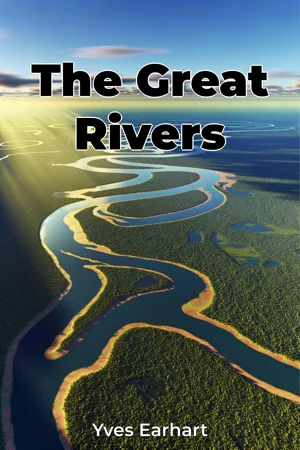
"The Great Rivers" examines the world's major waterways as vital arteries that have shaped civilizations, ecosystems, and global geography throughout history. From the meandering Mississippi to the mighty Amazon and the ancient Nile, this comprehensive study explores how these natural phenomena continue to influence human development and environmental systems in the 21st century. The book is structured around three core themes: the geological formation and physical characteristics of great rivers, their ecological significance, and their role in human civilization. Each section provides detailed analysis supported by current hydrological data, satellite imagery, and historical records, offering readers a multi-faceted understanding of these crucial waterways. Opening with an examination of river formation processes, the text details how tectonic activity, erosion, and climate patterns have carved these channels over millions of years. The Amazon River system, spanning over 6,400 kilometers, serves as a primary case study, demonstrating how river systems develop complex networks that sustain vast regions of biodiversity. The second section focuses on ecological systems, examining how rivers function as biological corridors and sustain diverse habitats. The Yangtze River's ecosystem illustrates this concept, supporting thousands of species while facing contemporary challenges from urbanization and dam construction. This portion includes detailed analyses of sediment transport, flood cycles, and the delicate balance between human needs and environmental preservation. Human civilization's relationship with rivers forms the third major component, exploring how these waterways have influenced settlement patterns, agriculture, and economic development. The Nile's role in ancient Egyptian civilization provides a historical foundation, while the Rhine's current importance in European commerce demonstrates modern economic implications. The research draws from multiple disciplines, including geology, hydrology, ecology, and anthropology. Satellite data, geological surveys, and historical records combine to create a comprehensive picture of these water systems. The book incorporates recent climate change research to examine how rising temperatures and changing precipitation patterns affect river systems globally. Practical applications of this knowledge are addressed through case studies of river management, flood control, and conservation efforts. The Three Gorges Dam on the Yangtze and the Netherlands' river management systems serve as contrasting examples of human intervention in river systems. The text maintains an academic yet accessible tone, suitable for readers with a basic understanding of geography and environmental sciences. Technical concepts are explained clearly, making the content accessible to both students and general readers interested in natural sciences. Controversies surrounding river management, including debates over dam construction, water rights, and environmental protection, are presented with balanced perspective. The book examines these issues through multiple viewpoints, considering both economic development needs and environmental conservation. The work connects to various fields, including climate science, urban planning, and international relations, demonstrating how river systems influence multiple aspects of modern society. Maps, satellite images, and data visualizations support the text's arguments and help readers understand complex geographical concepts. Target readers include environmental scientists, geography students, urban planners, and informed general readers seeking to understand these crucial natural systems. The book's scope encompasses both ancient history and current events, though it focuses primarily on the world's largest and most influential river systems rather than attempting to cover every significant waterway. By examining these great rivers through multiple lenses, the book provides readers with tools to understand current challenges in water resource management and environmental conservation, while highlighting the continuing importance of rivers in our interconnected world.
"The Great Rivers" examines the world's major waterways as vital arteries that have shaped civilizations, ecosystems, and global geography throughout history. From the meandering Mississippi to the mighty Amazon and the ancient Nile, this comprehensive study explores how these natural phenomena continue to influence human development and environmental systems in the 21st century. The book is structured around three core themes: the geological formation and physical characteristics of great rivers, their ecological significance, and their role in human civilization. Each section provides detailed analysis supported by current hydrological data, satellite imagery, and historical records, offering readers a multi-faceted understanding of these crucial waterways. Opening with an examination of river formation processes, the text details how tectonic activity, erosion, and climate patterns have carved these channels over millions of years. The Amazon River system, spanning over 6,400 kilometers, serves as a primary case study, demonstrating how river systems develop complex networks that sustain vast regions of biodiversity. The second section focuses on ecological systems, examining how rivers function as biological corridors and sustain diverse habitats. The Yangtze River's ecosystem illustrates this concept, supporting thousands of species while facing contemporary challenges from urbanization and dam construction. This portion includes detailed analyses of sediment transport, flood cycles, and the delicate balance between human needs and environmental preservation. Human civilization's relationship with rivers forms the third major component, exploring how these waterways have influenced settlement patterns, agriculture, and economic development. The Nile's role in ancient Egyptian civilization provides a historical foundation, while the Rhine's current importance in European commerce demonstrates modern economic implications. The research draws from multiple disciplines, including geology, hydrology, ecology, and anthropology. Satellite data, geological surveys, and historical records combine to create a comprehensive picture of these water systems. The book incorporates recent climate change research to examine how rising temperatures and changing precipitation patterns affect river systems globally. Practical applications of this knowledge are addressed through case studies of river management, flood control, and conservation efforts. The Three Gorges Dam on the Yangtze and the Netherlands' river management systems serve as contrasting examples of human intervention in river systems. The text maintains an academic yet accessible tone, suitable for readers with a basic understanding of geography and environmental sciences. Technical concepts are explained clearly, making the content accessible to both students and general readers interested in natural sciences. Controversies surrounding river management, including debates over dam construction, water rights, and environmental protection, are presented with balanced perspective. The book examines these issues through multiple viewpoints, considering both economic development needs and environmental conservation. The work connects to various fields, including climate science, urban planning, and international relations, demonstrating how river systems influence multiple aspects of modern society. Maps, satellite images, and data visualizations support the text's arguments and help readers understand complex geographical concepts. Target readers include environmental scientists, geography students, urban planners, and informed general readers seeking to understand these crucial natural systems. The book's scope encompasses both ancient history and current events, though it focuses primarily on the world's largest and most influential river systems rather than attempting to cover every significant waterway. By examining these great rivers through multiple lenses, the book provides readers with tools to understand current challenges in water resource management and environmental conservation, while highlighting the continuing importance of rivers in our interconnected world.
"The Great Rivers" offers a compelling exploration of Earth's major waterways, examining their pivotal role in shaping both natural ecosystems and human civilization. This comprehensive study weaves together three fundamental aspects: the geological origins of river systems, their ecological significance, and their profound impact on human development. Through detailed analysis of iconic rivers like the Amazon, Yangtze, and Nile, the book reveals how these natural highways continue to influence our world in the face of modern challenges. The book's approach uniquely combines scientific data with historical context, using satellite imagery, hydrological studies, and archaeological records to paint a complete picture of river systems. Readers discover fascinating insights about the Amazon's vast 6,400-kilometer network supporting unprecedented biodiversity, and how the Nile's predictable flooding patterns enabled the rise of ancient Egyptian civilization. The text progressively builds understanding from fundamental geological processes to complex contemporary issues of water management and environmental conservation. Moving from ancient history to present-day challenges, the narrative examines pressing issues like climate change impacts on river systems and the delicate balance between development and conservation. The book's multidisciplinary approach, incorporating geology, ecology, and anthropology, makes complex concepts accessible while maintaining scientific rigor. Through case studies of modern river management systems and controversial dam projects, readers gain practical insights into the ongoing challenges of preserving these vital waterways for future generations.
Book Details
ISBN
9788233938680
Publisher
Publifye AS
Your Licenses
You don't own any licenses for this book
Purchase a license below to unlock this book and download the EPUB.
Purchase License
Select a tier to unlock this book
Need bulk licensing?
Contact us for enterprise agreements.