
About This Book
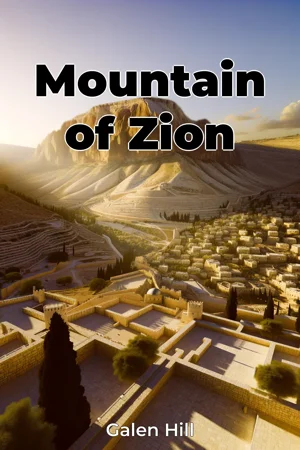
"Mountain of Zion" examines the multifaceted biblical significance of Mount Zion, exploring its role as both a physical location and a powerful spiritual symbol throughout Scripture. The book delves into prophecies spanning both Old and New Testaments, offering readers a comprehensive analysis of this sacred site's past, present, and prophetic future. The work begins by establishing Mount Zion's historical context as the ancient City of David and its evolution into the temple mount of Jerusalem. Through careful examination of biblical texts, the book traces how Zion transformed from a Jebusite stronghold into the center of Jewish worship and ultimately became a universal symbol of God's presence among His people. Three primary themes emerge throughout the narrative: Zion as God's chosen dwelling place, its role in messianic prophecies, and its significance in end-time events. The book methodically analyzes key prophetic passages from Isaiah, Psalms, Joel, and Revelation, demonstrating how Zion serves as a crucial focal point for biblical eschatology. The research draws from archaeological findings, historical documents, and biblical scholarship to support its analysis. Hebrew linguistic studies provide insight into the various contexts and meanings of "Zion" throughout Scripture, while archaeological evidence helps readers understand the physical reality behind the biblical accounts. The book's structure progresses chronologically through Scripture, beginning with David's conquest of Jerusalem and continuing through the prophetic literature. Each chapter builds upon previous revelations about Zion, creating a coherent narrative that connects ancient prophecies to current events and future expectations. Special attention is given to the prophetic implications of Zion in contemporary times, particularly regarding Israel's modern statehood and Jerusalem's current status. The book examines various interpretations of Zion-related prophecies across different theological traditions while maintaining a scholarly approach to textual analysis. Interdisciplinary connections are made with Middle Eastern studies, archaeology, and political science, providing context for understanding Zion's significance in regional conflicts and international relations. The work also explores the impact of Zion theology on religious movements throughout history. Written in an academic yet accessible style, the book serves both scholars and general readers interested in biblical prophecy and Middle Eastern history. Technical terms are carefully explained, and complex theological concepts are presented with clarity and supporting evidence. The target audience includes biblical studies students, prophecy researchers, and readers seeking deeper understanding of Jerusalem's prophetic significance. The book maintains academic rigor while remaining accessible to non-specialists interested in biblical prophecy and Middle Eastern history. Limitations are clearly stated, acknowledging ongoing scholarly debates about prophetic interpretation and the challenges of applying ancient texts to modern situations. The work addresses various interpretative frameworks while maintaining focus on textual evidence and historical context. Practical applications include guidelines for understanding biblical prophecy, principles for interpreting prophetic literature, and insights into current events related to Jerusalem and Israel. The book provides readers with tools for engaging with biblical texts and evaluating contemporary claims about prophetic fulfillment. The work concludes by synthesizing its findings into a coherent framework for understanding Zion's role in biblical prophecy, offering readers a balanced perspective on this crucial aspect of Scripture while maintaining scholarly integrity and practical relevance.
"Mountain of Zion" examines the multifaceted biblical significance of Mount Zion, exploring its role as both a physical location and a powerful spiritual symbol throughout Scripture. The book delves into prophecies spanning both Old and New Testaments, offering readers a comprehensive analysis of this sacred site's past, present, and prophetic future. The work begins by establishing Mount Zion's historical context as the ancient City of David and its evolution into the temple mount of Jerusalem. Through careful examination of biblical texts, the book traces how Zion transformed from a Jebusite stronghold into the center of Jewish worship and ultimately became a universal symbol of God's presence among His people. Three primary themes emerge throughout the narrative: Zion as God's chosen dwelling place, its role in messianic prophecies, and its significance in end-time events. The book methodically analyzes key prophetic passages from Isaiah, Psalms, Joel, and Revelation, demonstrating how Zion serves as a crucial focal point for biblical eschatology. The research draws from archaeological findings, historical documents, and biblical scholarship to support its analysis. Hebrew linguistic studies provide insight into the various contexts and meanings of "Zion" throughout Scripture, while archaeological evidence helps readers understand the physical reality behind the biblical accounts. The book's structure progresses chronologically through Scripture, beginning with David's conquest of Jerusalem and continuing through the prophetic literature. Each chapter builds upon previous revelations about Zion, creating a coherent narrative that connects ancient prophecies to current events and future expectations. Special attention is given to the prophetic implications of Zion in contemporary times, particularly regarding Israel's modern statehood and Jerusalem's current status. The book examines various interpretations of Zion-related prophecies across different theological traditions while maintaining a scholarly approach to textual analysis. Interdisciplinary connections are made with Middle Eastern studies, archaeology, and political science, providing context for understanding Zion's significance in regional conflicts and international relations. The work also explores the impact of Zion theology on religious movements throughout history. Written in an academic yet accessible style, the book serves both scholars and general readers interested in biblical prophecy and Middle Eastern history. Technical terms are carefully explained, and complex theological concepts are presented with clarity and supporting evidence. The target audience includes biblical studies students, prophecy researchers, and readers seeking deeper understanding of Jerusalem's prophetic significance. The book maintains academic rigor while remaining accessible to non-specialists interested in biblical prophecy and Middle Eastern history. Limitations are clearly stated, acknowledging ongoing scholarly debates about prophetic interpretation and the challenges of applying ancient texts to modern situations. The work addresses various interpretative frameworks while maintaining focus on textual evidence and historical context. Practical applications include guidelines for understanding biblical prophecy, principles for interpreting prophetic literature, and insights into current events related to Jerusalem and Israel. The book provides readers with tools for engaging with biblical texts and evaluating contemporary claims about prophetic fulfillment. The work concludes by synthesizing its findings into a coherent framework for understanding Zion's role in biblical prophecy, offering readers a balanced perspective on this crucial aspect of Scripture while maintaining scholarly integrity and practical relevance.
"Mountain of Zion" presents a comprehensive exploration of one of the Bible's most significant locations, examining Mount Zion as both a physical place and a profound spiritual symbol. The book masterfully weaves together historical context, prophetic significance, and contemporary relevance, tracing Zion's transformation from a Jebusite stronghold to its role as the center of Jewish worship and its prophetic future. Through careful analysis of biblical texts, archaeological findings, and historical documents, the work illuminates three key themes: Zion as God's chosen dwelling place, its messianic implications, and its role in end-time prophecies. The book's chronological progression takes readers from David's conquest of Jerusalem through various prophetic texts, including insights from Isaiah, Psalms, Joel, and Revelation. Notable elements include detailed Hebrew linguistic studies that reveal the multiple dimensions of "Zion" throughout Scripture and archaeological evidence that brings biblical accounts to life. What sets this work apart is its balanced approach to combining academic rigor with accessibility, making complex theological concepts understandable for both scholars and general readers interested in biblical prophecy. The book bridges ancient prophecies with contemporary events, particularly regarding modern Israel and Jerusalem's current status, while maintaining scholarly integrity. By incorporating interdisciplinary perspectives from Middle Eastern studies and political science, it provides readers with a comprehensive framework for understanding Mount Zion's enduring significance in biblical prophecy and world events.
Book Details
ISBN
9788233938604
Publisher
Publifye AS
Your Licenses
You don't own any licenses for this book
Purchase a license below to unlock this book and download the EPUB.
Purchase License
Select a tier to unlock this book
Need bulk licensing?
Contact us for enterprise agreements.