
About This Book
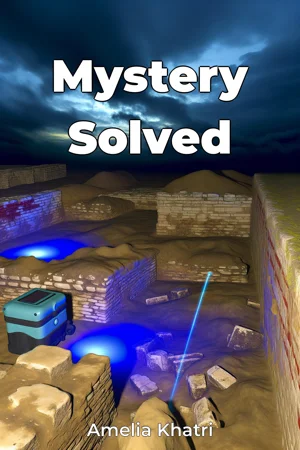
"Mystery Solved" addresses history's most intriguing unresolved cases, from ancient archaeological puzzles to modern criminal investigations, presenting newly uncovered evidence and innovative research methods that led to their resolution. The book examines three primary categories of solved mysteries: archaeological discoveries, historical enigmas, and criminal cold cases. Each section demonstrates how advancing technology, cross-disciplinary research, and international collaboration contributed to resolving these long-standing questions. Opening with the discovery of Richard III's remains under a parking lot in Leicester, the narrative establishes how modern DNA analysis and historical records worked together to solve a 500-year-old mystery. This sets the framework for exploring how contemporary methods illuminate the past. The work presents systematic analyses of cases including the identification of the Ancient Egyptian mummy KV55, the decoding of Linear B script, and the resolution of the Zodiac Killer case. Each investigation showcases specific methodological breakthroughs that proved crucial to their resolution. Through detailed case studies, the book reveals the evolution of investigative techniques across multiple fields. The first section focuses on archaeological mysteries, examining how ground-penetrating radar and satellite imagery have revolutionized site discovery. The second part explores historical documents and ciphers, demonstrating how computer algorithms now decode previously unbreakable codes. The final section covers criminal investigations, showing how genetic genealogy has transformed cold case resolution. Research presented draws from newly declassified government documents, archaeological field reports, forensic analyses, and interviews with key investigators. The book incorporates data from institutions including the FBI, Interpol, major universities, and national museums. The work connects multiple disciplines, linking forensic science with historical research, anthropology with modern technology, and criminal investigation with genealogy. These intersections highlight how cross-field collaboration often provides the key to solving complex mysteries. Written in an analytical style that balances technical detail with accessible explanation, the book maintains a factual approach while building narrative tension through careful revelation of evidence and conclusions. This approach makes complex scientific and historical concepts comprehensible to general readers while satisfying subject matter experts. The target audience includes readers interested in true crime, history enthusiasts, and professionals in investigation-related fields. The book serves both as a comprehensive reference and an engaging examination of how mysteries are solved. Particular attention is paid to the limitations of historical and scientific evidence, acknowledging where gaps remain and explaining how researchers work around incomplete data. The book addresses ongoing debates about investigative methods and the interpretation of evidence, presenting multiple viewpoints where consensus remains elusive. Each chapter concludes with practical insights applicable to modern investigation methods, making the content valuable for current practitioners in law enforcement, archaeology, and historical research. The work avoids sensationalism, instead focusing on methodological advances and verifiable results. It presents controversial theories objectively, explaining the evidence both for and against various conclusions. The scope encompasses cases from six continents, spanning ancient to modern times, while maintaining focus on mysteries where definitive conclusions have been reached through verifiable evidence and peer-reviewed research.
"Mystery Solved" addresses history's most intriguing unresolved cases, from ancient archaeological puzzles to modern criminal investigations, presenting newly uncovered evidence and innovative research methods that led to their resolution. The book examines three primary categories of solved mysteries: archaeological discoveries, historical enigmas, and criminal cold cases. Each section demonstrates how advancing technology, cross-disciplinary research, and international collaboration contributed to resolving these long-standing questions. Opening with the discovery of Richard III's remains under a parking lot in Leicester, the narrative establishes how modern DNA analysis and historical records worked together to solve a 500-year-old mystery. This sets the framework for exploring how contemporary methods illuminate the past. The work presents systematic analyses of cases including the identification of the Ancient Egyptian mummy KV55, the decoding of Linear B script, and the resolution of the Zodiac Killer case. Each investigation showcases specific methodological breakthroughs that proved crucial to their resolution. Through detailed case studies, the book reveals the evolution of investigative techniques across multiple fields. The first section focuses on archaeological mysteries, examining how ground-penetrating radar and satellite imagery have revolutionized site discovery. The second part explores historical documents and ciphers, demonstrating how computer algorithms now decode previously unbreakable codes. The final section covers criminal investigations, showing how genetic genealogy has transformed cold case resolution. Research presented draws from newly declassified government documents, archaeological field reports, forensic analyses, and interviews with key investigators. The book incorporates data from institutions including the FBI, Interpol, major universities, and national museums. The work connects multiple disciplines, linking forensic science with historical research, anthropology with modern technology, and criminal investigation with genealogy. These intersections highlight how cross-field collaboration often provides the key to solving complex mysteries. Written in an analytical style that balances technical detail with accessible explanation, the book maintains a factual approach while building narrative tension through careful revelation of evidence and conclusions. This approach makes complex scientific and historical concepts comprehensible to general readers while satisfying subject matter experts. The target audience includes readers interested in true crime, history enthusiasts, and professionals in investigation-related fields. The book serves both as a comprehensive reference and an engaging examination of how mysteries are solved. Particular attention is paid to the limitations of historical and scientific evidence, acknowledging where gaps remain and explaining how researchers work around incomplete data. The book addresses ongoing debates about investigative methods and the interpretation of evidence, presenting multiple viewpoints where consensus remains elusive. Each chapter concludes with practical insights applicable to modern investigation methods, making the content valuable for current practitioners in law enforcement, archaeology, and historical research. The work avoids sensationalism, instead focusing on methodological advances and verifiable results. It presents controversial theories objectively, explaining the evidence both for and against various conclusions. The scope encompasses cases from six continents, spanning ancient to modern times, while maintaining focus on mysteries where definitive conclusions have been reached through verifiable evidence and peer-reviewed research.
"Mystery Solved" takes readers on a fascinating journey through history's most perplexing cases, showcasing how modern technology and cross-disciplinary collaboration have unlocked answers to long-standing mysteries. From the remarkable discovery of Richard III's remains beneath a Leicester parking lot to the groundbreaking resolution of the Zodiac Killer case, this comprehensive work demonstrates the power of combining traditional investigative methods with cutting-edge scientific advances. The book's unique approach divides its exploration into three distinct categories: archaeological discoveries, historical enigmas, and criminal cold cases. Through detailed case studies, readers learn how ground-penetrating radar revolutionized archaeological site discovery, how computer algorithms cracked previously unbreakable codes, and how genetic genealogy transformed cold case investigations. Each chapter reveals the methodological breakthroughs that proved crucial to solving these mysteries, drawing from newly declassified documents, forensic analyses, and expert interviews. What sets this work apart is its careful balance of technical detail and accessibility, making complex scientific concepts understandable while maintaining scholarly rigor. The book spans six continents and multiple time periods, focusing on cases where verifiable evidence has led to definitive conclusions. By connecting disciplines such as forensic science, historical research, and anthropology, it demonstrates how modern investigative techniques continue to shed new light on mysteries both ancient and recent, providing valuable insights for professionals and fascinating revelations for history enthusiasts and true crime aficionados alike.
Book Details
ISBN
9788233938482
Publisher
Publifye AS
Your Licenses
You don't own any licenses for this book
Purchase a license below to unlock this book and download the EPUB.
Purchase License
Select a tier to unlock this book
Need bulk licensing?
Contact us for enterprise agreements.