
About This Book
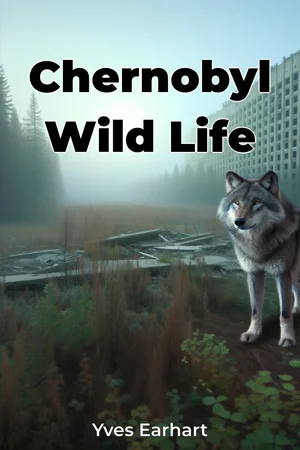
"Chernobyl Wild Life" examines the complex ecological transformation that occurred following the 1986 nuclear disaster, presenting a detailed analysis of how radiation exposure has influenced animal and plant populations in the Exclusion Zone over multiple decades. The book centers on three principal topics: the immediate impact of radiation on local ecosystems, the long-term genetic and behavioral adaptations observed in various species, and the broader implications for understanding biological resilience. Through systematic research data collected between 1986 and present day, the text reveals how different species respond to chronic radiation exposure and what this means for evolutionary biology. The historical context begins with the initial evacuation of 116,000 people from the Exclusion Zone, creating an inadvertent 2,600 square kilometer wildlife sanctuary. This unique circumstance allowed researchers to study how nature responds to both the absence of human activity and the presence of radioactive contamination. The book presents findings from multiple research teams who have documented population changes, genetic modifications, and behavioral shifts in species ranging from wolves and bears to birds and insects. Central to the book's thesis is the demonstration that wildlife populations have developed various mechanisms to cope with elevated radiation levels, challenging previous assumptions about the long-term effects of nuclear accidents on ecosystems. The text is structured in three main sections: initial ecosystem response, documented adaptations, and future implications for conservation biology and radiation science. The research presented draws from longitudinal studies using motion-activated cameras, GPS tracking, genetic sampling, and radiation monitoring. This comprehensive approach provides readers with verifiable data on population densities, mutation rates, and behavioral patterns. The methodology combines traditional wildlife biology techniques with modern radiation measurement tools to create a complete picture of the ecosystem's current state. The book connects multiple disciplines, linking radiation biology with evolutionary theory and conservation science. These intersections provide insights into how species adapt to environmental stressors and what this means for ecosystem management in contaminated areas worldwide. The writing maintains an academic foundation while presenting information accessibly, using clear explanations of technical concepts and supporting data with visual representations. This approach makes the content valuable for both researchers and informed general readers interested in environmental science, radiation biology, or wildlife conservation. The target audience includes environmental scientists, wildlife biologists, radiation specialists, and graduate students in related fields. The book also serves conservation managers and policy makers working with contaminated environments or wildlife preservation. Practical applications extend to radiation protection protocols, wildlife management strategies, and conservation planning. The findings inform approaches to managing other contaminated sites and understanding ecosystem recovery after environmental disasters. The text addresses ongoing debates about radiation hormesis and the relative impacts of human presence versus radiation exposure on wildlife populations. It presents competing theories and supporting evidence, allowing readers to understand the complexity of these issues. The scope encompasses both macro and micro-level analyses, from population-wide trends to cellular-level adaptations, while acknowledging the limitations of studying wildlife in a radiation-contaminated environment. The book concludes by examining the implications for future nuclear accidents and ecosystem management, providing a framework for understanding biological resilience in extreme conditions.
"Chernobyl Wild Life" examines the complex ecological transformation that occurred following the 1986 nuclear disaster, presenting a detailed analysis of how radiation exposure has influenced animal and plant populations in the Exclusion Zone over multiple decades. The book centers on three principal topics: the immediate impact of radiation on local ecosystems, the long-term genetic and behavioral adaptations observed in various species, and the broader implications for understanding biological resilience. Through systematic research data collected between 1986 and present day, the text reveals how different species respond to chronic radiation exposure and what this means for evolutionary biology. The historical context begins with the initial evacuation of 116,000 people from the Exclusion Zone, creating an inadvertent 2,600 square kilometer wildlife sanctuary. This unique circumstance allowed researchers to study how nature responds to both the absence of human activity and the presence of radioactive contamination. The book presents findings from multiple research teams who have documented population changes, genetic modifications, and behavioral shifts in species ranging from wolves and bears to birds and insects. Central to the book's thesis is the demonstration that wildlife populations have developed various mechanisms to cope with elevated radiation levels, challenging previous assumptions about the long-term effects of nuclear accidents on ecosystems. The text is structured in three main sections: initial ecosystem response, documented adaptations, and future implications for conservation biology and radiation science. The research presented draws from longitudinal studies using motion-activated cameras, GPS tracking, genetic sampling, and radiation monitoring. This comprehensive approach provides readers with verifiable data on population densities, mutation rates, and behavioral patterns. The methodology combines traditional wildlife biology techniques with modern radiation measurement tools to create a complete picture of the ecosystem's current state. The book connects multiple disciplines, linking radiation biology with evolutionary theory and conservation science. These intersections provide insights into how species adapt to environmental stressors and what this means for ecosystem management in contaminated areas worldwide. The writing maintains an academic foundation while presenting information accessibly, using clear explanations of technical concepts and supporting data with visual representations. This approach makes the content valuable for both researchers and informed general readers interested in environmental science, radiation biology, or wildlife conservation. The target audience includes environmental scientists, wildlife biologists, radiation specialists, and graduate students in related fields. The book also serves conservation managers and policy makers working with contaminated environments or wildlife preservation. Practical applications extend to radiation protection protocols, wildlife management strategies, and conservation planning. The findings inform approaches to managing other contaminated sites and understanding ecosystem recovery after environmental disasters. The text addresses ongoing debates about radiation hormesis and the relative impacts of human presence versus radiation exposure on wildlife populations. It presents competing theories and supporting evidence, allowing readers to understand the complexity of these issues. The scope encompasses both macro and micro-level analyses, from population-wide trends to cellular-level adaptations, while acknowledging the limitations of studying wildlife in a radiation-contaminated environment. The book concludes by examining the implications for future nuclear accidents and ecosystem management, providing a framework for understanding biological resilience in extreme conditions.
"Chernobyl Wild Life" presents a groundbreaking exploration of nature's resilience following one of history's most significant nuclear disasters. The book reveals fascinating insights into how wildlife has not only survived but, in many cases, thrived in the Chernobyl Exclusion Zone since the 1986 accident. Through decades of research data, the authors demonstrate how various species have developed remarkable adaptations to cope with elevated radiation levels, challenging conventional wisdom about the long-term effects of nuclear contamination on ecosystems. The research combines traditional wildlife biology methods with modern radiation monitoring techniques, tracking everything from wolves and bears to birds and insects. Following the evacuation of 116,000 people, the 2,600 square kilometer area became an unprecedented living laboratory, allowing scientists to study wildlife responses to both radiation exposure and the absence of human activity. The findings reveal surprising patterns of biological resilience, with many species showing genetic and behavioral adaptations to their radioactive environment. The book progresses logically from the immediate aftermath of the disaster through long-term ecological changes, concluding with broader implications for conservation biology and radiation science. By connecting multiple scientific disciplines and presenting complex data through accessible explanations and visual representations, it offers valuable insights for both researchers and informed general readers. This comprehensive approach makes it an essential resource for understanding ecosystem recovery and wildlife adaptation in extreme environmental conditions.
Book Details
ISBN
9788233938437
Publisher
Publifye AS
Your Licenses
You don't own any licenses for this book
Purchase a license below to unlock this book and download the EPUB.
Purchase License
Select a tier to unlock this book
Need bulk licensing?
Contact us for enterprise agreements.