
About This Book
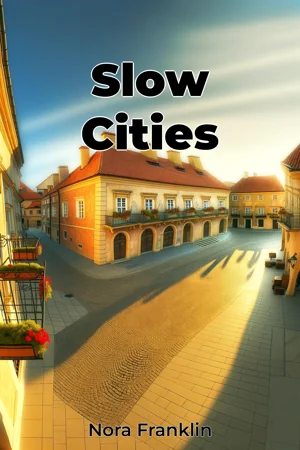
"Slow Cities" examines the growing global movement of cities that prioritize quality of life over rapid development, exploring how urban centers are reimagining themselves through the principles of deliberate deceleration and sustainable living. The book introduces the Cittaslow (Slow City) movement, which originated in Italy in 1999 as an extension of the Slow Food movement. This international network of cities, each with populations under 50,000, commits to specific criteria including environmental conservation, traditional food culture, and preservation of local identity. The work presents three core themes: the philosophy behind slow cities, their practical implementation worldwide, and their impact on urban development patterns. The text provides historical context for urban development, tracing the shift from industrial-era cities to modern metropolitan areas, and examining how the rapid pace of urbanization has affected community well-being. It analyzes the emergence of slow cities as a response to globalization and standardization, presenting case studies from member cities across Europe, Asia, and the Americas. Central to the book's argument is that slower, more mindful urban development creates more livable cities and stronger communities. The author supports this thesis through extensive research, including demographic data, quality-of-life metrics, and economic indicators from certified Cittaslow communities. The evidence encompasses municipal planning documents, resident surveys, and comparative analyses of slow cities versus conventional urban centers. The content is structured in three main sections: First, it defines the principles and criteria of slow cities, including requirements for environmental policy, infrastructure, and cultural preservation. Second, it examines implementation strategies through detailed case studies of successful slow cities. Finally, it analyzes the movement's broader implications for urban planning and community development. The book connects urban planning with environmental science, sociology, and cultural preservation. It demonstrates how slow cities influence local economies, environmental sustainability, and community health. The research methodology combines quantitative analysis of urban development metrics with qualitative assessments of community satisfaction and cultural vitality. Written in an analytical yet accessible style, the text balances academic rigor with practical insights. It serves urban planners, community leaders, environmental advocates, and citizens interested in sustainable urban development. The work includes detailed maps, photographs, and diagrams illustrating slow city principles in action. The scope encompasses both theoretical frameworks and practical applications, though it primarily focuses on smaller cities rather than major metropolitan areas. It addresses ongoing debates about urban growth, sustainability, and the balance between development and preservation. The book provides concrete guidelines for communities interested in joining the slow city movement, including assessment tools, policy frameworks, and implementation strategies. It examines challenges and controversies, such as economic pressures for rapid development and resistance to change from various stakeholders. This work offers a comprehensive examination of an alternative approach to urban development, grounded in research and real-world examples. It presents the slow city movement not as a rejection of progress, but as a thoughtful recalibration of urban priorities toward sustainability, cultural preservation, and quality of life.
"Slow Cities" examines the growing global movement of cities that prioritize quality of life over rapid development, exploring how urban centers are reimagining themselves through the principles of deliberate deceleration and sustainable living. The book introduces the Cittaslow (Slow City) movement, which originated in Italy in 1999 as an extension of the Slow Food movement. This international network of cities, each with populations under 50,000, commits to specific criteria including environmental conservation, traditional food culture, and preservation of local identity. The work presents three core themes: the philosophy behind slow cities, their practical implementation worldwide, and their impact on urban development patterns. The text provides historical context for urban development, tracing the shift from industrial-era cities to modern metropolitan areas, and examining how the rapid pace of urbanization has affected community well-being. It analyzes the emergence of slow cities as a response to globalization and standardization, presenting case studies from member cities across Europe, Asia, and the Americas. Central to the book's argument is that slower, more mindful urban development creates more livable cities and stronger communities. The author supports this thesis through extensive research, including demographic data, quality-of-life metrics, and economic indicators from certified Cittaslow communities. The evidence encompasses municipal planning documents, resident surveys, and comparative analyses of slow cities versus conventional urban centers. The content is structured in three main sections: First, it defines the principles and criteria of slow cities, including requirements for environmental policy, infrastructure, and cultural preservation. Second, it examines implementation strategies through detailed case studies of successful slow cities. Finally, it analyzes the movement's broader implications for urban planning and community development. The book connects urban planning with environmental science, sociology, and cultural preservation. It demonstrates how slow cities influence local economies, environmental sustainability, and community health. The research methodology combines quantitative analysis of urban development metrics with qualitative assessments of community satisfaction and cultural vitality. Written in an analytical yet accessible style, the text balances academic rigor with practical insights. It serves urban planners, community leaders, environmental advocates, and citizens interested in sustainable urban development. The work includes detailed maps, photographs, and diagrams illustrating slow city principles in action. The scope encompasses both theoretical frameworks and practical applications, though it primarily focuses on smaller cities rather than major metropolitan areas. It addresses ongoing debates about urban growth, sustainability, and the balance between development and preservation. The book provides concrete guidelines for communities interested in joining the slow city movement, including assessment tools, policy frameworks, and implementation strategies. It examines challenges and controversies, such as economic pressures for rapid development and resistance to change from various stakeholders. This work offers a comprehensive examination of an alternative approach to urban development, grounded in research and real-world examples. It presents the slow city movement not as a rejection of progress, but as a thoughtful recalibration of urban priorities toward sustainability, cultural preservation, and quality of life.
"Slow Cities" explores a revolutionary approach to urban development through the lens of the Cittaslow movement, which champions quality of life over rapid growth in smaller cities worldwide. This thoughtful examination reveals how communities with populations under 50,000 are successfully implementing principles of deliberate deceleration and sustainable living, creating more livable environments while preserving local culture and identity. The movement, born from Italy's Slow Food initiative in 1999, has spread globally, offering a compelling alternative to conventional urban development patterns. The book masterfully weaves together theoretical frameworks and practical applications, presenting case studies from certified Cittaslow communities across Europe, Asia, and the Americas. Through extensive research combining demographic data, quality-of-life metrics, and economic indicators, it demonstrates how slower, more mindful urban development strengthens community bonds and enhances environmental sustainability. Readers gain insights into specific criteria these cities must meet, including environmental conservation policies, infrastructure requirements, and cultural preservation strategies. Structured in three comprehensive sections, the work progresses from fundamental principles to real-world implementation and broader implications for urban planning. It provides concrete guidelines for communities interested in joining the movement while honestly addressing challenges such as economic pressures and stakeholder resistance. This balanced approach, supported by detailed maps and diagrams, makes the book an invaluable resource for urban planners, community leaders, and anyone interested in creating more sustainable, culturally rich urban environments.
Book Details
ISBN
9788233938376
Publisher
Publifye AS
Your Licenses
You don't own any licenses for this book
Purchase a license below to unlock this book and download the EPUB.
Purchase License
Select a tier to unlock this book
Need bulk licensing?
Contact us for enterprise agreements.