
About This Book
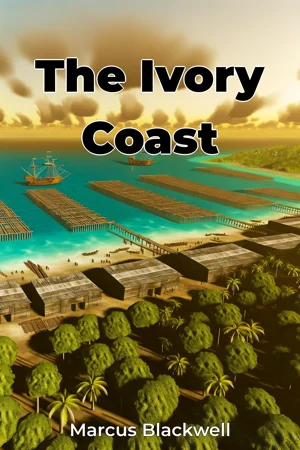
"The Ivory Coast" examines how a nation's colonial name became a symbol of both historical exploitation and modern identity struggles. Through meticulous research and historical analysis, this book unravels the complex narrative of how the ivory trade shaped not only a country's nomenclature but its entire sociopolitical landscape. The work centers on three primary themes: the establishment and impact of the colonial ivory trade, the transformation of coastal trading ports into centers of political power, and the lasting implications of colonial naming practices in modern Africa. These interconnected elements reveal how economic exploitation created enduring social and political structures that continue to influence West African governance. The book's central argument posits that the naming of the Ivory Coast (Côte d'Ivoire) represents more than geographical designation—it embodies the complex relationship between colonial economic interests and African identity formation. This naming practice reflects a broader pattern of European powers defining African territories through their primary export commodities, reducing diverse cultural regions to their economic utility. Drawing from colonial archives, trade records, and oral histories, the narrative spans three centuries of interaction between European traders and West African societies. The first section examines the pre-colonial ivory trade networks and their transformation under European influence. The second part analyzes how the French colonial administration consolidated power through these trade routes, while the final section addresses the post-independence retention of colonial designations and their implications for national identity. The research methodology combines quantitative analysis of historical trade data with qualitative examination of colonial correspondence and indigenous accounts. This dual approach provides readers with both statistical evidence of the ivory trade's scope and human perspectives on its social impact. The work connects three distinct fields: economic history, political science, and cultural anthropology. These intersections illuminate how trade practices influenced governance systems and how colonial economic structures shaped cultural identities. The author employs a scholarly yet accessible tone, balancing academic rigor with engaging narrative elements that make complex historical concepts comprehensible to general readers. Intended for academics, policy makers, and informed general readers, this book provides essential context for understanding contemporary West African politics and identity issues. It adheres to rigorous historical methodology while maintaining relevance to current debates about colonial legacy and national identity in Africa. The scope encompasses the period from initial European contact through contemporary times, focusing primarily on the region's transformation from the 17th to 20th centuries. While centered on the Ivory Coast, the analysis extends to neighboring regions to provide comparative context. The book addresses ongoing debates about the decolonization of place names and national identity, examining why some nations maintain colonial designations while others adopt indigenous names. It provides practical insights for understanding current political movements and identity politics in West Africa. The work's unique contribution lies in its systematic analysis of how commodity-based colonial naming practices influenced the development of national identities and political structures. It challenges simplified narratives about colonial exploitation while acknowledging the deep-seated impacts of European economic interests on African societies. For modern readers, the book offers valuable perspective on current discussions about cultural identity, economic dependency, and political sovereignty in West Africa. It provides context for understanding contemporary debates about national naming and identity, while illuminating the historical processes that shaped modern African nation-states.
"The Ivory Coast" examines how a nation's colonial name became a symbol of both historical exploitation and modern identity struggles. Through meticulous research and historical analysis, this book unravels the complex narrative of how the ivory trade shaped not only a country's nomenclature but its entire sociopolitical landscape. The work centers on three primary themes: the establishment and impact of the colonial ivory trade, the transformation of coastal trading ports into centers of political power, and the lasting implications of colonial naming practices in modern Africa. These interconnected elements reveal how economic exploitation created enduring social and political structures that continue to influence West African governance. The book's central argument posits that the naming of the Ivory Coast (Côte d'Ivoire) represents more than geographical designation—it embodies the complex relationship between colonial economic interests and African identity formation. This naming practice reflects a broader pattern of European powers defining African territories through their primary export commodities, reducing diverse cultural regions to their economic utility. Drawing from colonial archives, trade records, and oral histories, the narrative spans three centuries of interaction between European traders and West African societies. The first section examines the pre-colonial ivory trade networks and their transformation under European influence. The second part analyzes how the French colonial administration consolidated power through these trade routes, while the final section addresses the post-independence retention of colonial designations and their implications for national identity. The research methodology combines quantitative analysis of historical trade data with qualitative examination of colonial correspondence and indigenous accounts. This dual approach provides readers with both statistical evidence of the ivory trade's scope and human perspectives on its social impact. The work connects three distinct fields: economic history, political science, and cultural anthropology. These intersections illuminate how trade practices influenced governance systems and how colonial economic structures shaped cultural identities. The author employs a scholarly yet accessible tone, balancing academic rigor with engaging narrative elements that make complex historical concepts comprehensible to general readers. Intended for academics, policy makers, and informed general readers, this book provides essential context for understanding contemporary West African politics and identity issues. It adheres to rigorous historical methodology while maintaining relevance to current debates about colonial legacy and national identity in Africa. The scope encompasses the period from initial European contact through contemporary times, focusing primarily on the region's transformation from the 17th to 20th centuries. While centered on the Ivory Coast, the analysis extends to neighboring regions to provide comparative context. The book addresses ongoing debates about the decolonization of place names and national identity, examining why some nations maintain colonial designations while others adopt indigenous names. It provides practical insights for understanding current political movements and identity politics in West Africa. The work's unique contribution lies in its systematic analysis of how commodity-based colonial naming practices influenced the development of national identities and political structures. It challenges simplified narratives about colonial exploitation while acknowledging the deep-seated impacts of European economic interests on African societies. For modern readers, the book offers valuable perspective on current discussions about cultural identity, economic dependency, and political sovereignty in West Africa. It provides context for understanding contemporary debates about national naming and identity, while illuminating the historical processes that shaped modern African nation-states.
"The Ivory Coast" offers a compelling exploration of how colonial naming practices and the ivory trade fundamentally shaped the identity and political landscape of modern West Africa. This comprehensive study weaves together three centuries of history, examining the transformation of a region from a hub of ivory commerce to a complex nation grappling with its colonial legacy. Through a masterful blend of trade records, colonial archives, and oral histories, the book reveals how European economic interests literally named and defined African territories based on their commercial value. The narrative unfolds across three main themes, beginning with the establishment of the ivory trade and its profound impact on coastal communities. Readers discover how trading ports evolved into centers of political power, permanently altering the region's social structure. The book's unique approach combines quantitative analysis of historical trade data with personal accounts and colonial correspondence, providing both a broad economic perspective and intimate insights into the human experience of this transformation. The book's significance lies in its revelation of how commodity-based colonial naming practices influenced national identity formation and political development in West Africa. By examining why some nations maintain colonial names while others adopt indigenous ones, it provides crucial context for understanding contemporary debates about cultural identity and political sovereignty. This comprehensive analysis serves both academic audiences and general readers interested in understanding the complex historical forces that continue to shape modern African nation-states.
Book Details
ISBN
9788233938369
Publisher
Publifye AS
Your Licenses
You don't own any licenses for this book
Purchase a license below to unlock this book and download the EPUB.
Purchase License
Select a tier to unlock this book
Need bulk licensing?
Contact us for enterprise agreements.