
About This Book
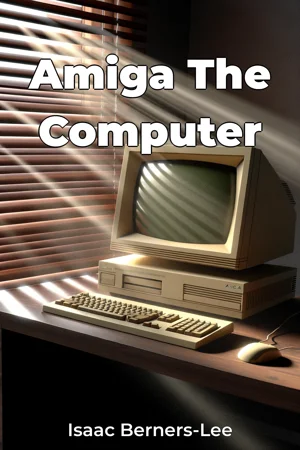
"Amiga The Computer" presents a detailed examination of one of the most influential personal computers of the 1980s and early 1990s, tracing its development, impact, and lasting legacy in computing history. The book offers readers a comprehensive look at how the Amiga revolutionized home computing through its advanced multimedia capabilities and innovative design. The narrative begins by exploring the Amiga's origins at Atari and its subsequent development by Commodore, detailing how its architecture represented a significant leap forward in personal computing technology. The book addresses three core aspects: the technical innovations that set the Amiga apart, its influence on creative industries, and its role in establishing modern multimedia computing standards. Central to the book's argument is the assertion that the Amiga platform introduced numerous technological concepts that were years ahead of their time, including pre-emptive multitasking, a sophisticated graphics architecture, and advanced sound capabilities. These features would later become standard in modern computing systems. The content is structured into three major sections. The first examines the technical architecture, including the custom chipset (Denise, Paula, and Agnus), the Motorola 68000 processor, and the AmigaOS. The second section explores the Amiga's impact on various industries, from video production to gaming. The final section analyzes its influence on modern computing paradigms. Supporting evidence comes from technical documentation, interviews with key developers, and archived materials from Commodore. The book includes detailed technical specifications, development timelines, and case studies of software that showcased the platform's capabilities. The work connects multiple disciplines, linking computer engineering with creative arts and business strategy. It examines how the Amiga's technical capabilities influenced digital art, video production, and early computer animation, while also analyzing the business decisions that ultimately affected its market position. The book maintains an analytical tone, balancing technical detail with accessibility. It's written for technology enthusiasts, computer historians, and professionals interested in the evolution of personal computing, though technical concepts are explained clearly for general readers. Practical applications include insights into system architecture design, operating system development, and user interface principles that remain relevant today. The book addresses ongoing debates about proprietary versus open systems, hardware innovation cycles, and the balance between technical capability and market success. Limitations are clearly defined: while the book covers the entire Amiga family of computers, it focuses primarily on the period from 1985 to 1994, with brief discussions of modern community developments. The work acknowledges but does not extensively cover the broader personal computer market of the era. The book connects to current computing trends by showing how many of the Amiga's innovations presaged modern features in personal computing, from multimedia capabilities to graphical user interfaces. It provides valuable historical context for understanding current technology developments while documenting a crucial chapter in computing history. Throughout, the work maintains objectivity while examining both the technical achievements and commercial challenges that characterized the Amiga's journey, offering readers a balanced perspective on this significant platform's place in computing history.
"Amiga The Computer" presents a detailed examination of one of the most influential personal computers of the 1980s and early 1990s, tracing its development, impact, and lasting legacy in computing history. The book offers readers a comprehensive look at how the Amiga revolutionized home computing through its advanced multimedia capabilities and innovative design. The narrative begins by exploring the Amiga's origins at Atari and its subsequent development by Commodore, detailing how its architecture represented a significant leap forward in personal computing technology. The book addresses three core aspects: the technical innovations that set the Amiga apart, its influence on creative industries, and its role in establishing modern multimedia computing standards. Central to the book's argument is the assertion that the Amiga platform introduced numerous technological concepts that were years ahead of their time, including pre-emptive multitasking, a sophisticated graphics architecture, and advanced sound capabilities. These features would later become standard in modern computing systems. The content is structured into three major sections. The first examines the technical architecture, including the custom chipset (Denise, Paula, and Agnus), the Motorola 68000 processor, and the AmigaOS. The second section explores the Amiga's impact on various industries, from video production to gaming. The final section analyzes its influence on modern computing paradigms. Supporting evidence comes from technical documentation, interviews with key developers, and archived materials from Commodore. The book includes detailed technical specifications, development timelines, and case studies of software that showcased the platform's capabilities. The work connects multiple disciplines, linking computer engineering with creative arts and business strategy. It examines how the Amiga's technical capabilities influenced digital art, video production, and early computer animation, while also analyzing the business decisions that ultimately affected its market position. The book maintains an analytical tone, balancing technical detail with accessibility. It's written for technology enthusiasts, computer historians, and professionals interested in the evolution of personal computing, though technical concepts are explained clearly for general readers. Practical applications include insights into system architecture design, operating system development, and user interface principles that remain relevant today. The book addresses ongoing debates about proprietary versus open systems, hardware innovation cycles, and the balance between technical capability and market success. Limitations are clearly defined: while the book covers the entire Amiga family of computers, it focuses primarily on the period from 1985 to 1994, with brief discussions of modern community developments. The work acknowledges but does not extensively cover the broader personal computer market of the era. The book connects to current computing trends by showing how many of the Amiga's innovations presaged modern features in personal computing, from multimedia capabilities to graphical user interfaces. It provides valuable historical context for understanding current technology developments while documenting a crucial chapter in computing history. Throughout, the work maintains objectivity while examining both the technical achievements and commercial challenges that characterized the Amiga's journey, offering readers a balanced perspective on this significant platform's place in computing history.
"Amiga The Computer" delves into the remarkable story of a revolutionary personal computer that redefined multimedia capabilities in the 1980s and early 1990s. This comprehensive exploration reveals how the Amiga, originally conceived at Atari before being developed by Commodore, introduced groundbreaking features that were years ahead of their time, including pre-emptive multitasking and sophisticated graphics architecture that would later become industry standards. The book methodically examines three crucial aspects of the Amiga's legacy through carefully structured sections. First, it uncovers the technical brilliance behind its custom chipset and innovative AmigaOS. The narrative then shifts to demonstrate how these capabilities transformed creative industries, particularly in video production and gaming. Finally, it connects these historical innovations to modern computing paradigms, showing how many of today's standard features were first pioneered by the Amiga platform. Drawing from technical documentation, developer interviews, and archived materials, the book presents a balanced analysis of both technical achievements and commercial challenges. While maintaining accessibility for general readers, it offers valuable insights into system architecture design and operating system development that remain relevant for today's technology professionals. This thorough examination of the Amiga's influence on personal computing provides essential historical context while documenting how its innovative approach to multimedia computing helped shape our modern digital landscape.
Book Details
ISBN
9788233938307
Publisher
Publifye AS
Your Licenses
You don't own any licenses for this book
Purchase a license below to unlock this book and download the EPUB.
Purchase License
Select a tier to unlock this book
Need bulk licensing?
Contact us for enterprise agreements.