
About This Book
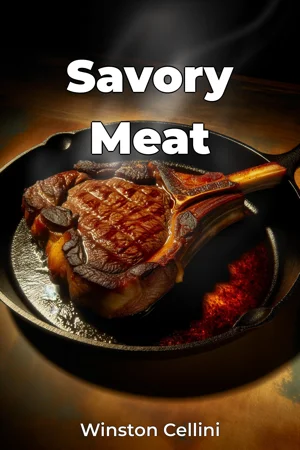
"Savory Meat" investigates the science and artistry behind meat preparation, addressing the fundamental question that challenges both home cooks and professionals: What transforms a cut of meat from ordinary to memorable? The book presents three core principles: temperature management, moisture control, and flavor enhancement. These elements form the foundation for understanding how meat responds to various cooking methods and why certain techniques yield superior results. The text examines how protein structures change during cooking and how this knowledge can be applied to achieve optimal tenderness and flavor. Drawing from culinary traditions spanning centuries and contemporary food science, the book explores the evolution of meat preparation techniques. Readers gain insight into both historical preservation methods and modern precision cooking approaches, supported by research from leading food science institutions and professional kitchens worldwide. The central thesis argues that successful meat preparation relies on understanding and controlling specific variables rather than following rigid recipes. This approach enables cooks to adapt techniques across different cuts and cooking scenarios, promoting flexibility and confidence in the kitchen. The content progresses through three major sections: First, "The Science of Meat," covering protein behavior, fat composition, and muscle structure. Second, "Preparation Techniques," examining methods from dry-aging to sous-vide cooking. Third, "Application and Mastery," providing practical guidelines for different cuts and cooking scenarios. Research evidence includes thermal imaging studies, moisture content analyses, and documented taste trials from professional kitchens. The book incorporates findings from meat science laboratories and culinary institutions, presenting data through clear illustrations and practical examples. The work connects multiple disciplines, including chemistry, food science, and cultural anthropology, demonstrating how these fields contribute to our understanding of meat preparation. This interdisciplinary approach provides readers with a comprehensive framework for understanding both the "why" and "how" of successful meat cookery. The book maintains a methodical, practical tone while remaining accessible to home cooks. Technical concepts are explained through clear analogies and practical examples, making complex information digestible for readers at various skill levels. Target readers include serious home cooks, culinary students, and food service professionals seeking to deepen their understanding of meat preparation. The content serves both as a practical guide and a reference text, suitable for both systematic study and occasional consultation. The scope encompasses domestic meat varieties commonly available to home cooks and restaurants, with intentional focus on practical application rather than exotic or specialty meats. The book addresses current debates in the culinary world, including the merits of various aging techniques and the role of technology in traditional cooking methods. Real-world applications include detailed troubleshooting guides, temperature charts, and adaptation strategies for different cooking environments and equipment types. The text provides specific protocols for various cuts of meat while teaching readers how to adapt these principles to their specific needs and preferences. The book acknowledges ongoing discussions in the field, such as the debate between traditional and modern cooking methods, and presents evidence-based analyses of different approaches. It maintains objectivity while providing readers with the information needed to make informed decisions about their cooking methods.
"Savory Meat" investigates the science and artistry behind meat preparation, addressing the fundamental question that challenges both home cooks and professionals: What transforms a cut of meat from ordinary to memorable? The book presents three core principles: temperature management, moisture control, and flavor enhancement. These elements form the foundation for understanding how meat responds to various cooking methods and why certain techniques yield superior results. The text examines how protein structures change during cooking and how this knowledge can be applied to achieve optimal tenderness and flavor. Drawing from culinary traditions spanning centuries and contemporary food science, the book explores the evolution of meat preparation techniques. Readers gain insight into both historical preservation methods and modern precision cooking approaches, supported by research from leading food science institutions and professional kitchens worldwide. The central thesis argues that successful meat preparation relies on understanding and controlling specific variables rather than following rigid recipes. This approach enables cooks to adapt techniques across different cuts and cooking scenarios, promoting flexibility and confidence in the kitchen. The content progresses through three major sections: First, "The Science of Meat," covering protein behavior, fat composition, and muscle structure. Second, "Preparation Techniques," examining methods from dry-aging to sous-vide cooking. Third, "Application and Mastery," providing practical guidelines for different cuts and cooking scenarios. Research evidence includes thermal imaging studies, moisture content analyses, and documented taste trials from professional kitchens. The book incorporates findings from meat science laboratories and culinary institutions, presenting data through clear illustrations and practical examples. The work connects multiple disciplines, including chemistry, food science, and cultural anthropology, demonstrating how these fields contribute to our understanding of meat preparation. This interdisciplinary approach provides readers with a comprehensive framework for understanding both the "why" and "how" of successful meat cookery. The book maintains a methodical, practical tone while remaining accessible to home cooks. Technical concepts are explained through clear analogies and practical examples, making complex information digestible for readers at various skill levels. Target readers include serious home cooks, culinary students, and food service professionals seeking to deepen their understanding of meat preparation. The content serves both as a practical guide and a reference text, suitable for both systematic study and occasional consultation. The scope encompasses domestic meat varieties commonly available to home cooks and restaurants, with intentional focus on practical application rather than exotic or specialty meats. The book addresses current debates in the culinary world, including the merits of various aging techniques and the role of technology in traditional cooking methods. Real-world applications include detailed troubleshooting guides, temperature charts, and adaptation strategies for different cooking environments and equipment types. The text provides specific protocols for various cuts of meat while teaching readers how to adapt these principles to their specific needs and preferences. The book acknowledges ongoing discussions in the field, such as the debate between traditional and modern cooking methods, and presents evidence-based analyses of different approaches. It maintains objectivity while providing readers with the information needed to make informed decisions about their cooking methods.
"Savory Meat" delves into the fascinating intersection of science and culinary artistry, exploring the fundamental principles that transform ordinary meat into exceptional dishes. At its core, the book focuses on three critical elements: temperature management, moisture control, and flavor enhancement, providing readers with a comprehensive understanding of how meat responds to various cooking methods and why certain techniques yield superior results. The book uniquely bridges the gap between traditional cooking wisdom and modern food science, presenting its content through three progressive sections that build upon each other. Beginning with "The Science of Meat," readers learn about protein behavior and muscle structure, before moving into practical preparation techniques like dry-aging and sous-vide cooking. The final section applies this knowledge to real-world cooking scenarios, empowering both home cooks and professionals to adapt techniques across different cuts and cooking environments. What sets this work apart is its methodical yet accessible approach to complex culinary concepts, supported by research from food science laboratories and professional kitchens worldwide. Rather than merely providing rigid recipes, it emphasizes understanding the underlying principles of meat cookery, enabling readers to make informed decisions in their own kitchens. Through clear analogies and practical examples, the book transforms technical concepts into digestible information, making it an invaluable resource for serious home cooks, culinary students, and food service professionals alike.
Book Details
ISBN
9788233938291
Publisher
Publifye AS
Your Licenses
You don't own any licenses for this book
Purchase a license below to unlock this book and download the EPUB.
Purchase License
Select a tier to unlock this book
Need bulk licensing?
Contact us for enterprise agreements.