
About This Book
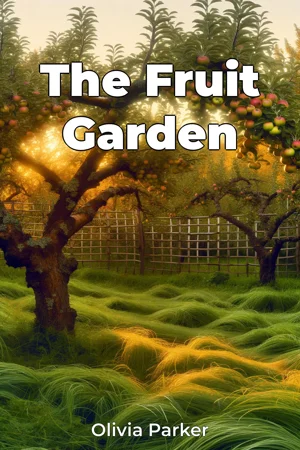
"The Fruit Garden" opens with a fundamental truth: creating a home fruit garden represents one of the most rewarding ways to connect with both food and nature, offering harvests that engage all the senses while providing nutritional and environmental benefits. This comprehensive guide explores three core aspects of home fruit cultivation: site selection and preparation, variety selection and care techniques, and sustainable harvest practices. These elements form the foundation for successful fruit growing, addressing both novice and experienced gardeners' needs. The book builds upon centuries of horticultural knowledge, incorporating modern scientific understanding of soil biology, plant genetics, and climate adaptation. Readers receive essential background in basic botany and soil science, creating a framework for understanding more advanced concepts. Central to the work is the argument that successful fruit growing requires an integrated approach combining traditional wisdom with contemporary sustainable practices. The book demonstrates how this synthesis leads to better outcomes than either approach alone. The content progresses systematically through planning, implementation, and maintenance phases. Early chapters focus on site assessment, soil preparation, and basic infrastructure. Middle sections detail specific fruit types, their requirements, and growth patterns. Later chapters address pest management, pruning techniques, and harvest optimization. Research presented includes studies from agricultural extension services, horticultural institutes, and long-term garden trials. The book incorporates climate data, soil analysis techniques, and documented case studies from successful home fruit gardens across various growing zones. The work connects gardening with environmental science, nutrition, and local food systems. These interdisciplinary links highlight how home fruit production contributes to biodiversity, reduces carbon footprints, and promotes food security. The book distinguishes itself through its practical, zone-specific approach, providing detailed guidance for different climate regions and growing conditions. Rather than offering one-size-fits-all solutions, it emphasizes understanding local conditions and adapting methods accordingly. Written in a clear, instructional style, the text balances technical information with accessible explanations. Step-by-step guides and seasonal checklists complement detailed botanical information and scientific concepts. The primary audience includes home gardeners, small-scale farmers, and sustainable living enthusiasts seeking to establish or improve fruit gardens. The content serves both urban and rural growers, with special attention to space-efficient methods for smaller properties. Following gardening genre conventions, the book includes detailed planting calendars, troubleshooting guides, and maintenance schedules. Extensive diagrams and photographs support textual explanations of key concepts. While focusing primarily on temperate climate fruits, the book acknowledges its limitations regarding tropical species and commercial-scale operations. It maintains focus on varieties and techniques suitable for home garden settings. Practical applications include detailed instructions for soil preparation, grafting techniques, natural pest management, and harvest preservation methods. Each chapter concludes with action items and planning tools. The work addresses ongoing debates in home fruit cultivation, including organic versus conventional methods, heritage versus modern varieties, and climate change adaptation strategies. It presents evidence-based perspectives while acknowledging areas of continuing research. This resource serves as both a reference guide and practical manual, offering readers the knowledge and confidence to establish and maintain productive fruit gardens that enhance both their properties and their lives.
"The Fruit Garden" opens with a fundamental truth: creating a home fruit garden represents one of the most rewarding ways to connect with both food and nature, offering harvests that engage all the senses while providing nutritional and environmental benefits. This comprehensive guide explores three core aspects of home fruit cultivation: site selection and preparation, variety selection and care techniques, and sustainable harvest practices. These elements form the foundation for successful fruit growing, addressing both novice and experienced gardeners' needs. The book builds upon centuries of horticultural knowledge, incorporating modern scientific understanding of soil biology, plant genetics, and climate adaptation. Readers receive essential background in basic botany and soil science, creating a framework for understanding more advanced concepts. Central to the work is the argument that successful fruit growing requires an integrated approach combining traditional wisdom with contemporary sustainable practices. The book demonstrates how this synthesis leads to better outcomes than either approach alone. The content progresses systematically through planning, implementation, and maintenance phases. Early chapters focus on site assessment, soil preparation, and basic infrastructure. Middle sections detail specific fruit types, their requirements, and growth patterns. Later chapters address pest management, pruning techniques, and harvest optimization. Research presented includes studies from agricultural extension services, horticultural institutes, and long-term garden trials. The book incorporates climate data, soil analysis techniques, and documented case studies from successful home fruit gardens across various growing zones. The work connects gardening with environmental science, nutrition, and local food systems. These interdisciplinary links highlight how home fruit production contributes to biodiversity, reduces carbon footprints, and promotes food security. The book distinguishes itself through its practical, zone-specific approach, providing detailed guidance for different climate regions and growing conditions. Rather than offering one-size-fits-all solutions, it emphasizes understanding local conditions and adapting methods accordingly. Written in a clear, instructional style, the text balances technical information with accessible explanations. Step-by-step guides and seasonal checklists complement detailed botanical information and scientific concepts. The primary audience includes home gardeners, small-scale farmers, and sustainable living enthusiasts seeking to establish or improve fruit gardens. The content serves both urban and rural growers, with special attention to space-efficient methods for smaller properties. Following gardening genre conventions, the book includes detailed planting calendars, troubleshooting guides, and maintenance schedules. Extensive diagrams and photographs support textual explanations of key concepts. While focusing primarily on temperate climate fruits, the book acknowledges its limitations regarding tropical species and commercial-scale operations. It maintains focus on varieties and techniques suitable for home garden settings. Practical applications include detailed instructions for soil preparation, grafting techniques, natural pest management, and harvest preservation methods. Each chapter concludes with action items and planning tools. The work addresses ongoing debates in home fruit cultivation, including organic versus conventional methods, heritage versus modern varieties, and climate change adaptation strategies. It presents evidence-based perspectives while acknowledging areas of continuing research. This resource serves as both a reference guide and practical manual, offering readers the knowledge and confidence to establish and maintain productive fruit gardens that enhance both their properties and their lives.
"The Fruit Garden" presents a comprehensive exploration of home fruit cultivation, seamlessly blending traditional horticultural wisdom with modern scientific understanding. This practical guide takes readers on a systematic journey through the essential elements of creating and maintaining a successful fruit garden, from initial site selection to sustainable harvest practices. The book's unique strength lies in its integrated approach, demonstrating how combining time-tested methods with contemporary sustainable practices leads to optimal results. The content progresses logically through three core aspects: foundational planning, specific fruit varieties and their care, and long-term maintenance strategies. Readers begin with crucial lessons in site assessment and soil preparation before diving into detailed chapters about different fruit types and their specific requirements. The book stands out for its zone-specific guidance, acknowledging that successful fruit growing depends heavily on understanding and adapting to local conditions. What makes this guide particularly valuable is its accessibility to both novice and experienced gardeners, complemented by practical tools like seasonal checklists and troubleshooting guides. The integration of sustainable horticulture principles with home cultivation techniques provides readers with a solid framework for creating food-secure and environmentally conscious gardens. Through detailed instructions on everything from pest management to harvest optimization, the book empowers readers to establish thriving fruit gardens that contribute to both personal and environmental well-being.
Book Details
ISBN
9788233938024
Publisher
Publifye AS
Your Licenses
You don't own any licenses for this book
Purchase a license below to unlock this book and download the EPUB.
Purchase License
Select a tier to unlock this book
Need bulk licensing?
Contact us for enterprise agreements.