
About This Book
"People as Flowers" examines the biblical parallel between human life and botanical creation, presenting a theologically grounded analysis of human value and purpose through the lens of floriculture and scripture. The book develops three central themes: the intricate design parallels between human beings and flowers, the theological implications of purposeful creation, and the application of these insights to modern understanding of human worth. Drawing from both horticultural science and biblical exposition, it establishes a framework for understanding human nature through divine design. The work begins by examining the botanical life cycle, comparing it to human development stages while referencing relevant scripture passages. This foundation sets up the book's core argument: that the complexity and beauty observed in flowers serve as a tangible reflection of human design, supporting the biblical assertion of humanity's divine creation. Throughout its chapters, the text explores specific botanical characteristics—growth patterns, reproductive systems, and environmental adaptations—alongside corresponding human attributes. For example, the first section examines how a flower's response to light mirrors human spiritual development, supported by both botanical research and biblical references such as James 1:17. The research methodology combines biblical hermeneutics with botanical science, incorporating peer-reviewed horticultural studies alongside theological scholarship. This interdisciplinary approach connects biblical studies with biology and environmental science, while also touching on aspects of psychology and anthropology. The book provides detailed analysis of relevant Hebrew and Greek terms from original biblical texts, particularly focusing on passages that use floral imagery. This linguistic examination helps readers understand the cultural and historical context of plant-based metaphors in scripture. Written in an academic yet accessible style, the text serves both theological scholars and general readers interested in biblical studies. Each chapter includes practical applications, helping readers apply these concepts to personal spiritual development and community engagement. The work addresses contemporary debates about human origin and purpose, offering a perspective that bridges scientific observation with biblical teaching. It examines how this understanding affects current discussions about human dignity, environmental stewardship, and social responsibility. The target audience includes biblical scholars, pastoral leaders, and individuals seeking deeper understanding of biblical anthropology. The book particularly appeals to those interested in the integration of natural science and biblical truth. Limitations are clearly stated: while the book draws scientific parallels, it primarily serves as a theological and philosophical exploration rather than a purely scientific text. It focuses specifically on floral comparisons rather than broader botanical analogies. The practical applications section guides readers in using these insights for personal growth, pastoral care, and teaching contexts. It includes specific examples of how understanding this human-flower parallel can enhance ministry approaches and personal biblical study. The book concludes by examining implications for contemporary issues such as human dignity, environmental stewardship, and community development. It presents a framework for understanding human value that integrates biblical truth with observable natural phenomena. This work stands out through its systematic integration of botanical science with biblical exegesis, offering readers a unique perspective on human purpose and design. It maintains academic rigor while remaining accessible to non-specialist readers, providing both theoretical insight and practical application.
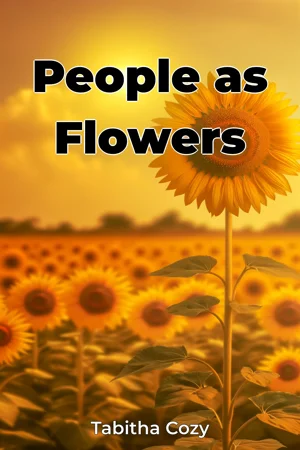
"People as Flowers" examines the biblical parallel between human life and botanical creation, presenting a theologically grounded analysis of human value and purpose through the lens of floriculture and scripture. The book develops three central themes: the intricate design parallels between human beings and flowers, the theological implications of purposeful creation, and the application of these insights to modern understanding of human worth. Drawing from both horticultural science and biblical exposition, it establishes a framework for understanding human nature through divine design. The work begins by examining the botanical life cycle, comparing it to human development stages while referencing relevant scripture passages. This foundation sets up the book's core argument: that the complexity and beauty observed in flowers serve as a tangible reflection of human design, supporting the biblical assertion of humanity's divine creation. Throughout its chapters, the text explores specific botanical characteristics—growth patterns, reproductive systems, and environmental adaptations—alongside corresponding human attributes. For example, the first section examines how a flower's response to light mirrors human spiritual development, supported by both botanical research and biblical references such as James 1:17. The research methodology combines biblical hermeneutics with botanical science, incorporating peer-reviewed horticultural studies alongside theological scholarship. This interdisciplinary approach connects biblical studies with biology and environmental science, while also touching on aspects of psychology and anthropology. The book provides detailed analysis of relevant Hebrew and Greek terms from original biblical texts, particularly focusing on passages that use floral imagery. This linguistic examination helps readers understand the cultural and historical context of plant-based metaphors in scripture. Written in an academic yet accessible style, the text serves both theological scholars and general readers interested in biblical studies. Each chapter includes practical applications, helping readers apply these concepts to personal spiritual development and community engagement. The work addresses contemporary debates about human origin and purpose, offering a perspective that bridges scientific observation with biblical teaching. It examines how this understanding affects current discussions about human dignity, environmental stewardship, and social responsibility. The target audience includes biblical scholars, pastoral leaders, and individuals seeking deeper understanding of biblical anthropology. The book particularly appeals to those interested in the integration of natural science and biblical truth. Limitations are clearly stated: while the book draws scientific parallels, it primarily serves as a theological and philosophical exploration rather than a purely scientific text. It focuses specifically on floral comparisons rather than broader botanical analogies. The practical applications section guides readers in using these insights for personal growth, pastoral care, and teaching contexts. It includes specific examples of how understanding this human-flower parallel can enhance ministry approaches and personal biblical study. The book concludes by examining implications for contemporary issues such as human dignity, environmental stewardship, and community development. It presents a framework for understanding human value that integrates biblical truth with observable natural phenomena. This work stands out through its systematic integration of botanical science with biblical exegesis, offering readers a unique perspective on human purpose and design. It maintains academic rigor while remaining accessible to non-specialist readers, providing both theoretical insight and practical application.
"People as Flowers" offers a fascinating exploration of the profound parallels between human life and botanical creation, weaving together biblical wisdom with horticultural science to illuminate our understanding of human purpose and divine design. The book presents a unique perspective that bridges scientific observation with theological insight, examining how the life cycles, growth patterns, and adaptive capabilities of flowers mirror human development and spiritual growth. Through careful analysis of biblical texts and botanical research, the book progresses from basic structural comparisons to deeper theological implications. A standout example is the examination of how flowers respond to light, which serves as a metaphor for human spiritual development, supported by both scientific evidence and scripture references like James 1:17. The author's interdisciplinary approach combines biblical hermeneutics with botanical science, making complex theological concepts accessible through natural, observable phenomena. The work stands out for its systematic integration of Hebrew and Greek textual analysis alongside contemporary botanical research, offering readers a fresh perspective on biblical anthropology. While maintaining academic rigor, the book remains practical and applicable, providing insights for personal spiritual growth, pastoral care, and teaching contexts. Each chapter builds upon the previous one, ultimately addressing modern questions about human dignity, environmental stewardship, and social responsibility through the lens of this unique flower-human parallel.
Book Details
ISBN
9788233937911
Publisher
Publifye AS
Your Licenses
You don't own any licenses for this book
Purchase a license below to unlock this book and download the EPUB.
Purchase License
Select a tier to unlock this book
Need bulk licensing?
Contact us for enterprise agreements.