
About This Book
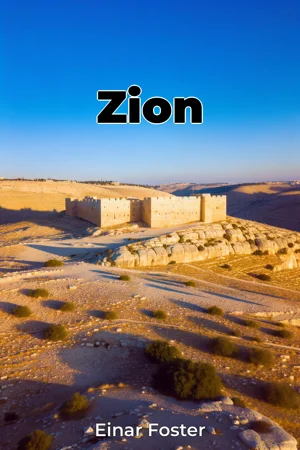
"Zion" explores one of the most significant and multifaceted concepts in biblical literature, examining both its physical manifestation as a geographical location and its profound spiritual symbolism throughout Scripture. The book delves into how this singular term evolved from referring to a Jebusite fortress in Jerusalem to becoming a powerful metaphor for God's dwelling place and His relationship with His people. The work systematically analyzes three core aspects of Zion: its historical development as a physical place, its theological significance in biblical narrative, and its prophetic implications in both Old and New Testament contexts. These interconnected themes reveal how Zion serves as a crucial bridge between earthly and divine realations, making it essential for understanding biblical theology. Beginning with archaeological and historical evidence, the book examines Zion's origins as a stronghold captured by King David, establishing it as his capital and the future site of Solomon's Temple. This physical foundation sets the stage for understanding how Zion transformed from a geographical location into a symbol of divine presence and choosing. The central thesis argues that Zion represents more than a mere location—it embodies a divine concept that progressively unfolds throughout Scripture, revealing God's plan for establishing His kingdom among His people. This understanding is crucial for interpreting both historical and prophetic texts within the Bible. The book's structure follows a chronological and thematic progression: - The historical Zion: Archaeological evidence and biblical accounts - The theological Zion: Symbol of God's presence and covenant - The prophetic Zion: Future hope and ultimate fulfillment Supporting evidence draws from multiple disciplines, including archaeology, ancient Near Eastern studies, biblical languages, and theological scholarship. The work incorporates recent archaeological findings from Jerusalem, linguistic analysis of Hebrew texts, and comparative studies of ancient Near Eastern literature. The study connects to various fields, including: - Ancient Near Eastern history and culture - Biblical archaeology and geography - Systematic theology and eschatology The book maintains an academic approach while remaining accessible to educated lay readers, offering clear explanations of complex concepts without oversimplification. It addresses both conservative and critical scholarship, presenting various interpretative perspectives while maintaining a respectful tone toward different viewpoints. The target audience includes biblical scholars, seminary students, pastors, and serious Bible students seeking a deeper understanding of this crucial biblical concept. The work is particularly valuable for those studying prophetic literature or interested in the relationship between physical locations and spiritual significance in Scripture. The scope encompasses the entire biblical canon, from David's conquest of Jerusalem through New Testament references to the heavenly Zion, while acknowledging limitations in addressing post-biblical developments of the concept. Current debates addressed include: - The relationship between physical and spiritual interpretations of Zion - The role of Zion in current Middle Eastern geopolitics - The connection between historical Zion and eschatological prophecies The book provides practical applications for modern readers, helping them understand how the concept of Zion informs contemporary worship, Christian identity, and the interpretation of prophetic literature. It maintains academic rigor while offering insights relevant to personal faith and biblical interpretation.
"Zion" explores one of the most significant and multifaceted concepts in biblical literature, examining both its physical manifestation as a geographical location and its profound spiritual symbolism throughout Scripture. The book delves into how this singular term evolved from referring to a Jebusite fortress in Jerusalem to becoming a powerful metaphor for God's dwelling place and His relationship with His people. The work systematically analyzes three core aspects of Zion: its historical development as a physical place, its theological significance in biblical narrative, and its prophetic implications in both Old and New Testament contexts. These interconnected themes reveal how Zion serves as a crucial bridge between earthly and divine realations, making it essential for understanding biblical theology. Beginning with archaeological and historical evidence, the book examines Zion's origins as a stronghold captured by King David, establishing it as his capital and the future site of Solomon's Temple. This physical foundation sets the stage for understanding how Zion transformed from a geographical location into a symbol of divine presence and choosing. The central thesis argues that Zion represents more than a mere location—it embodies a divine concept that progressively unfolds throughout Scripture, revealing God's plan for establishing His kingdom among His people. This understanding is crucial for interpreting both historical and prophetic texts within the Bible. The book's structure follows a chronological and thematic progression: - The historical Zion: Archaeological evidence and biblical accounts - The theological Zion: Symbol of God's presence and covenant - The prophetic Zion: Future hope and ultimate fulfillment Supporting evidence draws from multiple disciplines, including archaeology, ancient Near Eastern studies, biblical languages, and theological scholarship. The work incorporates recent archaeological findings from Jerusalem, linguistic analysis of Hebrew texts, and comparative studies of ancient Near Eastern literature. The study connects to various fields, including: - Ancient Near Eastern history and culture - Biblical archaeology and geography - Systematic theology and eschatology The book maintains an academic approach while remaining accessible to educated lay readers, offering clear explanations of complex concepts without oversimplification. It addresses both conservative and critical scholarship, presenting various interpretative perspectives while maintaining a respectful tone toward different viewpoints. The target audience includes biblical scholars, seminary students, pastors, and serious Bible students seeking a deeper understanding of this crucial biblical concept. The work is particularly valuable for those studying prophetic literature or interested in the relationship between physical locations and spiritual significance in Scripture. The scope encompasses the entire biblical canon, from David's conquest of Jerusalem through New Testament references to the heavenly Zion, while acknowledging limitations in addressing post-biblical developments of the concept. Current debates addressed include: - The relationship between physical and spiritual interpretations of Zion - The role of Zion in current Middle Eastern geopolitics - The connection between historical Zion and eschatological prophecies The book provides practical applications for modern readers, helping them understand how the concept of Zion informs contemporary worship, Christian identity, and the interpretation of prophetic literature. It maintains academic rigor while offering insights relevant to personal faith and biblical interpretation.
"Zion" presents a comprehensive exploration of one of the Bible's most significant concepts, tracing its evolution from a physical Jebusite fortress in Jerusalem to a powerful spiritual symbol of God's presence among His people. The book masterfully weaves together archaeological evidence, biblical narrative, and theological interpretation to demonstrate how Zion transcends its geographical origins to become a central metaphor in biblical literature. Through systematic analysis, the work examines three interconnected dimensions: Zion's historical development, its theological significance, and its prophetic implications. The journey begins with King David's capture of the fortress, progressing through its establishment as the site of Solomon's Temple, and ultimately revealing its transformation into a symbol of divine presence. Archaeological findings from Jerusalem and ancient Near Eastern studies provide crucial historical context, while careful examination of biblical texts illuminates the deeper theological meanings. The book stands out for its accessibility to both scholars and serious Bible students, offering clear explanations of complex concepts without sacrificing academic rigor. Its chronological and thematic progression helps readers understand how Zion serves as a bridge between earthly and divine realms, making it an invaluable resource for those studying Biblical archaeology, prophetic literature, and theological concepts. The work's comprehensive approach, incorporating recent archaeological discoveries and linguistic analysis, provides readers with a thorough understanding of how Zion's meaning developed throughout Scripture.
Book Details
ISBN
9788233937881
Publisher
Publifye AS
Your Licenses
You don't own any licenses for this book
Purchase a license below to unlock this book and download the EPUB.
Purchase License
Select a tier to unlock this book
Need bulk licensing?
Contact us for enterprise agreements.