
About This Book
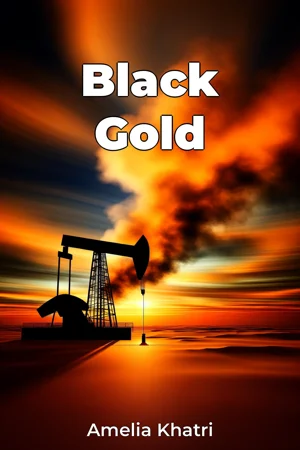
"Black Gold" examines the pivotal role of petroleum in shaping modern civilization, from its geological origins to its influence on global economics and geopolitics. The book traces how this hydrocarbon resource transformed from an obscure substance into the cornerstone of industrial society, creating unprecedented wealth while simultaneously generating complex international tensions. The narrative develops through three primary themes: the scientific understanding of oil formation and extraction, the economic systems that emerged around petroleum production, and the geopolitical implications of oil resource distribution. Through detailed analysis, the book demonstrates how the concentration of oil reserves in specific regions has created both economic powerhouses and zones of conflict. The first section explores the geological processes that created oil deposits, explaining how organic matter transformed over millions of years into the energy-dense fuel that powers modern civilization. This technical foundation helps readers understand why oil exists where it does and the challenges of extraction. Moving into the economic realm, the book analyzes how the oil industry evolved from its early days in Pennsylvania to the formation of major international corporations. It examines the development of OPEC, the oil price shocks of the 1970s, and the modern market mechanisms that determine oil prices. The text utilizes economic data from the World Bank, International Energy Agency, and petroleum industry archives to support its analysis. The geopolitical section maps the distribution of oil reserves across nations and examines how this distribution has influenced international relations. It covers the oil concessions in the Middle East, the nationalization movements of the mid-20th century, and contemporary conflicts over resource control. The book draws from diplomatic archives and international relations scholarship to illustrate these dynamics. Supporting its arguments with extensive research, the work incorporates geological surveys, economic data sets, and diplomatic documents. The interdisciplinary approach connects energy politics with environmental science, international relations, and economic development theory. This allows readers to understand how oil's influence extends beyond mere fuel production to shape global power structures. The book maintains an analytical tone, presenting complex technical and economic concepts in accessible language while avoiding oversimplification. It serves multiple audiences, from energy sector professionals seeking historical context to general readers interested in understanding global affairs through the lens of resource economics. The text acknowledges ongoing debates about peak oil theory, climate change implications, and the transition to renewable energy sources. However, it maintains focus on explaining historical and current realities rather than speculating about future developments. Practical insights emerge for readers in business, policy, and academic fields. The book provides frameworks for understanding oil market dynamics, evaluating geopolitical risks, and assessing energy policy decisions. It examines how different nations have managed their oil resources, offering comparative analyses of successful and failed approaches to resource management. The scope encompasses the period from the first commercial oil well in 1859 through contemporary developments, while acknowledging that the complete history of oil's influence continues to evolve. The book addresses current debates about resource nationalism, energy transition, and the future role of petroleum in the global economy, providing readers with context for understanding these ongoing discussions.
"Black Gold" examines the pivotal role of petroleum in shaping modern civilization, from its geological origins to its influence on global economics and geopolitics. The book traces how this hydrocarbon resource transformed from an obscure substance into the cornerstone of industrial society, creating unprecedented wealth while simultaneously generating complex international tensions. The narrative develops through three primary themes: the scientific understanding of oil formation and extraction, the economic systems that emerged around petroleum production, and the geopolitical implications of oil resource distribution. Through detailed analysis, the book demonstrates how the concentration of oil reserves in specific regions has created both economic powerhouses and zones of conflict. The first section explores the geological processes that created oil deposits, explaining how organic matter transformed over millions of years into the energy-dense fuel that powers modern civilization. This technical foundation helps readers understand why oil exists where it does and the challenges of extraction. Moving into the economic realm, the book analyzes how the oil industry evolved from its early days in Pennsylvania to the formation of major international corporations. It examines the development of OPEC, the oil price shocks of the 1970s, and the modern market mechanisms that determine oil prices. The text utilizes economic data from the World Bank, International Energy Agency, and petroleum industry archives to support its analysis. The geopolitical section maps the distribution of oil reserves across nations and examines how this distribution has influenced international relations. It covers the oil concessions in the Middle East, the nationalization movements of the mid-20th century, and contemporary conflicts over resource control. The book draws from diplomatic archives and international relations scholarship to illustrate these dynamics. Supporting its arguments with extensive research, the work incorporates geological surveys, economic data sets, and diplomatic documents. The interdisciplinary approach connects energy politics with environmental science, international relations, and economic development theory. This allows readers to understand how oil's influence extends beyond mere fuel production to shape global power structures. The book maintains an analytical tone, presenting complex technical and economic concepts in accessible language while avoiding oversimplification. It serves multiple audiences, from energy sector professionals seeking historical context to general readers interested in understanding global affairs through the lens of resource economics. The text acknowledges ongoing debates about peak oil theory, climate change implications, and the transition to renewable energy sources. However, it maintains focus on explaining historical and current realities rather than speculating about future developments. Practical insights emerge for readers in business, policy, and academic fields. The book provides frameworks for understanding oil market dynamics, evaluating geopolitical risks, and assessing energy policy decisions. It examines how different nations have managed their oil resources, offering comparative analyses of successful and failed approaches to resource management. The scope encompasses the period from the first commercial oil well in 1859 through contemporary developments, while acknowledging that the complete history of oil's influence continues to evolve. The book addresses current debates about resource nationalism, energy transition, and the future role of petroleum in the global economy, providing readers with context for understanding these ongoing discussions.
"Black Gold" offers a comprehensive exploration of how petroleum has fundamentally shaped our modern world, examining this influential resource through scientific, economic, and geopolitical lenses. The book masterfully weaves together the story of oil's transformation from an obscure substance into the lifeblood of industrial civilization, demonstrating how its presence—or absence—has created both immense wealth and international conflict throughout history. Beginning with the geological origins of petroleum, the narrative progresses through the evolution of the oil industry, from its humble beginnings in Pennsylvania to the emergence of powerful international corporations and OPEC. The book's analysis of pivotal events, such as the 1970s oil price shocks and various nationalization movements in oil-producing countries, illuminates how petroleum has become inextricably linked with global power dynamics. Using data from authoritative sources like the World Bank and International Energy Agency, the text provides readers with a robust understanding of oil market mechanisms and their far-reaching implications. The book's interdisciplinary approach sets it apart by connecting energy politics with environmental science and economic development theory, making complex concepts accessible to both specialists and general readers. While acknowledging contemporary debates about peak oil and climate change, the focus remains firmly on explaining historical and current realities of the petroleum industry. Through detailed analysis of diplomatic archives and international relations scholarship, readers gain insight into how the geographic distribution of oil reserves continues to shape global relationships and power structures in the modern world.
Book Details
ISBN
9788233937812
Publisher
Publifye AS
Your Licenses
You don't own any licenses for this book
Purchase a license below to unlock this book and download the EPUB.
Purchase License
Select a tier to unlock this book
Need bulk licensing?
Contact us for enterprise agreements.