
About This Book
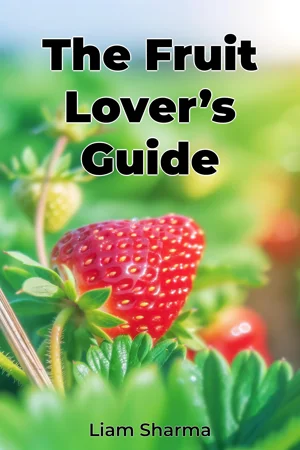
"The Fruit Lover's Guide" begins with a fundamental question: How does the journey of fruit from seed to consumption shape our understanding of global agriculture, nutrition, and sustainability? This comprehensive exploration delves into the intricate world of fruit cultivation, distribution, and consumption, offering readers a detailed look at the systems that bring nature's sweetest bounty to our tables. The book is structured in three major sections: agricultural practices and cultivation techniques, global distribution networks, and nutritional impact. Through careful examination of modern farming methods, traditional growing practices, and emerging sustainable technologies, readers gain insight into how fruits are cultivated across different climates and regions. The text presents research from agricultural scientists, farmers, and food historians, incorporating data from international agricultural organizations and long-term farming studies. Central to the book's thesis is the interconnection between agricultural biodiversity, sustainable farming practices, and global food security. The author demonstrates how understanding fruit production systems is crucial for addressing contemporary challenges in food distribution and environmental conservation. This argument is supported by case studies from six continents, featuring both small-scale organic farms and large commercial operations. The content progresses from fundamental growing principles to complex global systems. Early chapters focus on soil science, plant genetics, and cultivation techniques. Middle sections examine transportation networks, storage technologies, and market dynamics. The final portion addresses nutritional science, cultural significance, and future trends in fruit production. Throughout the text, scientific research is presented alongside practical applications. The book incorporates findings from agricultural journals, nutritional studies, and economic reports, while maintaining an accessible narrative style that bridges academic research and practical knowledge. Readers encounter detailed analyses of soil composition, climate impact on fruit development, and post-harvest handling techniques. The interdisciplinary approach connects agricultural science with economics, anthropology, and environmental studies. These connections illuminate how fruit production influences and is influenced by climate change, international trade policies, and cultural practices. The book provides specific, actionable information for various readers, from home gardeners to agricultural professionals. The writing maintains a balanced, informative tone, avoiding technical jargon while preserving scientific accuracy. This approach makes complex agricultural and botanical concepts accessible to general readers while providing sufficient depth for those with professional interest. The text is enriched with detailed illustrations, charts, and photographs that clarify technical concepts. The book serves multiple audiences: home gardeners seeking deeper understanding of fruit cultivation, food industry professionals requiring comprehensive knowledge of supply chains, and academics studying agricultural systems. Each chapter includes practical applications, from small-scale growing techniques to large-scale distribution solutions. Current debates in sustainable agriculture, genetic modification, and organic farming practices are addressed objectively, presenting various viewpoints with supporting evidence. The book acknowledges ongoing discussions about traditional versus modern farming methods, examining the merits and challenges of each approach. The scope encompasses both common and exotic fruits, focusing on commercially significant species while including information about rare and heritage varieties. Rather than attempting to cover every fruit variety, the book emphasizes understanding fundamental principles and systems that apply across species and regions. Through this comprehensive examination, "The Fruit Lover's Guide" provides readers with both theoretical knowledge and practical tools for understanding and participating in the complex world of fruit production and distribution.
"The Fruit Lover's Guide" begins with a fundamental question: How does the journey of fruit from seed to consumption shape our understanding of global agriculture, nutrition, and sustainability? This comprehensive exploration delves into the intricate world of fruit cultivation, distribution, and consumption, offering readers a detailed look at the systems that bring nature's sweetest bounty to our tables. The book is structured in three major sections: agricultural practices and cultivation techniques, global distribution networks, and nutritional impact. Through careful examination of modern farming methods, traditional growing practices, and emerging sustainable technologies, readers gain insight into how fruits are cultivated across different climates and regions. The text presents research from agricultural scientists, farmers, and food historians, incorporating data from international agricultural organizations and long-term farming studies. Central to the book's thesis is the interconnection between agricultural biodiversity, sustainable farming practices, and global food security. The author demonstrates how understanding fruit production systems is crucial for addressing contemporary challenges in food distribution and environmental conservation. This argument is supported by case studies from six continents, featuring both small-scale organic farms and large commercial operations. The content progresses from fundamental growing principles to complex global systems. Early chapters focus on soil science, plant genetics, and cultivation techniques. Middle sections examine transportation networks, storage technologies, and market dynamics. The final portion addresses nutritional science, cultural significance, and future trends in fruit production. Throughout the text, scientific research is presented alongside practical applications. The book incorporates findings from agricultural journals, nutritional studies, and economic reports, while maintaining an accessible narrative style that bridges academic research and practical knowledge. Readers encounter detailed analyses of soil composition, climate impact on fruit development, and post-harvest handling techniques. The interdisciplinary approach connects agricultural science with economics, anthropology, and environmental studies. These connections illuminate how fruit production influences and is influenced by climate change, international trade policies, and cultural practices. The book provides specific, actionable information for various readers, from home gardeners to agricultural professionals. The writing maintains a balanced, informative tone, avoiding technical jargon while preserving scientific accuracy. This approach makes complex agricultural and botanical concepts accessible to general readers while providing sufficient depth for those with professional interest. The text is enriched with detailed illustrations, charts, and photographs that clarify technical concepts. The book serves multiple audiences: home gardeners seeking deeper understanding of fruit cultivation, food industry professionals requiring comprehensive knowledge of supply chains, and academics studying agricultural systems. Each chapter includes practical applications, from small-scale growing techniques to large-scale distribution solutions. Current debates in sustainable agriculture, genetic modification, and organic farming practices are addressed objectively, presenting various viewpoints with supporting evidence. The book acknowledges ongoing discussions about traditional versus modern farming methods, examining the merits and challenges of each approach. The scope encompasses both common and exotic fruits, focusing on commercially significant species while including information about rare and heritage varieties. Rather than attempting to cover every fruit variety, the book emphasizes understanding fundamental principles and systems that apply across species and regions. Through this comprehensive examination, "The Fruit Lover's Guide" provides readers with both theoretical knowledge and practical tools for understanding and participating in the complex world of fruit production and distribution.
The Fruit Lover's Guide presents a comprehensive journey through the world of fruit, from cultivation to consumption, examining how these natural foods connect to larger issues of global agriculture, sustainability, and nutrition. The Fruit Lover's Guide uniquely bridges the gap between scientific research and practical knowledge, offering insights into both traditional farming methods and modern agricultural technologies while maintaining accessibility for diverse readers. The text progresses systematically through three main sections, beginning with agricultural practices and cultivation techniques, moving through global distribution networks, and concluding with nutritional impacts. Drawing from case studies across six continents, it reveals fascinating insights into how soil composition affects fruit development and how climate variations influence growing patterns. The author skillfully weaves together findings from agricultural scientists, farmers, and food historians to present a complete picture of modern fruit production and distribution systems. This methodically organized work stands out for its interdisciplinary approach, connecting agricultural science with economics, anthropology, and environmental studies. Whether exploring sustainable farming practices, examining global food security challenges, or discussing agricultural biodiversity, the book maintains a balanced perspective that serves multiple audiences - from home gardeners to food industry professionals. Each chapter builds upon the previous one, incorporating practical applications while addressing current debates in sustainable agriculture and organic farming with objective, evidence-based analysis.
Book Details
ISBN
9788233937737
Publisher
Publifye AS
Your Licenses
You don't own any licenses for this book
Purchase a license below to unlock this book and download the EPUB.
Purchase License
Select a tier to unlock this book
Need bulk licensing?
Contact us for enterprise agreements.