
About This Book
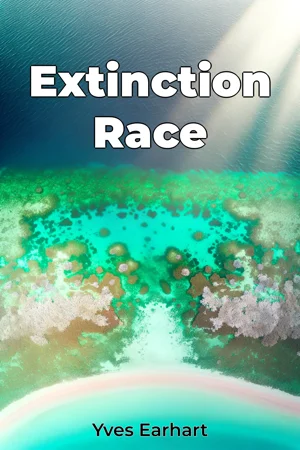
"Extinction Race" examines the critical state of global biodiversity loss, documenting the accelerating decline of numerous species and analyzing the complex factors driving their potential extinction. The book presents comprehensive research on endangered species across terrestrial, marine, and aerial ecosystems, revealing how human activities and climate change create an unprecedented threat to global biodiversity. The work focuses on three primary areas: rapidly diminishing megafauna populations, the collapse of crucial insect species, and the deterioration of marine ecosystems. Through detailed case studies, the book demonstrates how the loss of apex predators, pollinating insects, and coral reefs creates cascading effects throughout entire ecosystems, potentially leading to irreversible environmental changes. Drawing from extensive field research and data collected over three decades, the author presents evidence from multiple scientific disciplines, including biology, climatology, and environmental science. The book utilizes satellite tracking data, population surveys, and genetic studies to illustrate the current state of species decline and project future trajectories based on various conservation scenarios. The central argument maintains that current extinction rates are 100 to 1,000 times higher than natural background rates, presenting an urgent need for immediate, coordinated global action. The author systematically explores how habitat destruction, pollution, invasive species, and climate change interconnect to create compound threats to vulnerable species. The content is structured in three main sections: First, it establishes the historical context of extinction events and current crisis metrics. Second, it examines specific cases of endangered species across different habitats and regions. Third, it presents actionable conservation strategies and policy recommendations based on successful intervention programs. The book connects conservation biology with economics, public policy, and social justice, demonstrating how species preservation relates to human welfare, food security, and ecosystem services. It includes analysis of indigenous knowledge systems and their role in species protection, bridging traditional ecological knowledge with modern conservation science. The writing maintains an academic foundation while remaining accessible to informed general readers. Technical concepts are clearly explained through real-world examples and detailed illustrations. The target audience includes conservation professionals, policy makers, environmental students, and engaged citizens concerned about biodiversity loss. The research draws from multiple sources, including long-term field studies, satellite data, DNA analysis, and international conservation databases. It presents both established scientific consensus and emerging research, particularly in areas of rapid climate change impacts and species adaptation. Practical applications include detailed frameworks for habitat preservation, species recovery programs, and community-based conservation initiatives. The book provides specific guidelines for various stakeholders, from government agencies to local communities, on implementing effective conservation measures. Current debates addressed include the effectiveness of different conservation approaches, the role of de-extinction technology, and competing priorities between economic development and species protection. The work maintains objectivity while presenting evidence-based arguments for various conservation strategies. The scope encompasses both well-known endangered species and lesser-known organisms critical to ecosystem function, though it acknowledges that many species may become extinct before being discovered or studied. The book concludes with a robust discussion of potential solutions, emphasizing the importance of immediate action while maintaining scientific rigor in its analysis and recommendations.
"Extinction Race" examines the critical state of global biodiversity loss, documenting the accelerating decline of numerous species and analyzing the complex factors driving their potential extinction. The book presents comprehensive research on endangered species across terrestrial, marine, and aerial ecosystems, revealing how human activities and climate change create an unprecedented threat to global biodiversity. The work focuses on three primary areas: rapidly diminishing megafauna populations, the collapse of crucial insect species, and the deterioration of marine ecosystems. Through detailed case studies, the book demonstrates how the loss of apex predators, pollinating insects, and coral reefs creates cascading effects throughout entire ecosystems, potentially leading to irreversible environmental changes. Drawing from extensive field research and data collected over three decades, the author presents evidence from multiple scientific disciplines, including biology, climatology, and environmental science. The book utilizes satellite tracking data, population surveys, and genetic studies to illustrate the current state of species decline and project future trajectories based on various conservation scenarios. The central argument maintains that current extinction rates are 100 to 1,000 times higher than natural background rates, presenting an urgent need for immediate, coordinated global action. The author systematically explores how habitat destruction, pollution, invasive species, and climate change interconnect to create compound threats to vulnerable species. The content is structured in three main sections: First, it establishes the historical context of extinction events and current crisis metrics. Second, it examines specific cases of endangered species across different habitats and regions. Third, it presents actionable conservation strategies and policy recommendations based on successful intervention programs. The book connects conservation biology with economics, public policy, and social justice, demonstrating how species preservation relates to human welfare, food security, and ecosystem services. It includes analysis of indigenous knowledge systems and their role in species protection, bridging traditional ecological knowledge with modern conservation science. The writing maintains an academic foundation while remaining accessible to informed general readers. Technical concepts are clearly explained through real-world examples and detailed illustrations. The target audience includes conservation professionals, policy makers, environmental students, and engaged citizens concerned about biodiversity loss. The research draws from multiple sources, including long-term field studies, satellite data, DNA analysis, and international conservation databases. It presents both established scientific consensus and emerging research, particularly in areas of rapid climate change impacts and species adaptation. Practical applications include detailed frameworks for habitat preservation, species recovery programs, and community-based conservation initiatives. The book provides specific guidelines for various stakeholders, from government agencies to local communities, on implementing effective conservation measures. Current debates addressed include the effectiveness of different conservation approaches, the role of de-extinction technology, and competing priorities between economic development and species protection. The work maintains objectivity while presenting evidence-based arguments for various conservation strategies. The scope encompasses both well-known endangered species and lesser-known organisms critical to ecosystem function, though it acknowledges that many species may become extinct before being discovered or studied. The book concludes with a robust discussion of potential solutions, emphasizing the importance of immediate action while maintaining scientific rigor in its analysis and recommendations.
"Extinction Race" presents an urgent examination of the global biodiversity crisis, revealing how species are vanishing at rates 100 to 1,000 times faster than natural background levels. Drawing from three decades of scientific research, the book masterfully weaves together evidence from multiple disciplines to document the accelerating decline of life across terrestrial, marine, and aerial ecosystems. Through comprehensive case studies, it specifically highlights the alarming deterioration of three critical groups: megafauna, insect populations, and marine ecosystems, demonstrating how their decline creates devastating ripple effects throughout the natural world. The book progresses methodically through three main sections, beginning with historical context and current crisis metrics, moving to detailed examinations of endangered species across various habitats, and concluding with practical conservation strategies. What sets this work apart is its holistic approach, connecting conservation biology with economics, public policy, and social justice while incorporating both modern scientific methods and traditional ecological knowledge. The author effectively bridges complex scientific concepts with accessible explanations, making it valuable for both conservation professionals and concerned citizens. Using a combination of satellite tracking data, population surveys, and genetic studies, the book presents compelling evidence of how habitat destruction, pollution, invasive species, and climate change work together to threaten global biodiversity. It offers detailed frameworks for conservation initiatives while acknowledging current debates about different preservation approaches, including de-extinction technology and the balance between economic development and species protection. Throughout, the focus remains on practical, actionable solutions that can be implemented at various levels, from local communities to international organizations.
Book Details
ISBN
9788233937539
Publisher
Publifye AS
Your Licenses
You don't own any licenses for this book
Purchase a license below to unlock this book and download the EPUB.
Purchase License
Select a tier to unlock this book
Need bulk licensing?
Contact us for enterprise agreements.