
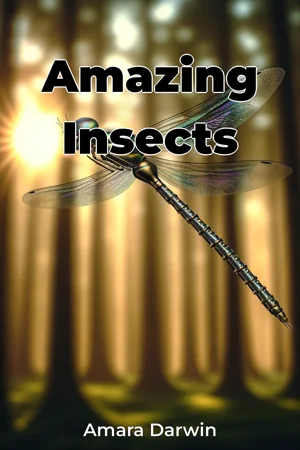
About This Book
"Amazing Insects" examines how scientific discoveries from studying insects have transformed our understanding of biology and influenced technological innovation. Through microscopic observation to large-scale behavioral studies, this comprehensive exploration reveals the profound impact of insect research on multiple scientific disciplines. The book presents three core areas of insight: biomechanics and flight dynamics, social organization and communication systems, and adaptive capabilities. These fundamental topics demonstrate how insects have developed solutions to complex problems that humans are only beginning to understand. From the aerodynamic principles of dragonfly flight to the sophisticated chemical communication networks of ant colonies, each chapter builds upon established research while introducing cutting-edge discoveries. The historical context begins with early microscopic studies in the 17th century and progresses through major breakthroughs in understanding insect biology, behavior, and evolution. Readers receive essential background in basic entomology while exploring how modern research techniques have revealed increasingly complex aspects of insect life. Central to the book's thesis is the argument that insects represent a crucial model for understanding biological systems and developing bio-inspired technologies. The text systematically demonstrates how studying insects has led to advances in fields including robotics, materials science, and social network theory. The content is structured in three main sections: First, an examination of physical adaptations and biomechanical systems; second, an analysis of social structures and communication methods; and third, an exploration of survival strategies and environmental adaptation. Each section integrates current research data, historical studies, and practical applications. Supporting evidence comes from peer-reviewed research, laboratory studies, and field observations, featuring work from leading institutions worldwide. The book includes detailed case studies, such as the development of new adhesive technologies based on beetle feet and drone designs inspired by bee navigation systems. Interdisciplinary connections link entomology to engineering, computer science, and materials science. The text explains how principles observed in insect behavior inform artificial intelligence algorithms and how insect exoskeletons inspire new protective materials. The book's unique approach lies in its integration of multiple scientific disciplines, presenting insects as a lens through which to understand broader biological principles and their practical applications. The writing maintains an academic foundation while remaining accessible to educated general readers. Written for scientists, engineers, and informed enthusiasts, the book serves both as a comprehensive reference and an inspiration for innovation. It particularly appeals to researchers and students in biology, engineering, and related fields seeking cross-disciplinary insights. The scope encompasses both fundamental research and practical applications, though it focuses primarily on species and studies with direct relevance to human innovation and understanding. While addressing current debates in the field, such as the role of insect decline in ecosystem stability, the book maintains an objective, evidence-based perspective. Real-world applications discussed include improvements in drone technology, development of new materials and adhesives, and advances in swarm robotics. The book also addresses ongoing challenges in conservation and the potential loss of undiscovered biological innovations due to species extinction. This work represents a synthesis of current knowledge while pointing toward future research directions, maintaining scientific rigor while highlighting the practical significance of entomological research in solving modern technological challenges.
"Amazing Insects" examines how scientific discoveries from studying insects have transformed our understanding of biology and influenced technological innovation. Through microscopic observation to large-scale behavioral studies, this comprehensive exploration reveals the profound impact of insect research on multiple scientific disciplines. The book presents three core areas of insight: biomechanics and flight dynamics, social organization and communication systems, and adaptive capabilities. These fundamental topics demonstrate how insects have developed solutions to complex problems that humans are only beginning to understand. From the aerodynamic principles of dragonfly flight to the sophisticated chemical communication networks of ant colonies, each chapter builds upon established research while introducing cutting-edge discoveries. The historical context begins with early microscopic studies in the 17th century and progresses through major breakthroughs in understanding insect biology, behavior, and evolution. Readers receive essential background in basic entomology while exploring how modern research techniques have revealed increasingly complex aspects of insect life. Central to the book's thesis is the argument that insects represent a crucial model for understanding biological systems and developing bio-inspired technologies. The text systematically demonstrates how studying insects has led to advances in fields including robotics, materials science, and social network theory. The content is structured in three main sections: First, an examination of physical adaptations and biomechanical systems; second, an analysis of social structures and communication methods; and third, an exploration of survival strategies and environmental adaptation. Each section integrates current research data, historical studies, and practical applications. Supporting evidence comes from peer-reviewed research, laboratory studies, and field observations, featuring work from leading institutions worldwide. The book includes detailed case studies, such as the development of new adhesive technologies based on beetle feet and drone designs inspired by bee navigation systems. Interdisciplinary connections link entomology to engineering, computer science, and materials science. The text explains how principles observed in insect behavior inform artificial intelligence algorithms and how insect exoskeletons inspire new protective materials. The book's unique approach lies in its integration of multiple scientific disciplines, presenting insects as a lens through which to understand broader biological principles and their practical applications. The writing maintains an academic foundation while remaining accessible to educated general readers. Written for scientists, engineers, and informed enthusiasts, the book serves both as a comprehensive reference and an inspiration for innovation. It particularly appeals to researchers and students in biology, engineering, and related fields seeking cross-disciplinary insights. The scope encompasses both fundamental research and practical applications, though it focuses primarily on species and studies with direct relevance to human innovation and understanding. While addressing current debates in the field, such as the role of insect decline in ecosystem stability, the book maintains an objective, evidence-based perspective. Real-world applications discussed include improvements in drone technology, development of new materials and adhesives, and advances in swarm robotics. The book also addresses ongoing challenges in conservation and the potential loss of undiscovered biological innovations due to species extinction. This work represents a synthesis of current knowledge while pointing toward future research directions, maintaining scientific rigor while highlighting the practical significance of entomological research in solving modern technological challenges.
"Amazing Insects" offers a fascinating journey through the intricate world of entomology, revealing how these remarkable creatures have revolutionized our understanding of biological systems and inspired technological breakthroughs. The book masterfully weaves together three core areas: the marvels of insect biomechanics and flight, the complexity of their social structures, and their extraordinary adaptive capabilities. From the aerodynamic prowess of dragonflies to the sophisticated chemical communication networks of ant colonies, each chapter builds upon centuries of scientific discovery while introducing cutting-edge research. The narrative progresses chronologically from early microscopic studies of the 17th century to modern breakthroughs in bio-inspired technology, demonstrating how insights from insect research have sparked innovations in diverse fields such as robotics, materials science, and artificial intelligence. Through detailed case studies, readers discover how beetle feet have influenced adhesive technology development and how bee navigation systems are revolutionizing drone design. This interdisciplinary approach brings together entomology, engineering, and computer science, making complex concepts accessible to both scientists and educated enthusiasts. By examining insects as models for understanding broader biological principles, the book illuminates their crucial role in scientific innovation while maintaining an evidence-based perspective on current challenges, including species conservation and ecosystem stability. The text systematically demonstrates how studying these remarkable creatures continues to unlock solutions for modern technological challenges, making it an invaluable resource for researchers, students, and anyone fascinated by the intersection of nature and innovation.
Book Details
ISBN
9788233937416
Publisher
Publifye AS
Your Licenses
You don't own any licenses for this book
Purchase a license below to unlock this book and download the EPUB.
Purchase License
Select a tier to unlock this book
Need bulk licensing?
Contact us for enterprise agreements.