
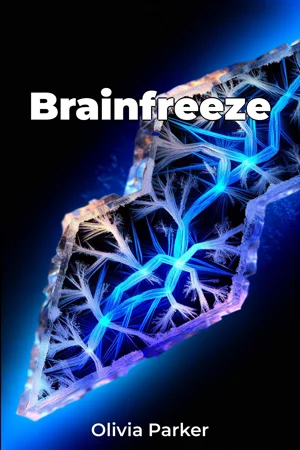
About This Book
"Brainfreeze" explores the physiological and psychological phenomena of cold-induced brain reactions, from the common ice cream headache to the therapeutic applications of cold exposure on cognitive function. This comprehensive examination delves into both the involuntary neural responses to cold stimuli and the intentional use of cold for mental enhancement. The book addresses two primary areas: the neurological mechanisms behind cold-induced brain responses and the practical applications of cold exposure for cognitive optimization. These topics intersect at the crucial junction of neuroscience and daily life, offering readers insight into both unwanted cold-related neural reactions and beneficial cold therapy techniques. Building on decades of neuroscientific research and recent advances in cold therapy, the text presents evidence from clinical studies, sports medicine research, and cognitive performance data. The scientific foundation includes detailed explanations of trigeminal nerve responses, vasoconstriction patterns, and temperature-related neural adaptations. The book's central thesis posits that understanding cold's effects on the brain enables both the prevention of uncomfortable reactions and the strategic use of cold exposure for mental enhancement. This argument is developed through three main sections: Section one examines the physiological basis of brain freeze, including detailed neural pathway mapping and trigger point identification. Readers learn about the vagus nerve's role, blood vessel behavior, and pain signal processing during cold exposure. Section two explores cold's cognitive impacts, from temporary discomfort to potential benefits for mental clarity and focus. This includes research on cold water immersion, cryotherapy, and dietary cold exposure effects on brain function. Section three provides practical protocols for both avoiding unwanted cold reactions and implementing beneficial cold exposure techniques. These evidence-based strategies range from simple dietary adjustments to structured cold training programs. The work draws from multiple disciplines, including neurology, sports science, and nutritional biology, while incorporating findings from thermal regulation studies and pain management research. This interdisciplinary approach provides a comprehensive understanding of cold-brain interactions. Written in a clear, methodical style, the text balances technical accuracy with accessibility, using case studies and practical examples to illustrate complex concepts. While maintaining scientific rigor, the content remains engaging and applicable to daily life. The target audience includes health professionals, athletes, and individuals interested in optimizing their cognitive function or understanding common cold-related neural phenomena. The book serves both as a practical guide and an academic resource, offering value to casual readers and specialists alike. Research evidence includes thermal imaging studies, neural response measurements, and longitudinal studies on cold adaptation. The book references both established research and recent findings from leading institutions in neuroscience and sports medicine. Practical applications range from simple techniques for preventing ice cream headaches to structured protocols for cold exposure training. Readers receive actionable strategies for implementing cold therapy safely and effectively while understanding when to avoid cold exposure. The book acknowledges ongoing debates in the field, particularly regarding optimal cold exposure duration and frequency for cognitive benefits. It presents multiple viewpoints while maintaining focus on established scientific consensus. Throughout its pages, "Brainfreeze" maintains a careful balance between scientific depth and practical utility, offering readers a thorough understanding of cold's effects on the brain while providing applicable solutions for both avoiding and utilizing these effects.
"Brainfreeze" explores the physiological and psychological phenomena of cold-induced brain reactions, from the common ice cream headache to the therapeutic applications of cold exposure on cognitive function. This comprehensive examination delves into both the involuntary neural responses to cold stimuli and the intentional use of cold for mental enhancement. The book addresses two primary areas: the neurological mechanisms behind cold-induced brain responses and the practical applications of cold exposure for cognitive optimization. These topics intersect at the crucial junction of neuroscience and daily life, offering readers insight into both unwanted cold-related neural reactions and beneficial cold therapy techniques. Building on decades of neuroscientific research and recent advances in cold therapy, the text presents evidence from clinical studies, sports medicine research, and cognitive performance data. The scientific foundation includes detailed explanations of trigeminal nerve responses, vasoconstriction patterns, and temperature-related neural adaptations. The book's central thesis posits that understanding cold's effects on the brain enables both the prevention of uncomfortable reactions and the strategic use of cold exposure for mental enhancement. This argument is developed through three main sections: Section one examines the physiological basis of brain freeze, including detailed neural pathway mapping and trigger point identification. Readers learn about the vagus nerve's role, blood vessel behavior, and pain signal processing during cold exposure. Section two explores cold's cognitive impacts, from temporary discomfort to potential benefits for mental clarity and focus. This includes research on cold water immersion, cryotherapy, and dietary cold exposure effects on brain function. Section three provides practical protocols for both avoiding unwanted cold reactions and implementing beneficial cold exposure techniques. These evidence-based strategies range from simple dietary adjustments to structured cold training programs. The work draws from multiple disciplines, including neurology, sports science, and nutritional biology, while incorporating findings from thermal regulation studies and pain management research. This interdisciplinary approach provides a comprehensive understanding of cold-brain interactions. Written in a clear, methodical style, the text balances technical accuracy with accessibility, using case studies and practical examples to illustrate complex concepts. While maintaining scientific rigor, the content remains engaging and applicable to daily life. The target audience includes health professionals, athletes, and individuals interested in optimizing their cognitive function or understanding common cold-related neural phenomena. The book serves both as a practical guide and an academic resource, offering value to casual readers and specialists alike. Research evidence includes thermal imaging studies, neural response measurements, and longitudinal studies on cold adaptation. The book references both established research and recent findings from leading institutions in neuroscience and sports medicine. Practical applications range from simple techniques for preventing ice cream headaches to structured protocols for cold exposure training. Readers receive actionable strategies for implementing cold therapy safely and effectively while understanding when to avoid cold exposure. The book acknowledges ongoing debates in the field, particularly regarding optimal cold exposure duration and frequency for cognitive benefits. It presents multiple viewpoints while maintaining focus on established scientific consensus. Throughout its pages, "Brainfreeze" maintains a careful balance between scientific depth and practical utility, offering readers a thorough understanding of cold's effects on the brain while providing applicable solutions for both avoiding and utilizing these effects.
"Brainfreeze" offers a fascinating exploration of how cold exposure affects our brain, from the familiar sensation of ice cream headaches to the emerging benefits of cold therapy for mental enhancement. The book bridges the gap between complex neuroscience and practical applications, providing readers with a comprehensive understanding of how our neural systems respond to and adapt to cold stimuli. Through careful examination of trigeminal nerve responses, blood vessel behavior, and temperature-related neural adaptations, the text reveals the intricate mechanisms behind cold-induced brain reactions. The book progresses logically through three main sections, beginning with the physiological foundations of brain freeze and cold response, moving into the cognitive impacts of cold exposure, and concluding with practical protocols for both preventing unwanted reactions and harnessing cold's potential benefits. Notable insights include the role of the vagus nerve in cold response, the relationship between vasoconstriction and cognitive function, and evidence-based strategies for cold adaptation. These concepts are presented through an accessible blend of scientific research and real-world applications. What sets this work apart is its balanced approach to cold therapy, acknowledging both its challenges and potential benefits while providing actionable strategies for readers. The book draws from multiple disciplines, including neurology, sports science, and nutritional biology, making it valuable for both health professionals and curious individuals interested in understanding and optimizing their cognitive function through temperature regulation. Whether seeking to prevent brain freeze or explore the cognitive enhancement potential of cold exposure, readers will find practical, scientifically-grounded guidance throughout the text.
Book Details
ISBN
9788233937355
Publisher
Publifye AS
Your Licenses
You don't own any licenses for this book
Purchase a license below to unlock this book and download the EPUB.
Purchase License
Select a tier to unlock this book
Need bulk licensing?
Contact us for enterprise agreements.