
About This Book
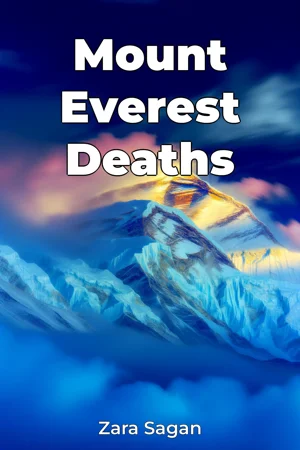
"Mount Everest Deaths" examines the complex relationship between Earth's highest peak and the human cost of attempting to reach its summit. The book opens with a stark statistic: one in every thirty-eight climbers who attempt to scale Mount Everest never returns, making the death rate a critical aspect of mountaineering discourse. The narrative explores three primary themes: the historical progression of fatalities on Everest since the first recorded death in 1922, the environmental and physiological factors contributing to climbing deaths, and the ethical implications of managing deceased climbers on the mountain. These interconnected topics form the foundation for understanding both the allure and dangers of high-altitude mountaineering. Drawing from extensive research, including historical records, autopsy reports, survivor accounts, and climbing databases, the book presents a comprehensive analysis of death patterns on Everest. The research incorporates meteorological data, medical studies on high-altitude physiology, and documented rescue attempts to build a complete picture of the risks climbers face. The central argument posits that while technical improvements in climbing gear and weather forecasting have made Everest more accessible, this accessibility has paradoxically led to increased fatalities due to overcrowding and inexperienced climbers attempting the ascent. The book maintains a factual approach, utilizing case studies and statistical analysis to support this position. Structured in four main sections, the content progresses from historical context to modern challenges. The first section chronicles the evolution of climbing deaths from early expeditions through the commercial climbing era. The second examines the physical and environmental factors contributing to fatalities, including altitude sickness, weather conditions, and equipment failures. The third section addresses the practical and ethical challenges of managing bodies on the mountain, while the fourth explores current safety protocols and future implications for high-altitude mountaineering. The book connects multiple disciplines, including environmental science, human physiology, meteorology, and ethics. This interdisciplinary approach provides readers with a comprehensive understanding of the complexities surrounding Everest fatalities. The research draws from climbing permits, rescue operation records, and interviews with surviving climbers and expedition leaders. Written in a documentary style that balances technical information with accessible narrative, the book maintains objectivity while addressing controversial topics such as the commercialization of Everest expeditions and the responsibilities of climbing companies toward their clients. The target audience includes mountaineering enthusiasts, adventure sports participants, and readers interested in human performance under extreme conditions. The book serves as both a cautionary resource for prospective climbers and an analytical tool for understanding risk management in high-altitude environments. The scope encompasses deaths from the first recorded fatality through present day, focusing primarily on deaths during climbing attempts rather than accidents during scientific expeditions or military operations. The book addresses current debates regarding climbing permits, overcrowding on popular routes, and the balance between access and safety. Practical applications include risk assessment guidelines for potential climbers, analysis of decision-making under extreme conditions, and protocols for high-altitude emergency response. The work concludes with recommendations for improving safety standards and managing the increasing numbers of climbers attempting to reach the summit.
"Mount Everest Deaths" examines the complex relationship between Earth's highest peak and the human cost of attempting to reach its summit. The book opens with a stark statistic: one in every thirty-eight climbers who attempt to scale Mount Everest never returns, making the death rate a critical aspect of mountaineering discourse. The narrative explores three primary themes: the historical progression of fatalities on Everest since the first recorded death in 1922, the environmental and physiological factors contributing to climbing deaths, and the ethical implications of managing deceased climbers on the mountain. These interconnected topics form the foundation for understanding both the allure and dangers of high-altitude mountaineering. Drawing from extensive research, including historical records, autopsy reports, survivor accounts, and climbing databases, the book presents a comprehensive analysis of death patterns on Everest. The research incorporates meteorological data, medical studies on high-altitude physiology, and documented rescue attempts to build a complete picture of the risks climbers face. The central argument posits that while technical improvements in climbing gear and weather forecasting have made Everest more accessible, this accessibility has paradoxically led to increased fatalities due to overcrowding and inexperienced climbers attempting the ascent. The book maintains a factual approach, utilizing case studies and statistical analysis to support this position. Structured in four main sections, the content progresses from historical context to modern challenges. The first section chronicles the evolution of climbing deaths from early expeditions through the commercial climbing era. The second examines the physical and environmental factors contributing to fatalities, including altitude sickness, weather conditions, and equipment failures. The third section addresses the practical and ethical challenges of managing bodies on the mountain, while the fourth explores current safety protocols and future implications for high-altitude mountaineering. The book connects multiple disciplines, including environmental science, human physiology, meteorology, and ethics. This interdisciplinary approach provides readers with a comprehensive understanding of the complexities surrounding Everest fatalities. The research draws from climbing permits, rescue operation records, and interviews with surviving climbers and expedition leaders. Written in a documentary style that balances technical information with accessible narrative, the book maintains objectivity while addressing controversial topics such as the commercialization of Everest expeditions and the responsibilities of climbing companies toward their clients. The target audience includes mountaineering enthusiasts, adventure sports participants, and readers interested in human performance under extreme conditions. The book serves as both a cautionary resource for prospective climbers and an analytical tool for understanding risk management in high-altitude environments. The scope encompasses deaths from the first recorded fatality through present day, focusing primarily on deaths during climbing attempts rather than accidents during scientific expeditions or military operations. The book addresses current debates regarding climbing permits, overcrowding on popular routes, and the balance between access and safety. Practical applications include risk assessment guidelines for potential climbers, analysis of decision-making under extreme conditions, and protocols for high-altitude emergency response. The work concludes with recommendations for improving safety standards and managing the increasing numbers of climbers attempting to reach the summit.
"Mount Everest Deaths" delves into the sobering reality of mountaineering fatalities on Earth's highest peak, where one in thirty-eight climbers never returns from their summit attempt. This comprehensive exploration weaves together historical data, scientific research, and ethical considerations to present a thorough examination of the human cost associated with climbing Everest. Through careful analysis of climbing databases, autopsy reports, and survivor accounts, the book reveals how modern accessibility has paradoxically increased fatalities despite technological advances. The narrative unfolds across four distinct sections, beginning with a historical chronicle of climbing deaths since 1922 and progressing through the complex environmental and physiological challenges faced by mountaineers. Readers gain insight into how altitude sickness, severe weather conditions, and equipment failures contribute to the mountain's deadly statistics. The book also tackles controversial aspects of high-altitude climbing, including the ethical implications of managing deceased climbers and the impact of commercial expeditions on safety. Drawing from multiple disciplines, including environmental science, human physiology, and meteorology, the book maintains an objective, documentary-style approach while remaining accessible to both mountaineering enthusiasts and general readers interested in extreme environments. It serves as both a cautionary resource and an analytical tool, offering practical risk assessment guidelines while examining the delicate balance between increasing accessibility and maintaining safety standards on the world's most formidable peak.
Book Details
ISBN
9788233937218
Publisher
Publifye AS
Your Licenses
You don't own any licenses for this book
Purchase a license below to unlock this book and download the EPUB.
Purchase License
Select a tier to unlock this book
Need bulk licensing?
Contact us for enterprise agreements.