
About This Book
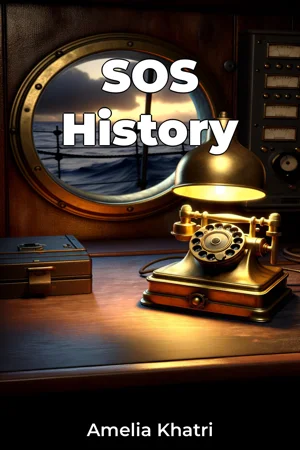
"SOS History" explores one of the most significant distress signals in human communication history, tracing its evolution from Morse code to its modern applications across maritime, aviation, and digital platforms. The book examines how three simple letters became a universal cry for help that transcends language barriers and technological changes. The work presents three main topics: the technical development of the SOS signal, its cultural impact across different societies, and its role in major historical events. The signal's origin in 1905 as an official maritime distress call marked the beginning of standardized emergency communications, though the book clarifies that contrary to popular belief, SOS does not stand for "Save Our Souls" or "Save Our Ship." Through meticulous research drawing from maritime records, military archives, and international telecommunications documents, the book reconstructs the signal's journey from its adoption by the German government to its international ratification at the Berlin Radiotelegraphic Conference in 1906. Notable incidents, including the Titanic disaster of 1912, demonstrate the signal's critical role in maritime history, though the book notes that the Titanic initially used CQD rather than SOS. The text is organized into three sections: the technical evolution of emergency signaling systems, documented rescue operations where SOS played a pivotal role, and the signal's adaptation to modern communication systems. Each section integrates primary sources, including ship logs, survivor accounts, and official telecommunications protocols. The book connects multiple disciplines, linking telecommunications engineering with maritime law and international diplomacy. It examines how the standardization of distress signals influenced global cooperation in emergency response systems and shaped international maritime law. Written in a methodical, documentary style, the work maintains academic rigor while remaining accessible to general readers interested in communications history, maritime affairs, or emergency response systems. The author employs clear technical explanations without requiring advanced knowledge of radio communications or Morse code. The target audience includes maritime historians, communications professionals, and readers interested in the development of international cooperation systems. The book serves as both a historical reference and a demonstration of how standardized communication protocols evolve to meet changing technological demands. Practical applications discussed include modern adaptations of the SOS concept in satellite-based emergency systems, mobile phone emergency protocols, and digital distress beacons. The book addresses current debates about the relevance of traditional distress signals in an age of automated emergency systems and GPS technology. The work's scope encompasses the period from early maritime communication systems to present-day digital emergency protocols, focusing primarily on international maritime and aviation applications. It acknowledges regional variations in emergency signaling systems while maintaining focus on the global standard that SOS represents. The research draws from multiple sources, including maritime archives from various nations, international conference proceedings, and technical documentation from telecommunications authorities. This comprehensive approach provides readers with a thorough understanding of how a simple signal became a cornerstone of international emergency communications. The book maintains objectivity when discussing competing emergency signal systems and the political considerations that influenced their adoption or rejection. It presents evidence-based accounts of both successful and failed rescue operations, analyzing the role of standardized distress signals in each case.
"SOS History" explores one of the most significant distress signals in human communication history, tracing its evolution from Morse code to its modern applications across maritime, aviation, and digital platforms. The book examines how three simple letters became a universal cry for help that transcends language barriers and technological changes. The work presents three main topics: the technical development of the SOS signal, its cultural impact across different societies, and its role in major historical events. The signal's origin in 1905 as an official maritime distress call marked the beginning of standardized emergency communications, though the book clarifies that contrary to popular belief, SOS does not stand for "Save Our Souls" or "Save Our Ship." Through meticulous research drawing from maritime records, military archives, and international telecommunications documents, the book reconstructs the signal's journey from its adoption by the German government to its international ratification at the Berlin Radiotelegraphic Conference in 1906. Notable incidents, including the Titanic disaster of 1912, demonstrate the signal's critical role in maritime history, though the book notes that the Titanic initially used CQD rather than SOS. The text is organized into three sections: the technical evolution of emergency signaling systems, documented rescue operations where SOS played a pivotal role, and the signal's adaptation to modern communication systems. Each section integrates primary sources, including ship logs, survivor accounts, and official telecommunications protocols. The book connects multiple disciplines, linking telecommunications engineering with maritime law and international diplomacy. It examines how the standardization of distress signals influenced global cooperation in emergency response systems and shaped international maritime law. Written in a methodical, documentary style, the work maintains academic rigor while remaining accessible to general readers interested in communications history, maritime affairs, or emergency response systems. The author employs clear technical explanations without requiring advanced knowledge of radio communications or Morse code. The target audience includes maritime historians, communications professionals, and readers interested in the development of international cooperation systems. The book serves as both a historical reference and a demonstration of how standardized communication protocols evolve to meet changing technological demands. Practical applications discussed include modern adaptations of the SOS concept in satellite-based emergency systems, mobile phone emergency protocols, and digital distress beacons. The book addresses current debates about the relevance of traditional distress signals in an age of automated emergency systems and GPS technology. The work's scope encompasses the period from early maritime communication systems to present-day digital emergency protocols, focusing primarily on international maritime and aviation applications. It acknowledges regional variations in emergency signaling systems while maintaining focus on the global standard that SOS represents. The research draws from multiple sources, including maritime archives from various nations, international conference proceedings, and technical documentation from telecommunications authorities. This comprehensive approach provides readers with a thorough understanding of how a simple signal became a cornerstone of international emergency communications. The book maintains objectivity when discussing competing emergency signal systems and the political considerations that influenced their adoption or rejection. It presents evidence-based accounts of both successful and failed rescue operations, analyzing the role of standardized distress signals in each case.
"SOS History" delves into the fascinating evolution of one of humanity's most recognized distress signals, revealing how three simple letters became a universal cry for help. This comprehensive exploration traces the signal's journey from its 1905 origins as a maritime distress call through its adoption across aviation and modern digital platforms, debunking common myths like the belief that SOS stands for "Save Our Souls." The book masterfully weaves together three core narratives: the technical development of emergency signaling, the signal's profound cultural impact, and its crucial role in historic events like the Titanic disaster. Drawing from maritime records, military archives, and telecommunications documents, it presents a meticulous account of how international cooperation and standardized communication protocols emerged through the implementation of SOS. Particularly compelling is the examination of how this standardization influenced global emergency response systems and shaped maritime law. Progressing through three well-structured sections, the book moves from the technical evolution of emergency signals to documented rescue operations and finally to modern adaptations in satellite-based systems and digital beacons. This approach makes complex technical concepts accessible to general readers while maintaining scholarly rigor, offering valuable insights for both maritime historians and communications professionals. The author's careful analysis of both successful and failed rescue operations provides a balanced perspective on the signal's historical significance and its continuing relevance in today's digital age.
Book Details
ISBN
9788233937195
Publisher
Publifye AS
Your Licenses
You don't own any licenses for this book
Purchase a license below to unlock this book and download the EPUB.
Purchase License
Select a tier to unlock this book
Need bulk licensing?
Contact us for enterprise agreements.