
About This Book
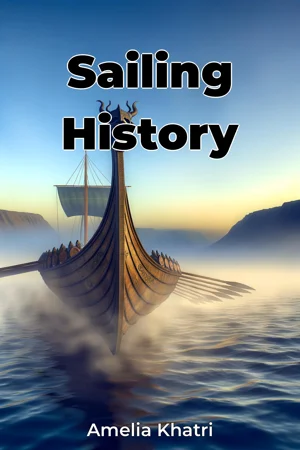
"Sailing History" examines the profound impact of maritime navigation on human civilization, tracing the development of sailing from primitive rafts to modern racing yachts. The book presents a comprehensive analysis of how sailing has shaped trade, exploration, and technological advancement across millennia. The work is structured chronologically, beginning with early Polynesian and Mediterranean seafaring cultures, demonstrating how different civilizations independently developed sailing techniques. Through detailed research, including archaeological findings, historical documents, and maritime records, the book illustrates the parallel evolution of sailing technologies across various societies. Three primary themes emerge throughout the narrative: the technical evolution of sailing vessels and navigation methods, the role of sailing in global economic development, and the transformation of sailing from necessity to sport. The book extensively covers the critical developments in sail design, from square-rigged vessels to the introduction of fore-and-aft rigs, explaining how each innovation improved sailing capabilities. The research draws from naval architectural records, shipping manuscripts, and archaeological studies of preserved vessels. Notable attention is given to the Viking longships, Chinese junk ships, and European carracks, analyzing how each design reflected and served its cultural context. The book incorporates recent findings from marine archaeology, including discoveries from underwater excavations that have revealed previously unknown aspects of historical sailing practices. The transformation of sailing into a competitive sport receives thorough examination, documenting the establishment of organized racing in the 17th century through to modern Olympic sailing. The book explores how technological advancements in materials science and hydrodynamics have influenced contemporary sailing vessel design. Interdisciplinary connections are established with meteorology, explaining how understanding weather patterns revolutionized navigation, and with economics, demonstrating sailing's role in establishing global trade networks. The text maintains an academic tone while remaining accessible to general readers interested in maritime history or sailing. The target audience includes maritime historians, sailing enthusiasts, and readers interested in technological development. The book addresses ongoing debates about the origins of specific sailing technologies and the accuracy of historical navigation methods, presenting multiple viewpoints with supporting evidence. Practical applications include detailed explanations of historical navigation techniques, allowing readers to understand how ancient mariners determined position and direction. The book also provides context for modern sailing practices, helping readers appreciate the historical basis of current techniques. The scope encompasses global sailing traditions, though it acknowledges limitations in historical records from certain regions. The work deliberately focuses on developments that had lasting impacts on maritime technology and culture, rather than attempting to document every regional variation. The book connects sailing history to contemporary issues, including the resurgence of wind-powered commercial shipping and the application of historical sailing knowledge to modern sustainable transportation solutions. It examines how traditional sailing wisdom continues to influence modern maritime practices, from commercial shipping to recreational boating.
"Sailing History" examines the profound impact of maritime navigation on human civilization, tracing the development of sailing from primitive rafts to modern racing yachts. The book presents a comprehensive analysis of how sailing has shaped trade, exploration, and technological advancement across millennia. The work is structured chronologically, beginning with early Polynesian and Mediterranean seafaring cultures, demonstrating how different civilizations independently developed sailing techniques. Through detailed research, including archaeological findings, historical documents, and maritime records, the book illustrates the parallel evolution of sailing technologies across various societies. Three primary themes emerge throughout the narrative: the technical evolution of sailing vessels and navigation methods, the role of sailing in global economic development, and the transformation of sailing from necessity to sport. The book extensively covers the critical developments in sail design, from square-rigged vessels to the introduction of fore-and-aft rigs, explaining how each innovation improved sailing capabilities. The research draws from naval architectural records, shipping manuscripts, and archaeological studies of preserved vessels. Notable attention is given to the Viking longships, Chinese junk ships, and European carracks, analyzing how each design reflected and served its cultural context. The book incorporates recent findings from marine archaeology, including discoveries from underwater excavations that have revealed previously unknown aspects of historical sailing practices. The transformation of sailing into a competitive sport receives thorough examination, documenting the establishment of organized racing in the 17th century through to modern Olympic sailing. The book explores how technological advancements in materials science and hydrodynamics have influenced contemporary sailing vessel design. Interdisciplinary connections are established with meteorology, explaining how understanding weather patterns revolutionized navigation, and with economics, demonstrating sailing's role in establishing global trade networks. The text maintains an academic tone while remaining accessible to general readers interested in maritime history or sailing. The target audience includes maritime historians, sailing enthusiasts, and readers interested in technological development. The book addresses ongoing debates about the origins of specific sailing technologies and the accuracy of historical navigation methods, presenting multiple viewpoints with supporting evidence. Practical applications include detailed explanations of historical navigation techniques, allowing readers to understand how ancient mariners determined position and direction. The book also provides context for modern sailing practices, helping readers appreciate the historical basis of current techniques. The scope encompasses global sailing traditions, though it acknowledges limitations in historical records from certain regions. The work deliberately focuses on developments that had lasting impacts on maritime technology and culture, rather than attempting to document every regional variation. The book connects sailing history to contemporary issues, including the resurgence of wind-powered commercial shipping and the application of historical sailing knowledge to modern sustainable transportation solutions. It examines how traditional sailing wisdom continues to influence modern maritime practices, from commercial shipping to recreational boating.
"Sailing History" presents a fascinating journey through humanity's relationship with maritime navigation, exploring how sailing evolved from basic rafts to sophisticated racing vessels while profoundly shaping global civilization. The book masterfully weaves together three crucial narratives: the technical evolution of sailing vessels, sailing's role in economic development, and its transformation from a survival necessity to a competitive sport. Through meticulous research incorporating archaeological findings, historical documents, and maritime records, readers gain unprecedented insights into how different cultures independently developed their sailing technologies. The chronological progression takes readers from ancient Polynesian and Mediterranean seafaring cultures through the age of Viking longships and Chinese junks, to modern Olympic sailing competitions. Particularly intriguing are the detailed examinations of how various vessel designs reflected their cultural contexts and how weather pattern understanding revolutionized navigation methods. The book's exploration of underwater archaeological discoveries reveals previously unknown aspects of historical sailing practices, adding fresh perspective to our understanding of maritime history. Drawing from naval architectural records and shipping manuscripts, the work skillfully bridges the gap between academic research and practical application, making complex concepts accessible to both maritime historians and sailing enthusiasts. The book's unique value lies in its comprehensive approach to connecting past and present, demonstrating how ancient sailing wisdom continues to influence modern maritime practices, from competitive sailing to sustainable transportation solutions. This thorough examination of sailing's evolution provides readers with a deep appreciation for how maritime technology has shaped our world.
Book Details
ISBN
9788233937188
Publisher
Publifye AS
Your Licenses
You don't own any licenses for this book
Purchase a license below to unlock this book and download the EPUB.
Purchase License
Select a tier to unlock this book
Need bulk licensing?
Contact us for enterprise agreements.